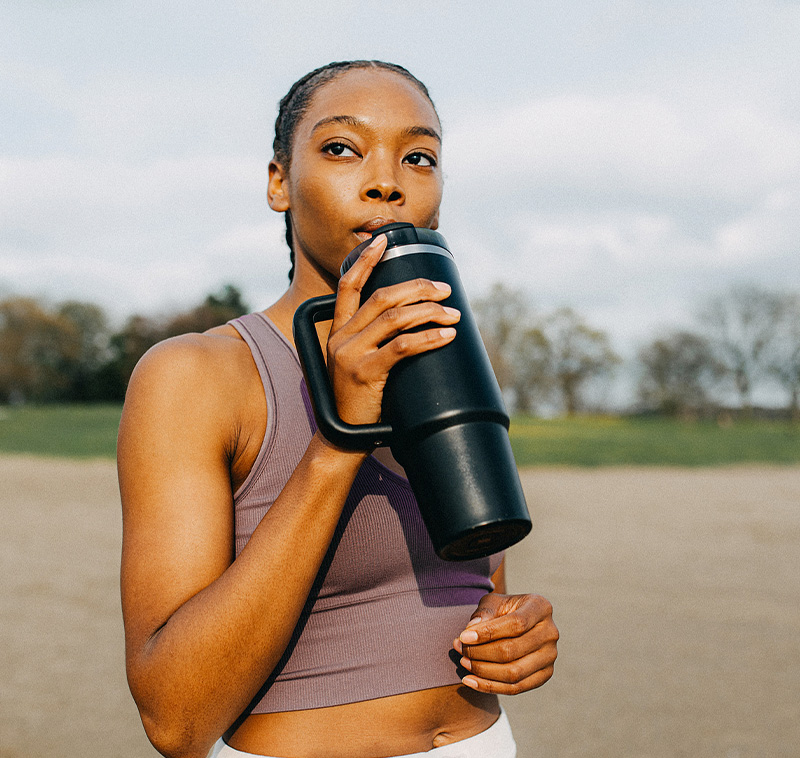
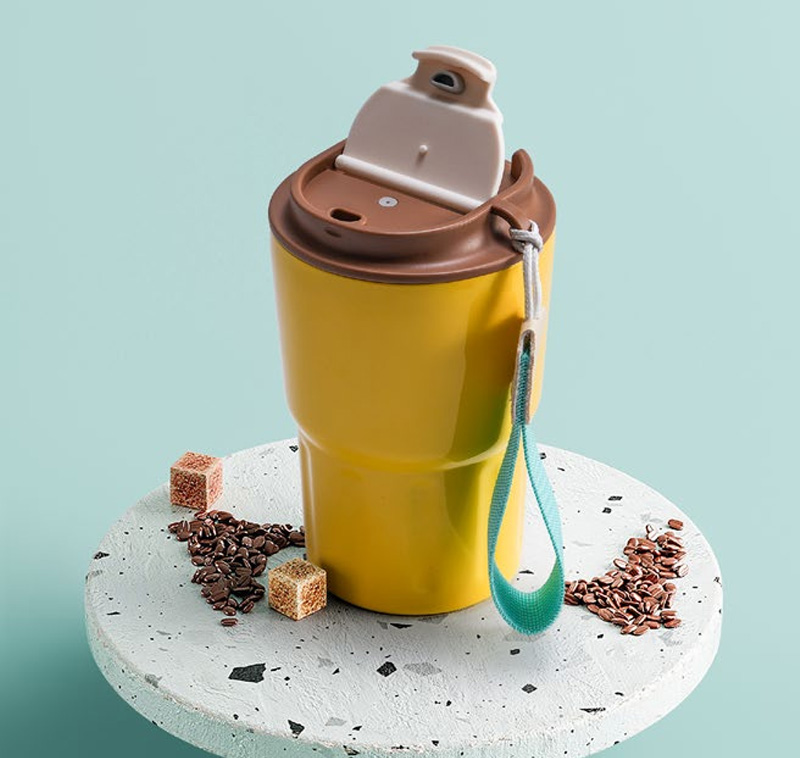
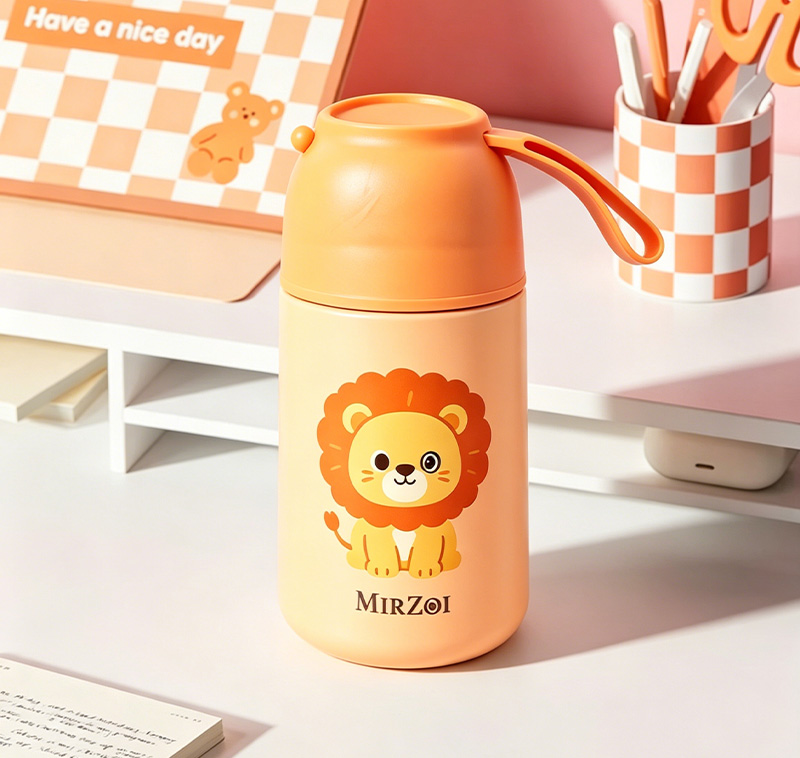
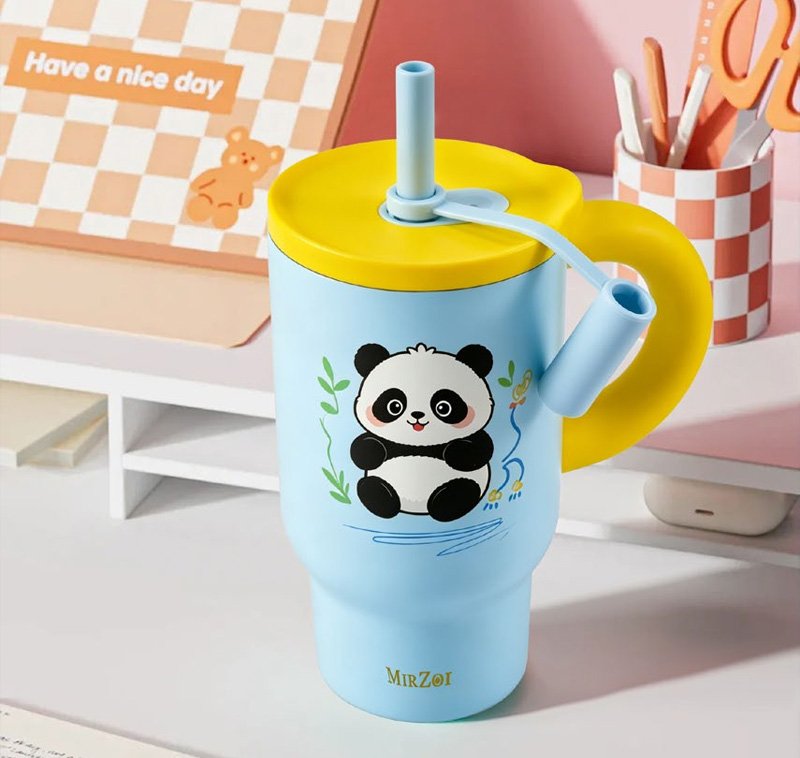
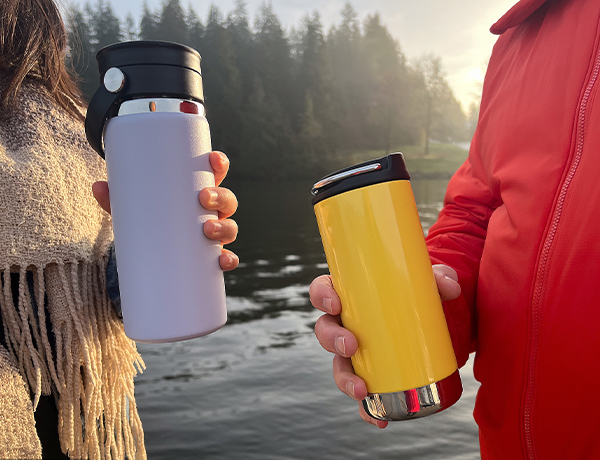
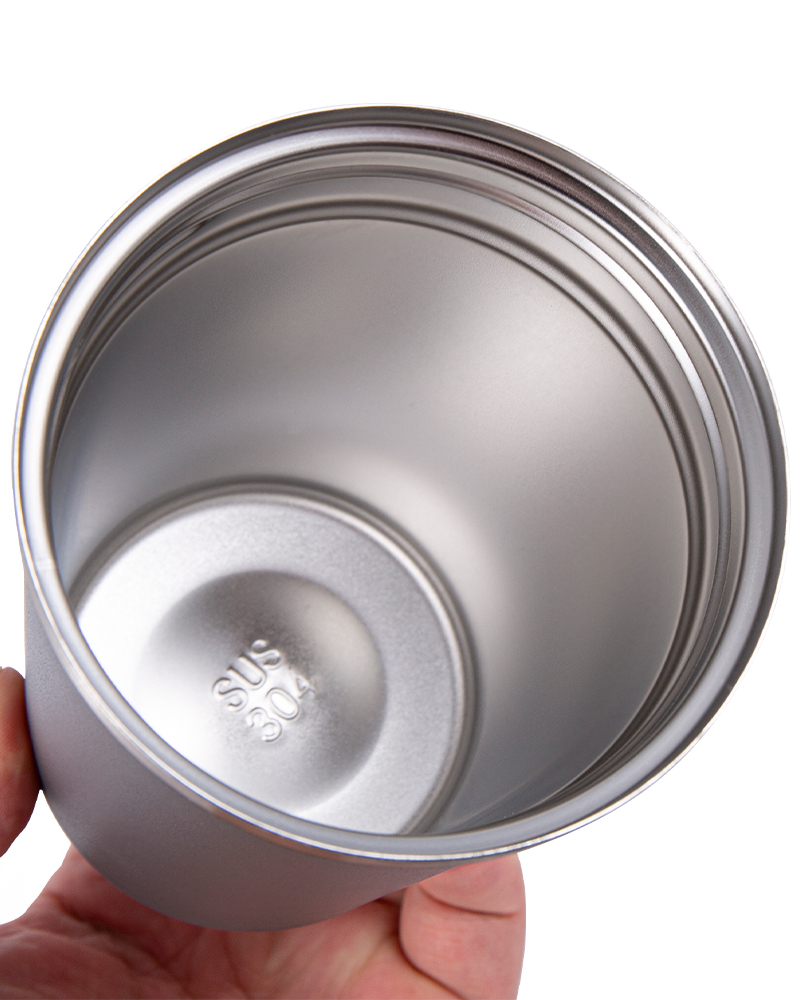
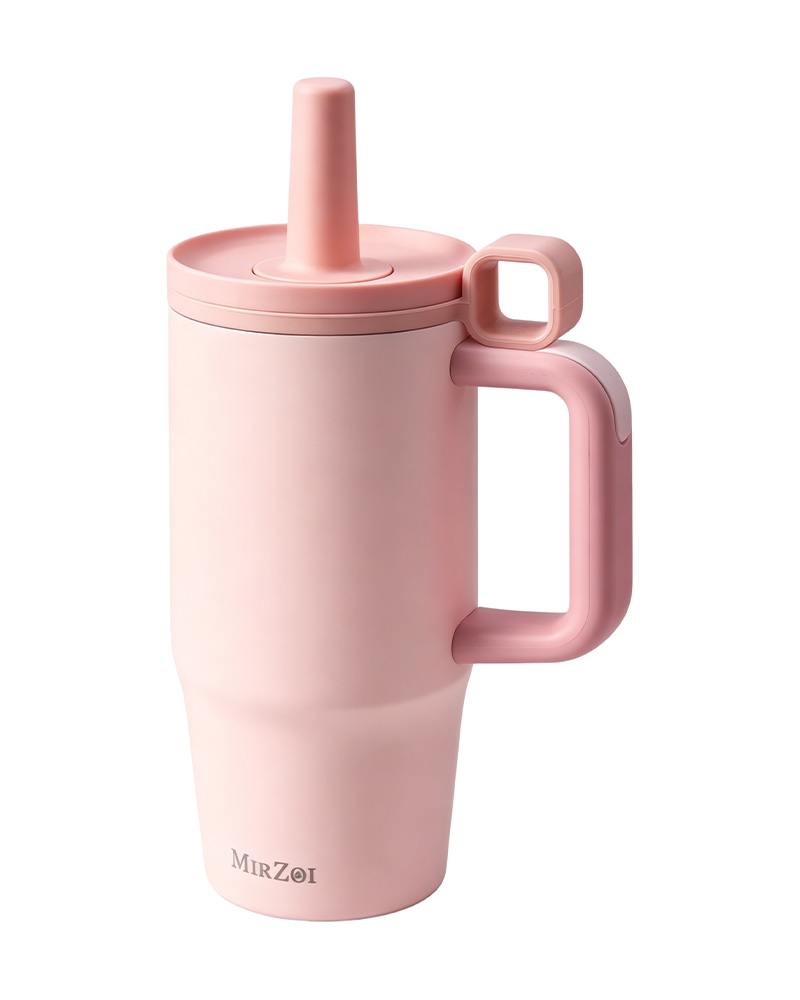
A handled travel mug may look well proportioned in a product photograph while leaving an important usability question unanswered: where does the drinking opening finish when the lid is correctly secured? Car mug lid alignment should be reviewed with the handle, seal and actual lid version together. The position of one component cannot establish how the complete assembly will be used.
For importers and private-label buyers, the useful approval reference is a repeatable check on the ordered combination. It should describe the mug's normal use and the intended drinking orientation without implying that every lid rotates, every handle is reversible or every model provides a leakproof closure.
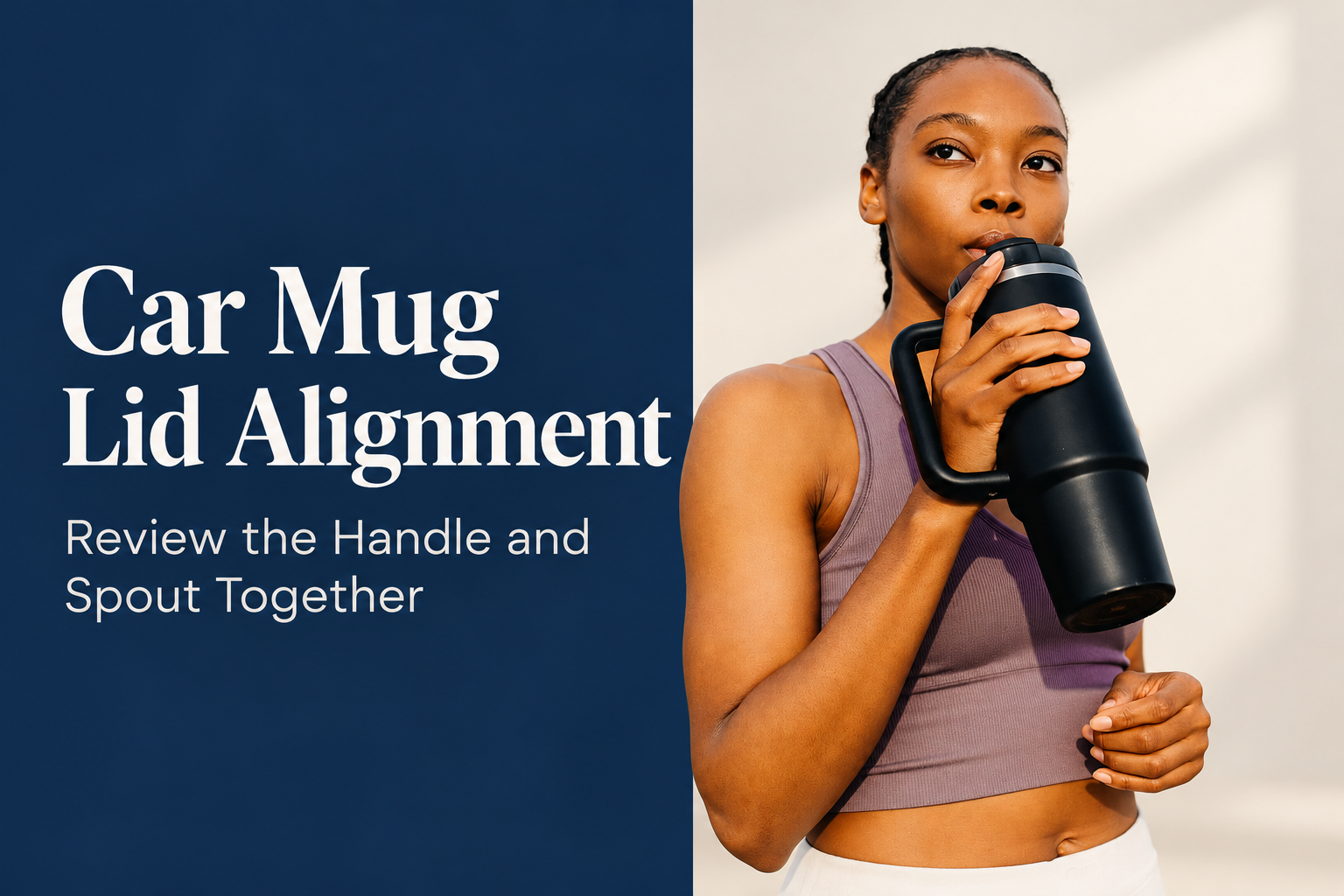
Observe the mug as a complete assembly
Identify the actual lid and body combination
Start with the stainless steel car mug range and identify the body and lid offered for the order. Record the model, capacity reference, handle design and lid version. If several lids are pictured, ask which one is included in the quoted unit.
Photographs may show a slider, straw opening, cover or drinking spout, but appearance alone does not establish its function or compatibility. Request the supplier's operating description. A lid that fits another mug in the range should not be treated as interchangeable without written confirmation.
Keep sample and production references connected. If the supplier changes a gasket or lid component, ask whether the change affects fit, closure position or operation. A colour update may be straightforward, but a component revision requires a separate compatibility review.
Define travel mug drinking position in normal use
Travel mug drinking position depends on the relationship between the handle and the drinking opening. Explain how the intended user is expected to hold the mug and which drinking arrangement is being evaluated. Avoid a vague request for a comfortable lid without a reference position.
Use a labelled top-view photograph of the correctly closed sample. Mark the handle direction and drinking opening, and describe whether the check covers direct drinking, a straw configuration or both where offered. Evaluate only the modes the manufacturer approves for that model.
Consider users who hold the mug in different hands, but do not assume the same orientation will suit every individual. The procurement task is to document the intended arrangement and identify limitations before retail copy and packaging illustrations are approved.
Check alignment only after correct closure
A lid should reach its evaluated position through the manufacturer's normal closing procedure. A photograph taken with the lid partly engaged can create a misleading impression of alignment. Establish how the seal should be seated and how the user recognises the correct closed condition.
Do not loosen a lid simply to make the opening face a preferred direction. Likewise, avoid forcing a threaded lid beyond its intended position. If the properly secured sample does not match the proposed drinking arrangement, ask the supplier to review the combination.
For a push-fit or another closure type, obtain the specific guidance for that design. The checking method should follow its actual construction. A threaded closure checklist is not automatically suitable for a different sealing mechanism.
Capture the approval decision
Use a clear sample approval record
| Review item |
Information to keep |
Question it answers |
| Mug body |
Model and handle configuration |
Which body was evaluated? |
| Lid version |
Reference and approved operating modes |
Which closure was fitted? |
| Seal condition |
Correctly fitted gasket and normal closure |
Was the assembly evaluated as intended? |
| Top-view orientation |
Handle and drinking opening shown together |
Where does the opening finish? |
| Use observations |
Holding and drinking arrangement reviewed |
Is the proposed retail description accurate? |
| Document revision |
Sample date and approved instructions |
Can production checks repeat the review? |
Photographs support the record but should not replace the physical sample where the relationship is important. Camera angle can hide the handle offset or make the opening appear centred. Use a consistent view and identify the approved sample clearly.
Keep car mug lid compatibility separate from appearance
Car mug lid compatibility includes more than a matching diameter or colour. The closure geometry, gasket and drinking components must belong to the approved assembly. A lid that appears to sit on the rim may still be unsuitable for the body.
Ask for the correct replacement reference and whether compatibility changes between production versions. Record whether seals and removable drinking parts are available separately. This helps a distributor answer a replacement enquiry without making a fit claim based on an old photograph.
Any sealing or spill-related claim needs its own evidence and defined conditions. A satisfactory alignment review does not prove leak resistance in a bag, suitability for carbonated drinks or safe use with every beverage temperature. Use only the supplier's confirmed product instructions and supported claims.
Connect the decision to the customer instructions
Include cleaning and retail communication
Review which lid parts may be removed for cleaning and how they are reassembled. A seal returned in the wrong orientation may change the closure condition, so the instructions should show its correct position where relevant. Follow the manufacturer's permitted cleaning methods.
Keep retail illustrations consistent with the supplied product. A lifestyle image showing one drinking mode should not be paired with instructions for a different lid. Confirm that the pack text names the correct closure and gives the buyer a clear way to identify replacement parts.
Where multiple colours use the same lid, confirm whether the construction is genuinely common across them. Do not infer a shared replacement reference merely because the appearance is similar. Keep the agreed parts information with the retail SKU records.
Send an actionable alignment enquiry
- Identify the mug body, handle and lid versions.
- Show a top view with the lid correctly secured.
- State the drinking modes that need review.
- Confirm the approved closure and cleaning instructions.
- Separate orientation observations from spill or sealing claims.
- Retain the approved sample and replacement references.
A complete alignment record makes the intended product arrangement easier to reproduce in samples, production checks and retail information. Share the actual lid and body combination with the supplier before approving artwork or ordering quantities, and resolve any mismatch through that specific assembly.

 English
 Español