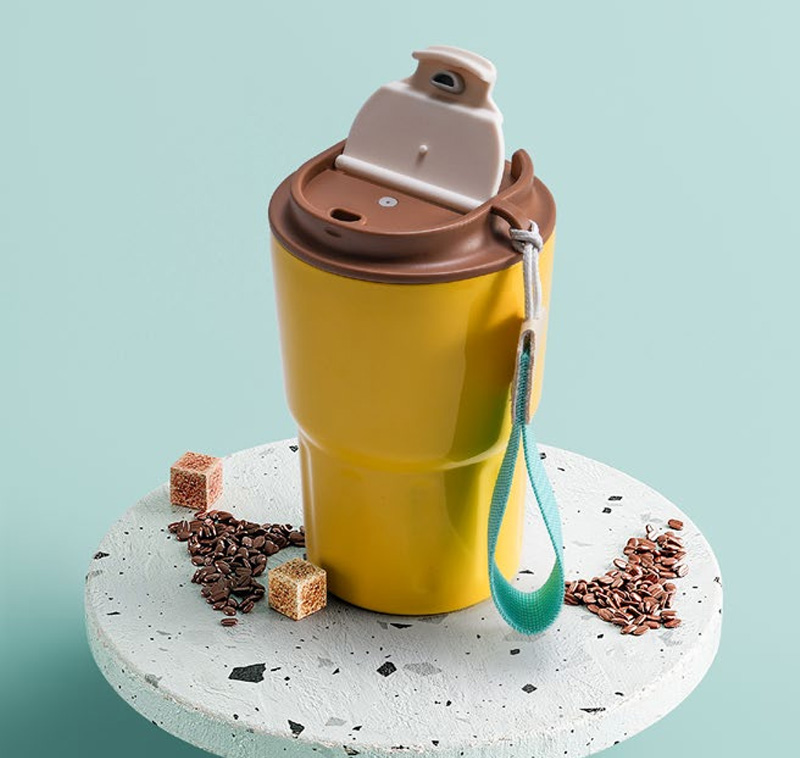
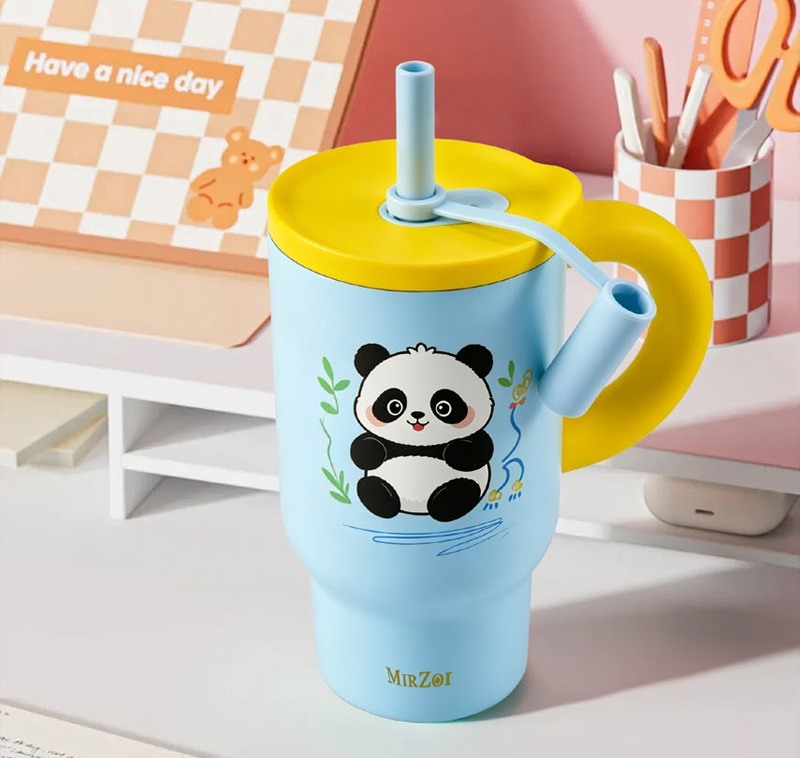
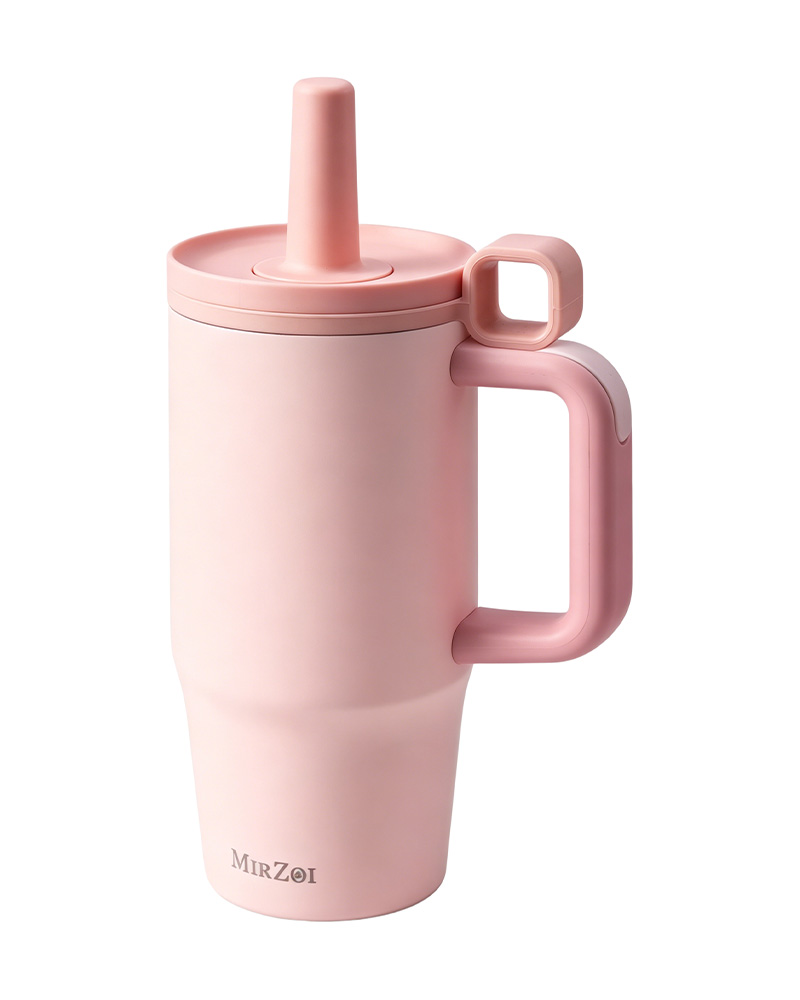
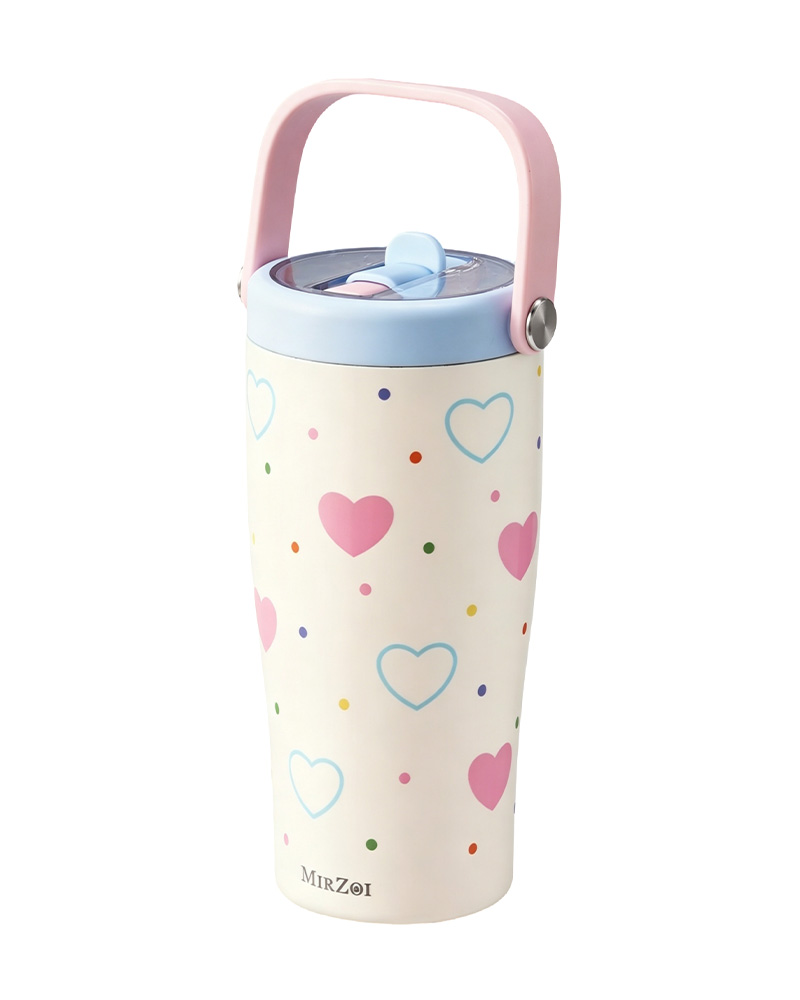
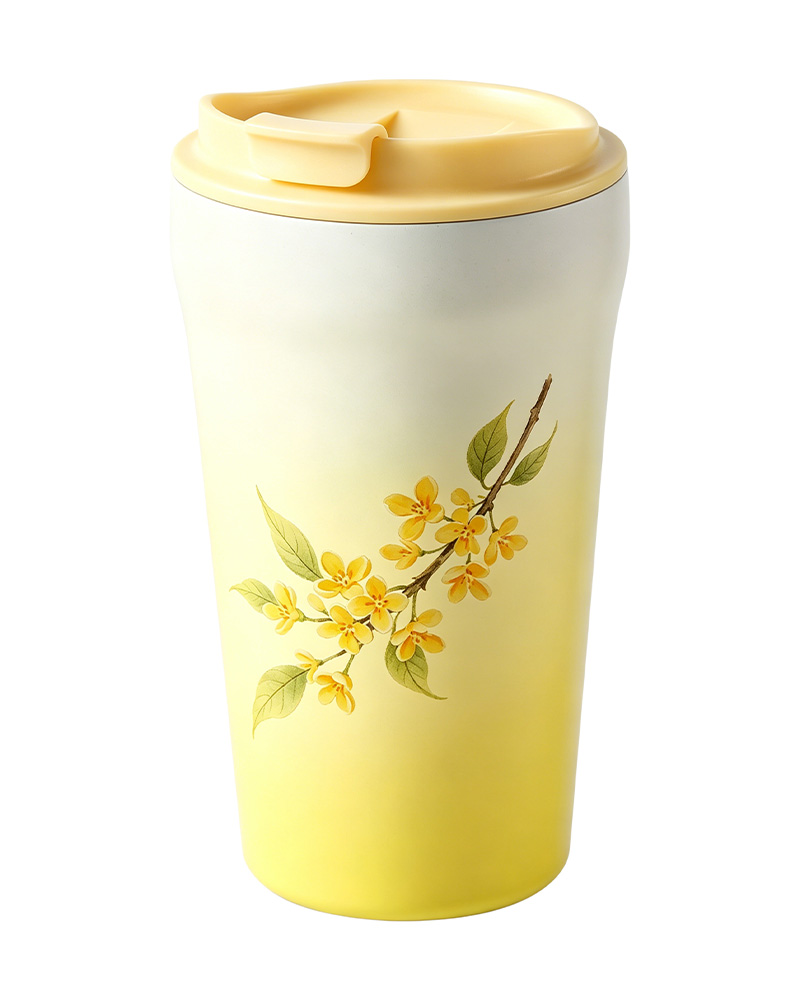
A travel mug lid may contain parts that are not obvious in the main product photograph. When the care guide describes them loosely, the customer can be left uncertain about what is removable and how the lid should be handled.
For a retail insulated travel mug, the care information should be developed around the exact supplied lid. It is part of the product experience, not a generic paragraph added at the end of a listing.
Identify the component arrangement
Ask the manufacturer for a diagram or another clear reference showing the relevant parts of the lid. Establish which parts the user may remove and which should remain assembled.
The instructions should use the same names as the diagram. Avoid mixing a description from an earlier sample with the final lid construction.
Use model-specific care information
Request the approved cleaning and care instructions for the complete product. If different components have different requirements, show that distinction clearly.
Do not assume that a dishwasher statement for one component applies to the whole mug. The same care claim should not be extended to a different lid version without checking the product information.
Review the guide with the sample
Give a reviewer the finished sample and the draft instructions. Ask them to identify the referenced components, without adding steps that are absent from the manufacturer's procedure.
If a term or illustration is unclear, revise the explanation and confirm it with the supplier. A useful guide should reduce uncertainty while staying within the approved operation.
Connect care and replacement records
If replacement parts are offered, record the compatible mug and lid versions. The customer should be able to identify the relevant product before ordering a component.
Packaging and online descriptions should agree on included parts. Where images show a dismantled lid, make sure they represent an arrangement the manufacturer permits the customer to handle.
Claims about leak resistance, temperature limits or suitable contents need support for the exact product. A component diagram alone cannot establish those properties.
Before launching the mug, compare the care guide, product images and spare-part information together. The final question is whether they describe one consistent version. When they do, the brand has a clearer basis for answering a customer's practical question about a lid component without returning to the supplier to identify the product again.

 English
 Español