A bottle used for plain water has very different cleaning needs from one used for coffee, tea, milk, or flavored drinks. The liquid inside can affect how often the bottle needs to be washed, where residue tends to collect, and whether a smell remains after the drink is gone.
Temperature is another part of the equation. An insulated container is commonly used when people want a drink to remain hot or cold while they are working, traveling, commuting, or spending time outdoors. However, keeping a drink at a more stable temperature does not mean every type of beverage should be treated in the same way.
Water is relatively simple to handle. Coffee and tea can leave noticeable flavor and color. Milk needs more careful handling, while carbonated drinks bring pressure into the picture. Acidic drinks have their own considerations as well.
For that reason, choosing a drink for a Vacuum Insulated Bottle involves more than checking whether it fits inside. The type of beverage, how long it remains in the container, and what happens after the bottle is emptied all matter.
Can Water Stay in a Vacuum Insulated Bottle All Day
Plain water is usually the easiest drink to manage in an insulated bottle. It does not contain the oils found in coffee, the coloring compounds associated with some teas, or the solids found in milk. There is generally less residue left behind after the bottle is emptied.
Cold water can be carried for daily activities, while warm water may be used in situations where maintaining a warmer drinking temperature is useful. In either case, the container still needs regular cleaning. Water may leave very little visible residue, but that does not mean the bottle can be left closed and damp between uses.
A bottle used throughout the day can also collect moisture around the lid and drinking opening. Small amounts of liquid may remain there even after the main body has been emptied.
A simple routine is usually enough:
- Empty remaining water rather than leaving it inside for storage.
- Rinse the bottle after regular use.
- Wash the lid and drinking opening as well as the main body.
- Leave the container open while it dries.
Plain water is therefore a relatively low-maintenance choice. It also makes a useful comparison point for drinks that contain oils, sugars, proteins, acids, or strong flavors.
Can Coffee Affect a Vacuum Insulated Bottle
Coffee is convenient to carry in an insulated bottle, particularly when a drink needs to remain warm while someone is away from home. The issue usually comes later, when the coffee has been finished and traces remain inside the container.
Coffee oils can cling to surfaces. Its aroma can also stay around the lid and drinking opening, especially when the same container is used repeatedly. A quick rinse may remove the visible liquid without removing everything that remains on the surfaces.
The lid can be easy to overlook. Coffee may reach the underside of the cap or collect around a seal during normal drinking. If those areas are not washed, the next drink may pick up some of the previous smell.
There is also a practical difference between a bottle used only for coffee and one that switches between coffee and water. A container that regularly alternates between strongly flavored drinks may require more thorough cleaning to keep flavors from carrying over.
| Coffee-related issue |
Where it may occur |
What to pay attention to |
| Oily residue |
Interior and lid |
Thorough washing |
| Lingering aroma |
Lid and drinking opening |
Separate cleaning of lid parts |
| Small coffee particles |
Opening and narrow areas |
Rinsing before washing |
| Flavor transfer |
Interior and sealing areas |
Cleaning before another drink |
The insulation itself is not responsible for coffee residue. The main concern is what remains after the beverage has been consumed.
How Does Tea Affect the Inside of the Bottle
Tea can seem similar to water when it is poured into a bottle, but repeated use can produce a different result. Some teas leave color on the interior, while others leave a noticeable aroma. Loose tea may also leave small particles if it is poured directly into the container.
The longer the drink remains inside, the more important it becomes to deal with the remaining liquid and residue afterward. A quick rinse can be useful immediately after drinking, but it may not be enough when visible staining or a lingering smell has already developed.
Sweetened tea adds another consideration. Sugar and other ingredients can leave a film that is less obvious than a tea stain but still noticeable when the bottle is handled repeatedly without proper washing.
The lid should not be treated as an afterthought. Tea can reach the drinking opening and the area around the seal, particularly when the bottle is tilted frequently during use.
For regular tea drinkers, it helps to pay attention to:
- Color left on the inside surface
- Tea particles around the opening
- Aroma remaining in the lid
- Residue around seals and small gaps
- Moisture left inside after washing
A bottle used for tea does not necessarily need a completely different cleaning routine. It simply benefits from more attention to the areas where tea tends to remain.
Can Milk Be Stored in a Vacuum Insulated Bottle
Milk is a different case from water, coffee, and tea. It contains components that can leave a noticeable coating on surfaces, and small amounts left around a lid or seal can be difficult to remove once they dry.
An insulated container can help maintain the temperature of a beverage, but that function does not change the normal handling requirements for milk. Perishable drinks need appropriate storage and should not be treated as if they were plain water simply because the container is insulated.
The design of the opening can also make a difference during cleaning. A narrow opening may be harder to reach, while a multi-part lid can have several areas where milk residue collects. These parts need to be washed rather than relying only on rinsing the main bottle.
Milk-based coffee drinks create a combination of concerns. Coffee may leave oils and aroma, while milk can add its own residue. The result can be a container that needs more attention than one used for either water or plain coffee.
After carrying milk or a milk-based drink, a sensible routine is to empty the bottle promptly, wash the parts that came into contact with the drink, and allow everything to dry before putting the container away.
The key point is simple: insulation helps with temperature management, but it does not replace proper handling of a perishable beverage.
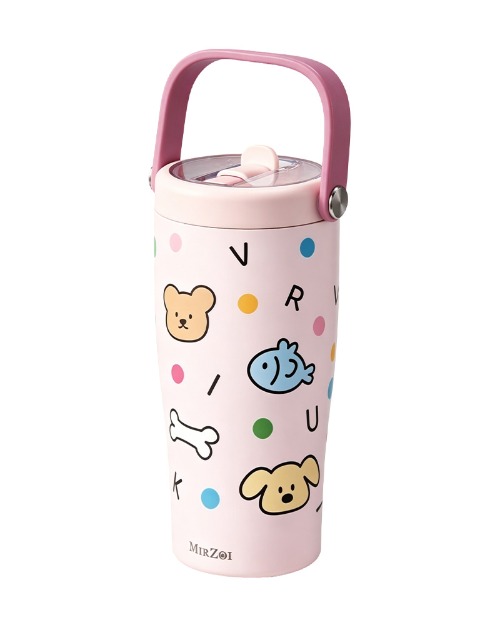
Are Carbonated Drinks Suitable for These Bottles
Carbonated drinks need to be considered separately because gas is present in the liquid. Once the bottle is closed, pressure can develop inside the container as the drink and surrounding conditions change.
This makes the lid particularly important. A container intended for carbonated beverages needs a closure that is appropriate for that type of use. Users should also avoid shaking the bottle before opening it and should handle the lid carefully.
The drink itself may create cleaning work as well. Soft drinks, sparkling flavored beverages, and similar products can contain sweeteners, flavoring, or acids. Once the liquid is gone, traces can remain around the opening and sealing areas.
Before using an insulated bottle for a carbonated drink, it is worth checking whether the container is intended for that purpose. Not every insulated bottle is designed for every beverage type.
Other practical points include:
- Avoid unnecessary shaking while the container is closed.
- Open the lid carefully.
- Check the condition of the seal.
- Wash the opening and lid after use.
- Do not assume that a container suitable for still water is automatically suitable for carbonated beverages.
Here, the main issue is not temperature. It is the interaction between the beverage, the sealed container, and the way the lid is handled.
Can Acidic Drinks Affect the Bottle Interior
Acidic drinks include lemon water, some fruit beverages, and other drinks with acidic ingredients. They are common choices for people who want something other than plain water, but they can leave a stronger taste or smell behind.
The condition of the interior is worth watching when acidic beverages are used regularly. A clean, intact surface is easier to maintain than one with accumulated residue or damage. For this reason, drinks should not simply be left in the container longer than necessary.
Lemon water is a useful example. The drink may look simple, yet the citrus aroma can remain around the lid after the liquid has been poured out. Fruit drinks can create a similar issue, especially when they contain additional ingredients.
The bottle should also be rinsed after use rather than allowing a thin layer of the beverage to dry inside. Once residue has dried, more effort may be needed to remove it.
| Drink type |
Common residue concern |
Areas worth checking |
| Water |
Limited visible residue |
Lid and drinking opening |
| Coffee |
Oils and aroma |
Interior and lid |
| Tea |
Color and particles |
Interior and seal |
| Milk-based drinks |
Coating and residue |
Interior, lid, and seals |
| Carbonated drinks |
Sweet or flavored residue |
Opening and lid |
| Acidic drinks |
Flavor and beverage residue |
Interior and lid |
The material and condition of the container also matter. Any bottle should be used according to its intended application, particularly when it will regularly hold drinks with different characteristics.
Why Do Some Drinks Leave Strong Odors Behind
A smell that remains after a bottle has been emptied does not always mean there is a problem with the container. Often, a small amount of the previous drink is still present somewhere that is easy to miss.
Coffee is a common example. Its aroma can remain around the lid even after the interior has been washed. Tea and flavored drinks can behave in much the same way. Milk-based beverages may create another type of residue, particularly around seals.
The lid is often the area that deserves a closer look. A cap may have a drinking opening, threads, removable seal, or other small sections. Liquid can enter these spaces during normal use.
Moisture can add to the problem. If a washed bottle is closed immediately, the inside remains humid while it is being stored. Keeping the bottle open while it dries gives moisture a chance to escape.
When an odor remains, it helps to consider where it may have originated:
- Interior residue — traces left on the main surface.
- Lid residue — liquid retained around the opening or underside of the cap.
- Seal residue — small amounts held around a removable sealing part.
- Remaining moisture — water left after washing.
This is also why switching from coffee to plain water can sometimes reveal an odor that was not noticeable while coffee was being consumed.
How Should Different Drinks Be Cleaned From the Bottle
Cleaning requirements depend heavily on what the container has held. Water generally leaves little behind, while coffee, tea, milk-based beverages, carbonated drinks, and acidic drinks can create different types of residue.
The main bottle should be washed regularly, but the lid deserves equal attention. If the cap can be separated into several parts, those components should be cleaned according to the care instructions for the container. Sealing parts should not be ignored simply because they are small.
The following approach can help match cleaning to the type of drink:
- Water: Routine washing and drying are generally sufficient.
- Coffee: Pay attention to oily residue and lingering aroma.
- Tea: Check for stains, particles, and retained flavor.
- Milk-based drinks: Clean promptly and remove residue from the lid and seals.
- Carbonated drinks: Wash the opening and lid carefully after use.
- Acidic drinks: Rinse away remaining liquid and clean the interior thoroughly.
Cleaning tools also matter. A method that is too aggressive can damage surfaces or sealing parts, while an unsuitable cleaning product may leave its own residue. The container's care instructions should therefore guide the choice of washing method.
Drying is the last part of the process. After washing, leaving the bottle open allows air to reach the interior. Removable lid components can also be separated when appropriate so that water does not remain trapped between them.
The type of drink can influence almost every part of daily bottle care. Plain water tends to be simple to manage, while coffee and tea bring flavor and staining concerns, milk requires more careful handling, carbonated drinks require attention to pressure and sealing, and acidic or flavored drinks may leave stronger residues. Matching cleaning habits to the beverage makes the container easier to use across different daily situations.

 English
 Español