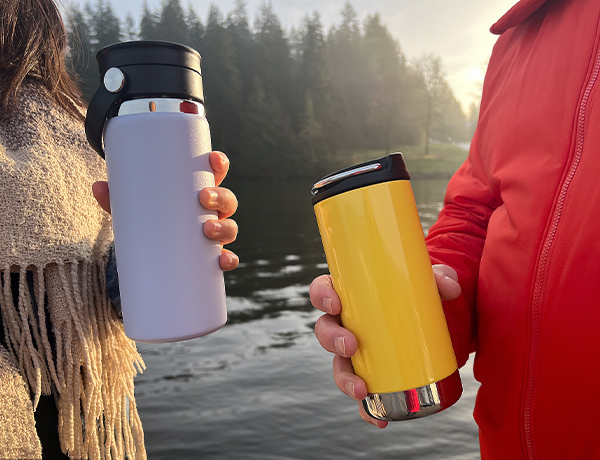
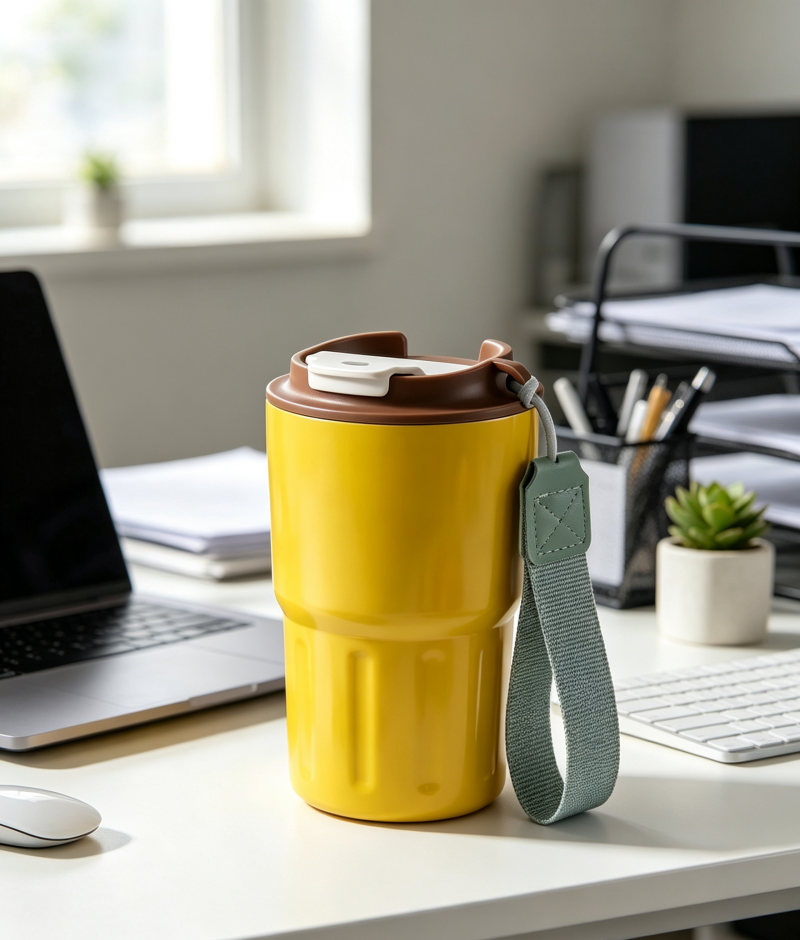
Daily commuting has gradually become more closely connected with the way people carry food, drinks, work equipment, and personal items. A drink that stays within reach during the journey can be part of a morning routine, a workday habit, or a short stop between different activities. This has made reusable drink containers more relevant to everyday mobility rather than limiting their use to travel or outdoor activities.
A Portable Insulated Bottle fits naturally into this setting because it combines a drink container with insulation intended to help maintain the temperature of its contents. The practical considerations go beyond temperature, however. Capacity, bottle dimensions, lid design, weight, vehicle storage, and the type of drink being carried can all influence how a bottle fits into a commute.
As commuting patterns vary, so do the requirements placed on a reusable bottle. Someone walking to work may care about carrying weight and grip, while a driver may pay closer attention to cup-holder compatibility. An office worker may use the same container throughout the day, making opening, drinking, and cleaning part of the routine. These everyday situations help explain why insulated bottles have become associated with regular commuting habits.
How Commute Times Influence Bottle Capacity
The amount of drink carried on a commute is closely related to how long someone expects to be away from home. A short journey followed by access to a kitchen, water dispenser, or café creates a different requirement from a longer trip with fewer opportunities to refill.
A smaller bottle can fit naturally into a light commuter bag when only a drink for the journey is needed. A larger capacity may make more sense when the bottle is expected to remain with the user through a longer workday. The choice is therefore less about a fixed bottle size and more about how the container fits into the day's routine.
Capacity can also affect how the bottle feels during movement. Once filled, the contents contribute to the overall weight, so a larger container may occupy more space and require more carrying effort. This relationship is worth considering alongside drinking habits rather than separately.
| Commute situation |
Capacity consideration |
Main practical concern |
| Short journey |
Smaller capacity may be sufficient |
Easy carrying |
| Regular office commute |
Moderate capacity can support routine use |
Balance between capacity and bag space |
| Longer time away from home |
Larger capacity may reduce the need for refilling |
Overall carrying weight |
| Mixed work and travel routine |
Capacity depends on access to drinks during the day |
Flexibility |
The useful question is not simply how much a container can hold. It is how that capacity interacts with the places, activities, and opportunities to refill that are already part of the commute.
Why Bottle Dimensions Matter in Commuter Bags
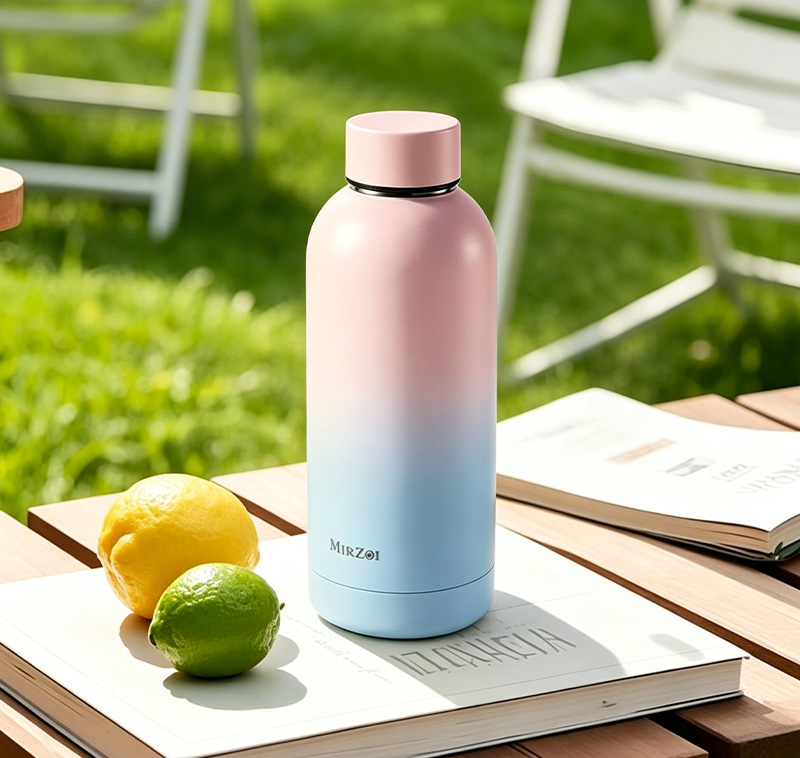
A bottle's physical dimensions can be just as important as its capacity when it travels inside a bag. Two containers can hold a similar amount of liquid while having noticeably different shapes. A taller, narrower design may occupy a different space from a shorter, wider one.
Commuter bags often have dedicated side pockets or internal compartments. These spaces can influence which bottle shape is convenient to carry. A container that fits securely into a side pocket can be easier to access than one that needs to be placed horizontally among other belongings.
The relationship between bottle dimensions and bag design can be considered through several everyday factors:
- Side-pocket width
- Internal compartment height
- Ease of taking the bottle out while standing or walking
- Available space beside books, electronics, or clothing
- Stability when the bag is moved
This is particularly relevant for people who carry several items during the working day. The bottle needs to occupy its own space without making the rest of the bag difficult to organize.
For a Portable Insulated Bottle used during commuting, portability therefore involves more than reducing physical size. The shape has to work with the storage spaces that people already use.
How Temperature Retention Fits Longer Commutes
Temperature becomes more relevant when a drink is carried for an extended period rather than consumed immediately after leaving home. A morning drink may be prepared before departure and enjoyed later, while cold water may be carried through changing environments during the day.
Insulation is designed to slow the transfer of heat between the contents and the surrounding environment. In practical use, the perceived temperature of a drink can also be influenced by how often the container is opened, the amount of liquid remaining, and the conditions around it.
For commuters, this means temperature retention is connected to timing. The bottle may move from a cool indoor environment to a warmer street, then into public transportation or an office. The container remains part of the same routine even though the surrounding conditions change.
Rather than treating insulation as an isolated product feature, it is more useful to consider its relationship with daily schedules. The longer a drink remains in transit, the more relevant temperature maintenance becomes.
This also explains why insulated containers can serve different purposes during the same day. A person may start with a warm drink in the morning and later use the container for water. The role of the bottle changes with the routine around it.
Which Lid Designs Suit Drinking on the Move
Drinking during a commute is different from drinking while seated at home. A commuter may be standing on a platform, walking between buildings, sitting at a desk, or taking a short break between tasks. The lid therefore becomes part of the interaction between the user and the container.
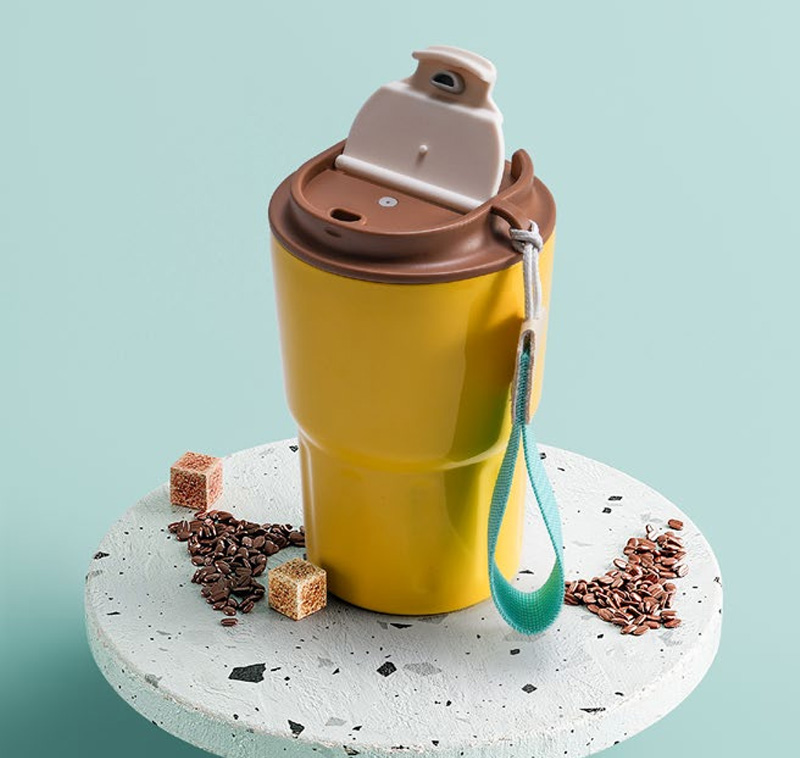
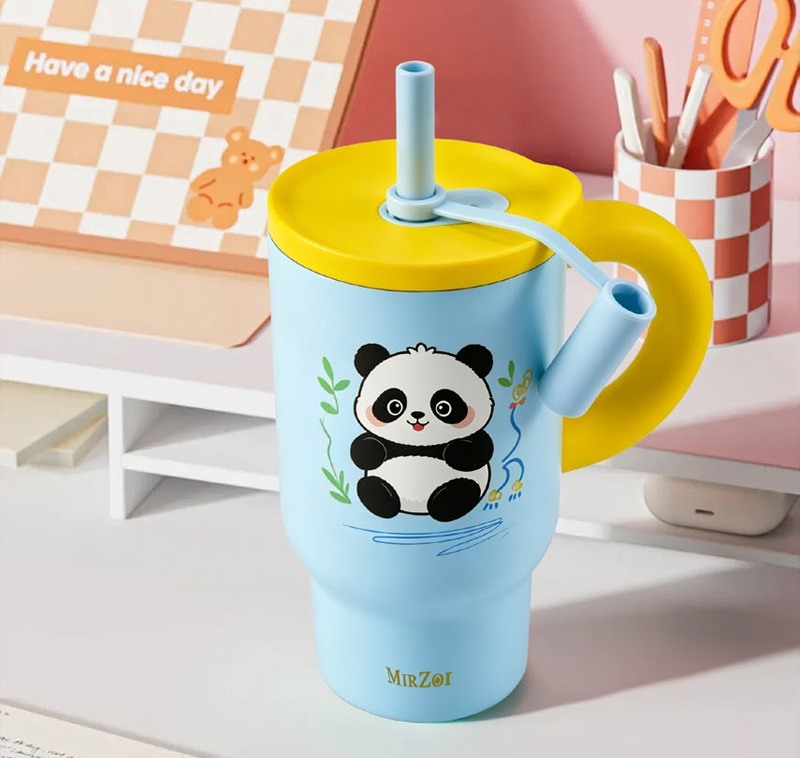
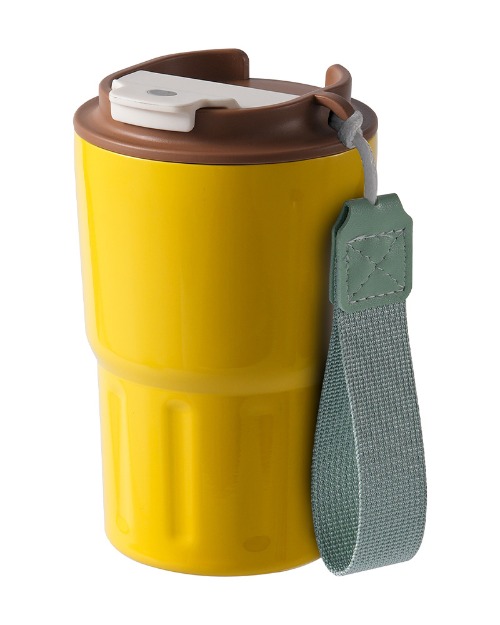
Different lid structures support different drinking habits. A screw lid may suit someone who prefers a simple opening and closing process. A flip-style lid can make repeated access more convenient, while another design may be intended for controlled drinking without removing a larger cap.
The choice can depend on how frequently the bottle is opened and where it is used. A commuter who drinks only after arriving at work may have different priorities from someone who drinks during the journey.
| Lid consideration |
Relevant commuting situation |
Practical focus |
| Opening method |
Frequent drinking |
Ease of access |
| Closing method |
Carrying between locations |
Secure handling |
| Drinking opening |
Walking or seated use |
Controlled drinking |
| Grip or handle |
Frequent carrying |
Ease of holding |
| Cleaning access |
Regular daily use |
Ease of maintenance |
The lid is therefore not simply an accessory attached to the bottle. It influences how the container is opened, carried, stored, and used throughout the day.
How Car Cup Holders Influence Bottle Shape
For people who commute by car, the vehicle creates another storage environment. A bottle may spend part of the journey in a cup holder, where its diameter and base shape determine how it sits in the available space.
A container intended for car use needs to work with the physical dimensions of the cup holder without making removal unnecessarily awkward. Height can also matter because a tall bottle may interact with nearby controls or other objects depending on the vehicle's interior layout.
This creates a different consideration from carrying a bottle in a commuter bag. A bag is flexible and can accommodate different shapes, while a cup holder provides a defined space.
The same bottle may therefore be used in two different ways during a single day. It can travel inside a bag before or after a driving segment and then move into a cup holder during the journey. A practical design has to accommodate these changes without making the daily routine complicated.
Car commuting also highlights the importance of easy access. A driver needs to handle a drink without creating unnecessary distractions, so the location and method of access matter alongside the bottle itself.
Why Lightweight Designs Matter for Daily Carry
Portability is closely connected with weight. An empty bottle may feel light in the hand, but once filled, the liquid becomes part of the total load carried through the commute.
This matters particularly when a bottle is carried alongside a laptop, documents, clothing, lunch, or other personal items. A container that is comfortable to hold for a brief moment may feel different when carried repeatedly throughout a full day.
Weight can be considered together with capacity rather than as a separate feature. Increasing capacity generally means carrying more liquid, so commuters often need to consider how much they actually use rather than simply choosing a larger container.
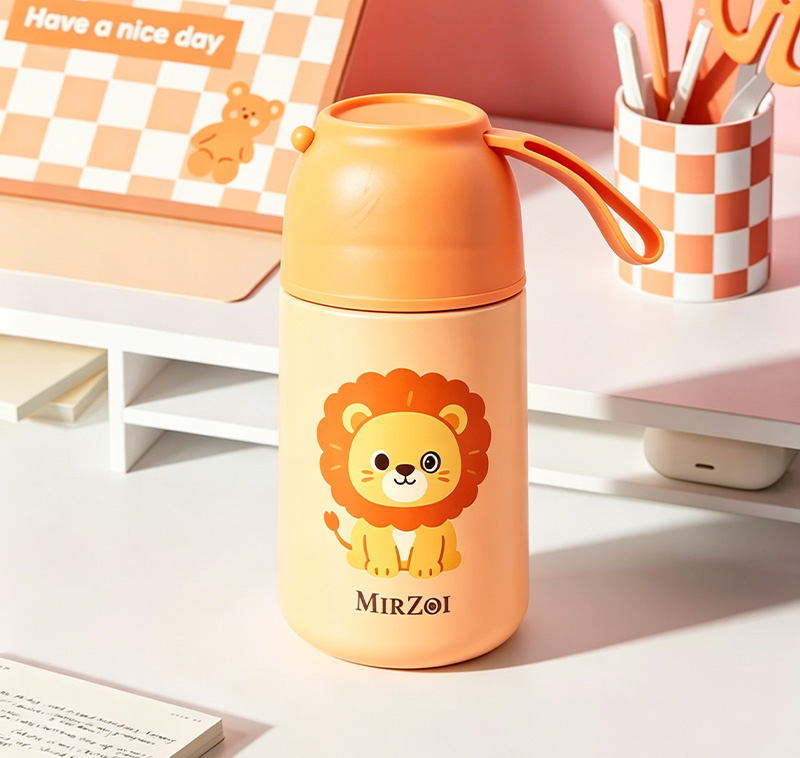
For people who walk longer distances, use public transportation, or change between different modes of travel, small differences in carrying weight can become noticeable over time. A handle or grip area can also affect how that weight is managed.
This is one reason portability should be viewed as a combination of several factors:
- Bottle weight
- Filled weight
- Capacity
- Shape
- Grip
- Carrying method
A Portable Insulated Bottle becomes part of a commuting routine when these factors work with the way the person already moves through the day.
How Coffee and Water Shape Commuter Bottle Use
Water and coffee represent two common types of drinks carried during a working day, but they create different patterns of use. Water may be consumed repeatedly throughout the day, while coffee is often associated with a particular part of the morning routine.
The difference can influence bottle capacity, opening style, insulation needs, and cleaning habits. Someone carrying water may prefer easy repeated access, whereas a person carrying coffee may pay greater attention to drinking temperature and the way the lid handles a hot beverage.
The choice of drink can also affect how often the container needs to be cleaned. Water generally leaves less residue than drinks containing coffee, milk, sugar, or other ingredients. As a result, the same bottle can require different care depending on what it carries.
Commuting routines are also not always fixed. A person may leave home with coffee, switch to water later, and continue using the same container during the afternoon. This makes versatility relevant without requiring the product to serve every possible purpose.
The connection between drink choice and commuting shows that bottle design is influenced by behavior as much as by physical construction. What people carry, when they drink, and where they drink can all shape the role of a reusable container.
What Daily Commute Trends Mean for Portable Insulated Bottles
The growing connection between reusable drink containers and commuting reflects a broader shift toward carrying everyday necessities throughout the working day. A bottle is no longer limited to a single location. It may move between home, transportation, the workplace, and activities after work.
Several factors come together in this change. Commuters need containers that fit available storage spaces, match their drinking routines, remain manageable to carry, and accommodate the drinks they normally consume. Temperature retention becomes relevant when beverages stay with the user for longer periods, while lid and bottle dimensions influence everyday handling.
These requirements also explain why product design continues to focus on practical interactions rather than appearance alone. A bottle's role is determined by what happens around it: how it enters a bag, where it is placed during transportation, how often it is opened, and how it is handled after reaching the workplace.
For manufacturers and buyers, these everyday situations provide a useful way to view the category. The relevant considerations are not limited to the container itself. They extend to commuting habits, storage environments, drinking routines, and the transition between different parts of the day.
As work and transportation routines continue to vary, the Portable Insulated Bottle remains closely connected with the simple need to carry a drink from one place to another while fitting naturally into the rhythm of everyday travel.

 English
 Español