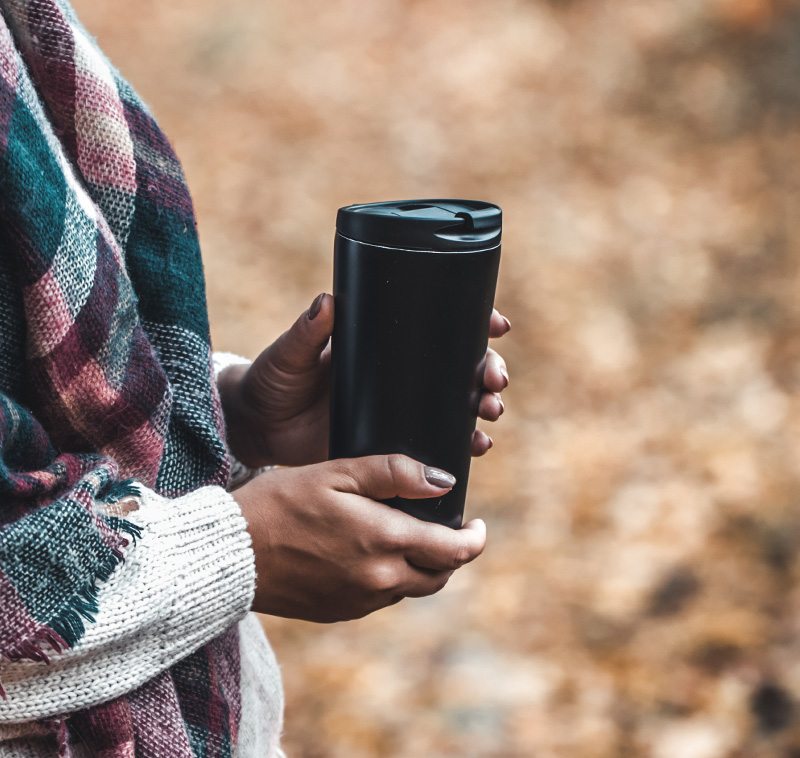
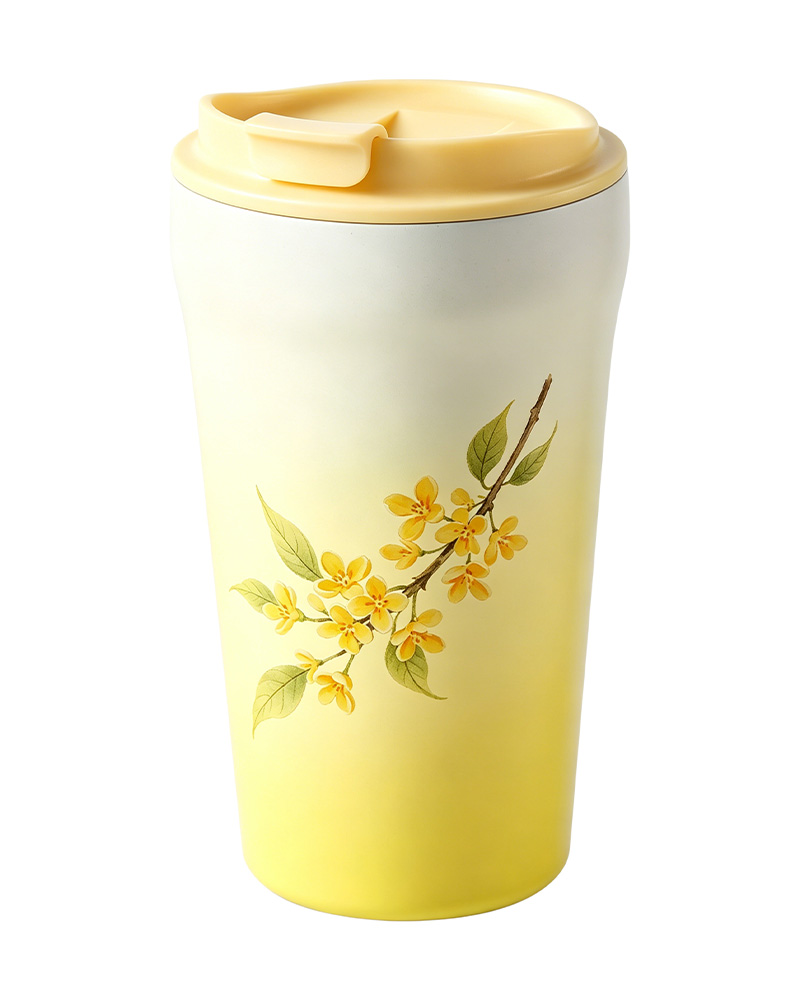
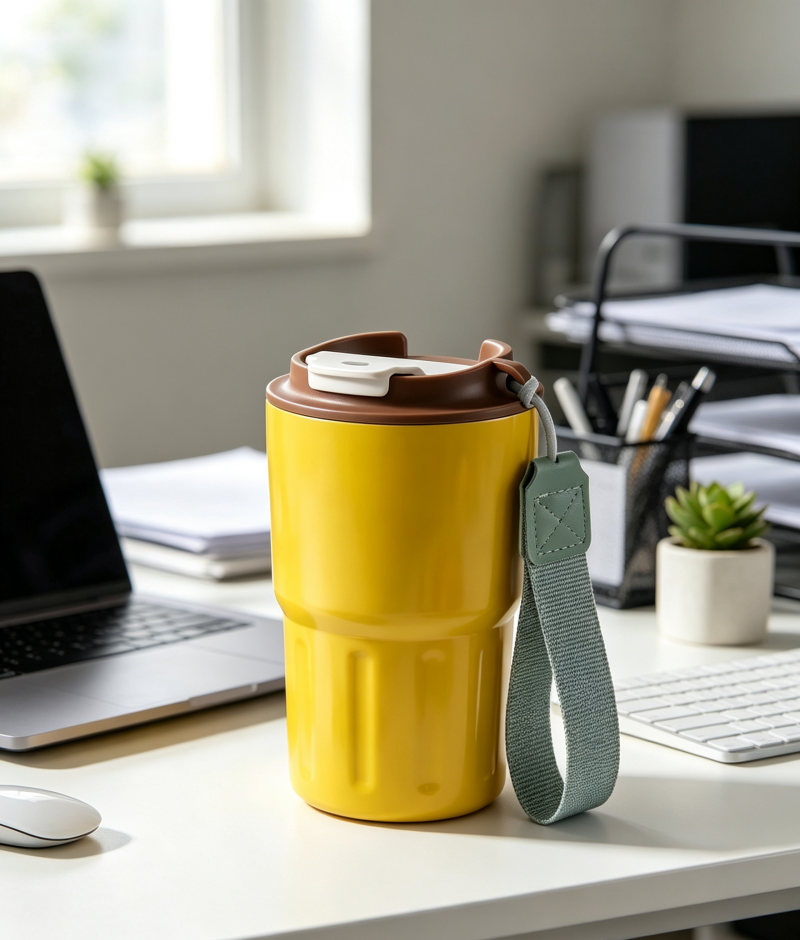
Coffee rarely stays in one place for long. A cup may sit on a kitchen counter, move to a desk, ride in a car, and later spend part of the day inside a bag. During that time, it can be tilted, picked up, put down, and opened several times. These ordinary movements can reveal weaknesses around the lid that are not obvious when the cup is standing upright.
This is where Insulated Leak-Proof Coffee Cups become interesting from a practical point of view. Their ability to contain coffee depends on more than the cup wall. The lid, sealing area, drinking opening, and the way the cup is handled all have a role. Cleaning also matters because small amounts of coffee can remain around places that need to close tightly.
Insulation brings another consideration. A closed lid can help limit exposure around the opening, while repeated opening allows more heat to escape. Looking at these details together provides a clearer picture of how a reusable coffee cup deals with everyday carrying conditions.
How the Lid Creates a Barrier Against Coffee Leaks
The lid is the part that closes the open top of the cup, so its position has a direct effect on containment. When it sits evenly around the rim, it creates a closed boundary between the drink and the outside.
Problems can begin when the lid is not seated properly. It may look closed from above while one section remains slightly out of position. When the cup is tilted, coffee can reach that area and move toward the outside.
The same thing can happen when a lid is attached in a hurry. Placing it on the cup is not necessarily the same as securing it. Depending on the design, the lid may need to be turned, pressed, or otherwise moved into its closed position.
Repeated opening can also change the condition of the contact surfaces. Coffee residue, moisture, or a seal that has shifted during cleaning can prevent the lid from sitting as intended.
| Lid area |
What to look at |
Why it matters |
| Outer edge |
Even contact with the rim |
An uneven edge can create a path for liquid |
| Sealing area |
Clean and correctly positioned |
Residue can interfere with the closure |
| Drinking opening |
Closed before carrying |
An open path can allow coffee to escape |
| Closing section |
Properly secured |
A loose lid may move during handling |
The basic idea is quite simple. The lid has to create a continuous barrier, and that barrier needs to remain in place when the cup is moved.
Why the Seal Around the Lid Matters During Daily Use
The seal around a lid is easy to ignore because it is often hidden once the cup has been assembled. In practice, however, this small area has an important job. It helps close the space between the lid and the cup rim.
A seal that sits flat can make consistent contact with the surrounding surfaces. If it becomes twisted or partly displaced, the lid may still appear normal while the contact around one section is different.
Cleaning is one situation where this can happen. A removable seal may be taken out, washed, and put back slightly out of position. Coffee can also collect around the groove where the seal sits. Neither issue is necessarily obvious at a glance.
Rather than simply tightening the lid more firmly, it is worth checking the sealing area when a cup begins to leak. Look at whether the seal is sitting evenly and whether anything has been trapped between the contact surfaces.
For routine use, a few habits are useful:
- Check the seal after removing it for cleaning.
- Keep coffee residue away from the contact area.
- Avoid closing the lid over visible liquid or particles.
- Make sure the seal remains flat rather than folded or twisted.
- Look at the lid position before carrying a filled cup.
A properly positioned seal works together with the lid. One cannot replace the other. The lid provides the closure, while the seal helps maintain contact around the opening.
How Drinking Openings Can Influence Spill Protection
The drinking opening has a different role from the outer seal. It needs to open when someone drinks and close again when the cup is being carried. This makes it another area where liquid can potentially escape.
When a cup is upright, coffee generally stays away from the upper parts of the lid. Tilt the cup, however, and the liquid moves. Depending on how the cup is held, coffee may reach the drinking opening from a different direction.
That becomes particularly relevant after taking a drink. The user may close the opening and immediately place the cup in a bag or holder. If the closing section has not fully returned to its closed position, movement can allow liquid to escape.
The opening itself also affects the way coffee leaves the cup while drinking. A controlled opening directs the drink toward the user, while the same opening needs to remain contained when transport begins.
This creates two separate areas to check. The lid should be securely attached to the cup, and the drinking opening should be properly closed. A secure outer lid does not necessarily mean every opening on the lid is closed.
What Happens When a Coffee Cup Is Tilted or Shaken
A coffee cup behaves differently in a stationary position and during movement. When it is sitting upright, the liquid remains mainly in the lower part of the container. Once the cup is angled, the surface of the coffee shifts toward the side and can reach the underside of the lid.
A moving bag creates even more changes in position. The cup may lean against another item, move from side to side, or briefly rest at an angle. Each movement changes where the liquid touches the inside of the lid.
Shaking is another situation. Coffee moves back and forth rather than staying relatively still. If there is an opening that has not been properly closed, liquid may reach it during this movement.
The following situations can change the conditions around the lid:
- Tilting the cup while walking or driving
- Moving the cup between a holder and a bag
- Placing the cup on its side
- Carrying it together with other items
- Closing the lid while the cup is already in motion
This is why leak protection cannot be considered separately from everyday handling. Even a well-positioned lid faces different conditions when the cup is stationary compared with when it is being carried.
How Lid Design Can Affect Heat Retention
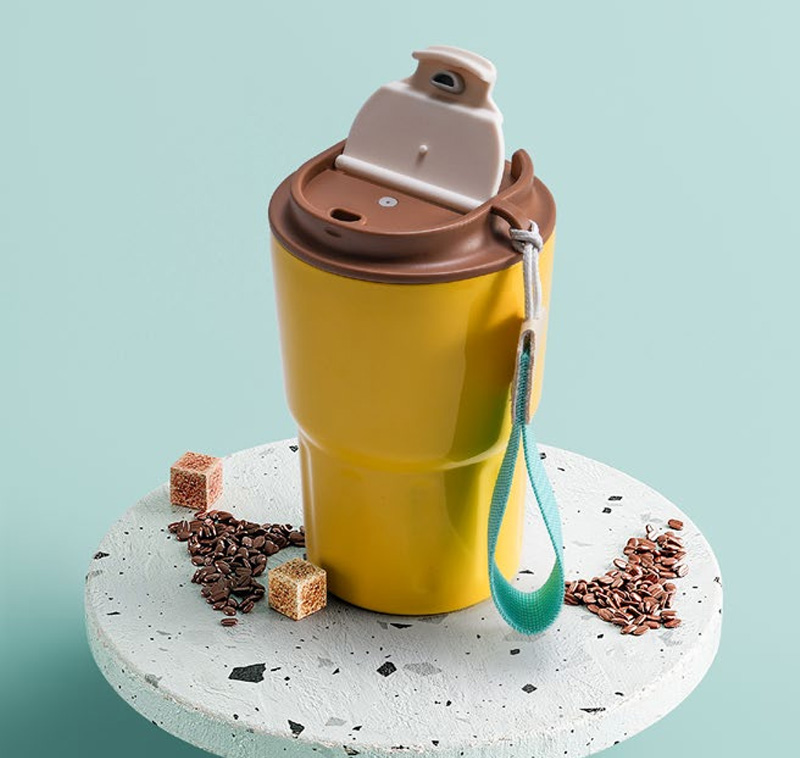
The lid also plays a role in keeping a drink warm. Once the cup is open, the drink is exposed to the surrounding air through the opening. Closing it again reduces that direct exposure.
For an insulated cup, this makes the lid part of the overall temperature-retention arrangement. The insulated wall and the closed upper section work in different ways, but both affect how the drink behaves after it is filled.
Frequent opening is naturally different from keeping the cup closed between drinks. Every opening gives warm air a route out of the cup, and the exposed drink can lose heat more quickly.
The drinking opening matters here as well. When it is left open, the upper part of the drink has greater contact with the surrounding air. When it is closed, that exposure is reduced.
| Everyday action |
Effect on the drink |
Relation to the lid |
| Keeping the lid closed |
Less direct exposure to surrounding air |
Closure remains in place |
| Opening to drink |
Greater exposure around the opening |
Drinking area becomes active |
| Closing after drinking |
Reduces the open path |
Helps contain the drink |
| Repeated opening |
More frequent exposure |
Lid position changes repeatedly |
For this reason, the insulated and leak-resistant features of Insulated Leak-Proof Coffee Cups meet at the lid. The cup wall deals with heat transfer, while the closed upper section controls exposure and helps contain the drink during carrying.
Why Coffee Residue Can Affect the Lid Seal
Coffee residue is easy to miss, particularly around narrow edges. A cup may look clean after a quick rinse while small amounts remain underneath the lid or around the drinking opening.
These areas are important because they are also places where surfaces need to meet closely. Residue can make the surface sticky or uneven, which may affect how the lid sits.
Milk-based coffee can make cleaning even more noticeable. Residue may remain around corners and narrow spaces after the drink has been emptied. If the lid is put back on without cleaning these areas, the buildup can continue through repeated use.
The seal deserves attention during washing. If it can be removed, cleaning underneath it helps clear material that would otherwise stay hidden. Afterward, the seal should be returned to its intended position rather than simply pressed back without checking.
A simple cleaning routine can include:
- Removing the lid after use
- Rinsing the drinking opening
- Washing around the sealing area
- Cleaning beneath removable seals
- Allowing washed parts to dry
- Checking the seal position during reassembly
The point is not to make cleaning complicated. It is to pay attention to the parts that directly affect closure. Keeping these areas clean makes it easier for the lid and seal to sit against their intended surfaces.
How to Check an Insulated Cup Before Carrying Coffee
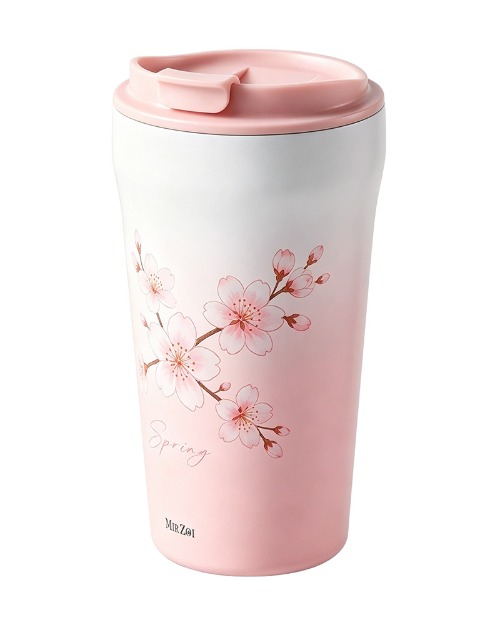
A quick check before leaving with a filled cup can prevent a simple closure problem from becoming a spill. There is no need for a lengthy inspection. The areas involved in containment are relatively easy to identify.
Start with the lid. Check whether it sits evenly and whether there is any visible gap around the edge. If the cup has a removable seal, look at its position as well.
Next, check the drinking opening. It should be in its closed position before the cup is placed inside a bag or moved around.
It can also help to notice whether anything feels different from normal. A lid that suddenly feels unusually loose, difficult to close, or uneven may deserve closer inspection.
A practical check looks like this:
- Is the lid seated evenly?
- Is the seal in its normal position?
- Is the drinking opening closed?
- Is there coffee residue around the lid?
- Does the lid feel properly secured?
These checks are particularly useful when Insulated Leak-Proof Coffee Cups are being taken away from a stable surface. Once the cup is moving, a small issue around the closure can become more noticeable.
If a leak appears, checking each area separately can also make the source easier to identify. Coffee around the outer edge may point toward the lid or seal, while moisture near the drinking opening may have a different cause.
What Makes Leak Protection Practical for Daily Coffee Carrying
A reusable coffee cup has to deal with more than the moment when coffee is poured into it. It needs to remain closed while being picked up, carried, stored, and moved between different places.
The lid provides the main closure. The seal helps maintain contact around the rim. The drinking opening controls the point where coffee is released during use and needs to be closed again for transport. Meanwhile, the position of the cup determines how much liquid reaches these areas.
Cleaning completes the routine. Coffee residue can collect around the very parts responsible for closure, so keeping those areas clean helps maintain the intended contact between surfaces.
This also explains why leak protection is better viewed as a combination of small details rather than one isolated feature. A cup can have a secure lid, but its condition, position, drinking opening, and handling still matter.
For people using Insulated Leak-Proof Coffee Cups as part of a daily routine, the practical concerns are straightforward: close the lid correctly, keep the sealing area clean, check the drinking opening, and consider how the cup will be positioned during transport. These habits fit naturally into ordinary coffee use without requiring complicated procedures.

 English
 Español