Busy days often leave little room for long meal breaks or complicated food prep. A well-made food container can make everyday eating feel more orderly, especially when meals need to travel from home to work, school, or outdoor settings. A Stainless Steel Lunch Jar is one option people turn to when they want a container that feels practical without being fussy.
The appeal is not only about holding food. It is also about how the container fits into routine use. Some people need something that is easy to carry. Others care more about keeping food in a usable state until lunch. In many cases, both matter. A container that supports daily habits can reduce small frustrations, like leaks, awkward handling, or food that loses its texture too quickly.
What Makes a Stainless Steel Lunch Jar Useful for Everyday Food Storage
A lunch jar is at its most useful when it feels simple in daily use. For many users, that means it should store food securely, handle repeated washing, and stay comfortable to carry. A Stainless Steel Lunch Jar is often chosen for that balance.
Unlike a disposable container or a thin lunch box, this type of jar is built for repeated use. The body usually feels more solid in the hand, which matters when the container is placed in a bag, moved between rooms, or carried outdoors. The shape also plays a role. A compact form can help the jar fit into a backpack or tote without taking up too much space.
The kind of food stored inside matters as well. Warm soups, rice dishes, stewed meals, and porridge all have different storage needs, but each benefits from a container that closes securely and handles daily movement well.
| Daily Need |
What Users Usually Look For |
Why It Matters |
| Office meals |
Simple opening and tidy carrying |
Makes lunchtime less awkward |
| School use |
Easy handling and manageable size |
Fits a daily schedule more easily |
| Outdoor plans |
Secure lid and steady shape |
Helps reduce spills during movement |
| Home meal prep |
Easy cleaning and regular reuse |
Keeps the routine more practical |
A useful container does not need to solve everything. It only needs to match the way food is actually carried and eaten.
How Does a Stainless Steel Lunch Jar Keep Food Warm During Daily Activities
Temperature control is one of the main reasons people choose an insulated food jar. The basic idea is straightforward: the container is designed to slow the transfer of heat between the food and the outside air. That does not make the meal stay unchanged forever, but it can help food remain more comfortable to eat later in the day.
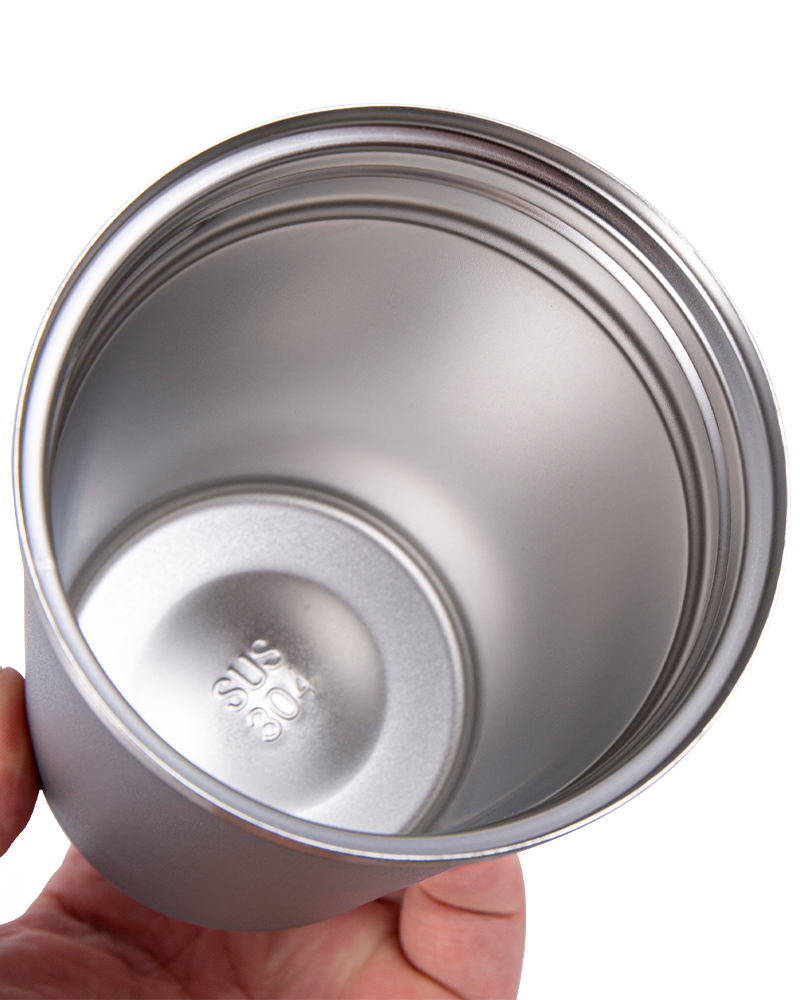
A Stainless Steel Lunch Jar usually depends on several parts working together. The inner chamber holds the food, while the outer layer helps reduce outside influence. The lid also matters because a close-fitting cover can help maintain the internal environment for longer.
There are a few habits that can shape the result:
- Fill the jar with food that is already at the intended temperature.
- Close the lid firmly after filling.
- Avoid opening the container too often before mealtime.
- Choose a size that matches the meal instead of leaving too much empty space.
These points may sound small, but in daily use they often make the difference between a meal that feels ready and one that feels less consistent. People who use soup, noodles, or rice dishes may notice that different foods behave differently inside the same container. That is normal. Food texture, moisture, and filling method all play a part.
Why Is Stainless Steel Lunch Jar Material Important for Food Storage and Daily Use
Material choice affects more than appearance. It shapes how the container feels in hand, how it stands up to daily handling, and how easy it is to clean after use. For many buyers, stainless steel is attractive because it gives the product a steady, reusable character without requiring much special treatment.
A Stainless Steel Lunch Jar is often preferred by people who want a container that can handle regular use with less concern about wear. It is also a sensible choice for those who do not want to switch containers often. Once a meal is finished, the jar can be cleaned and returned to use again.
The main material questions usually come down to a few practical concerns:
- Does the surface feel easy to wipe and wash?
- Does the container seem suitable for repeated carrying?
- Does the material support different kinds of meals?
- Does it fit into a daily routine without extra effort?
Those questions matter because a food container is not only a storage item. It becomes part of a pattern: fill, carry, eat, clean, repeat. When that pattern feels smooth, the product becomes more useful.
Which Stainless Steel Lunch Jar Size Should You Choose for Office Meals School and Camping
Capacity is one of the clearest choice points, yet it is also one of the easiest to misjudge. A container that seems convenient in a product photo may feel too small once a real meal is packed inside. A larger jar may seem helpful, but it can also feel heavier or less convenient than expected.
The right size depends on how the container will be used and what kind of meal it needs to hold. Someone carrying a light lunch to the office may want a different size from someone preparing a fuller meal for a longer outing.
Consider the following when choosing:
- Your usual meal portion
- How far the container needs to travel
- Whether it will sit in a bag or be carried by hand
- Whether you need one dish or a mix of foods
| User Situation |
Size Direction |
Practical Reason |
| Office routine |
Moderate capacity |
Keeps the meal manageable |
| School day |
Smaller or balanced size |
Easier to carry throughout the day |
| Camping or travel |
Flexible capacity |
Can fit a planned meal without excess bulk |
| Meal prep at home |
Based on portion style |
Matches what is usually cooked |
A suitable size helps the jar feel natural in use. When the container matches the meal, the whole routine becomes easier to maintain.
The right food jar is often the one that fits quietly into daily life. It does not need attention. It just needs to work in the background, from the kitchen counter to the lunch break and back again.
What Foods Can You Store in a Stainless Steel Lunch Jar and How to Keep Them Fresh
A lunch jar is often chosen for meals that need a little more care than a simple snack container. Warm soups, rice, noodles, porridge, and cooked dishes are common choices because they are easy to portion and easy to carry. A well-sealed container can also help keep these meals neat during travel.
The type of food matters because different textures behave differently. A meal with more moisture may stay pleasant to eat longer than one that dries out quickly. Softer dishes may also hold their shape better if they are packed with care and not overfilled.
A few simple habits can help the food stay in better condition:
- Pack food when it is at the right serving temperature.
- Leave a little space near the opening so the lid can close cleanly.
- Keep sauces and side items separate when possible.
- Avoid opening the container too early before eating.
Some foods work well because they are easy to warm, easy to carry, and easy to serve later. Others may lose texture faster, especially if they are left in a container that is too large or opened too often. For that reason, meal choice and packing style often matter as much as the container itself.
How to Choose a Stainless Steel Lunch Jar with the Right Insulation Design and Features
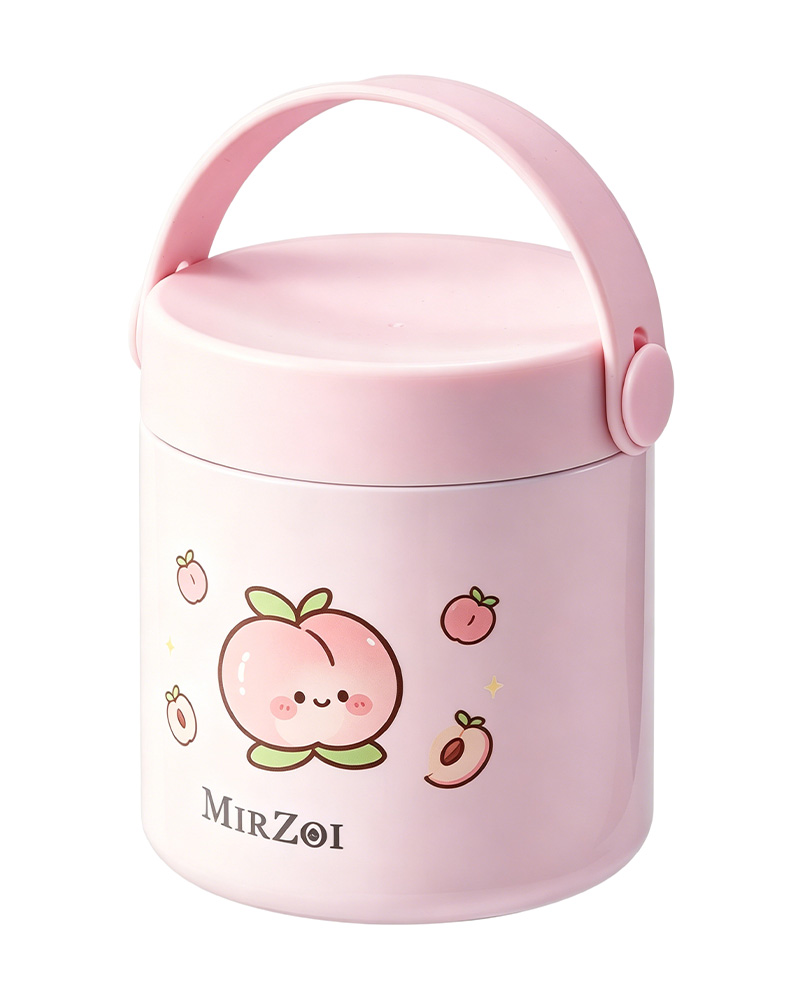
Not every lunch jar feels the same in daily use. Some are made for simple meals at work, while others are shaped for travel, school, or outdoor carrying. The right choice depends on how the container will be handled from morning to mealtime.
A good starting point is the lid. If the closure feels secure and easy to use, daily carrying becomes less stressful. A wide opening can also help, especially for people who fill the jar with soup or larger portions. Some users prefer a shape that is easy to hold in one hand, while others care more about how neatly it fits into a bag.
When comparing options, it helps to think about the following:
- How easy it is to open and close
- Whether the opening feels practical for filling and eating
- Whether the shape suits the way the meal will be carried
- Whether the design feels comfortable for repeated daily use
The insulation design should also match the food and the routine. A person who uses the container for a short lunch break may need different features from someone who carries food for a longer outing. A thoughtful design does not need to look complicated. It only needs to suit the way people actually use it.
What Are the Differences Between Stainless Steel Lunch Jar and Traditional Food Containers
People often compare insulated food jars with regular food containers because both can hold meals, but they are used in different ways. A traditional container is often chosen for short storage, simple leftovers, or cold meals. A lunch jar is usually selected when the user wants a more structured way to carry food away from home.
The difference is not only in appearance. It is also about how the container supports daily habits. A regular box may work well for dry food or short trips. A jar with insulation is often more useful when the meal needs a more stable environment and a secure seal.
There are a few practical differences worth noticing:
- A food jar is usually better suited to warm meals.
- A regular container may be easier for quick storage.
- A sealed jar often feels more suitable for travel.
- A simple box may be enough for light snacks or cold dishes.
Each option has a place in daily life. Some people use both, depending on the meal and the schedule. A lunch jar can feel more useful when food needs to stay in one place and remain ready for later use, while a basic container may be enough for simpler needs.
How to Clean and Maintain a Stainless Steel Lunch Jar for Long Term Daily Use
Regular cleaning is part of what makes a food container useful over time. After a meal is finished, leftover sauce, steam, and small food particles can stay inside the jar if it is not cleaned soon enough. That can affect the smell, the appearance, and the next use.
Cleaning does not need to be difficult. Warm water, a gentle washing method, and careful drying are often enough for routine care. The lid and sealing parts deserve attention too, since they are the areas most likely to collect residue.
A practical cleaning routine can include:
- Rinsing the container soon after use
- Washing the inside and lid separately
- Checking corners and seals for leftover food
- Allowing every part to dry fully before storage
It also helps to store the jar with the lid open when it is not in use. That small habit can reduce trapped moisture and make the next meal feel fresher. If the container is used every day, a consistent care routine can help it stay easier to manage and more pleasant to use.
Over time, a well-kept lunch jar tends to fit into the rhythm of daily life with less effort. It becomes part of a routine rather than an extra task, which is often what people want from a food container in the first place.

 English
 Español