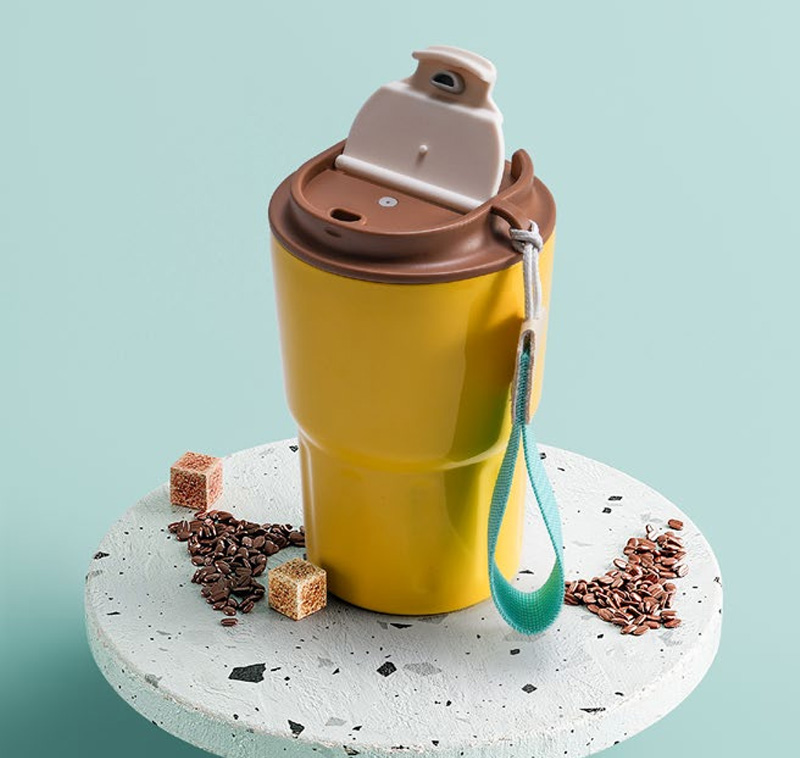
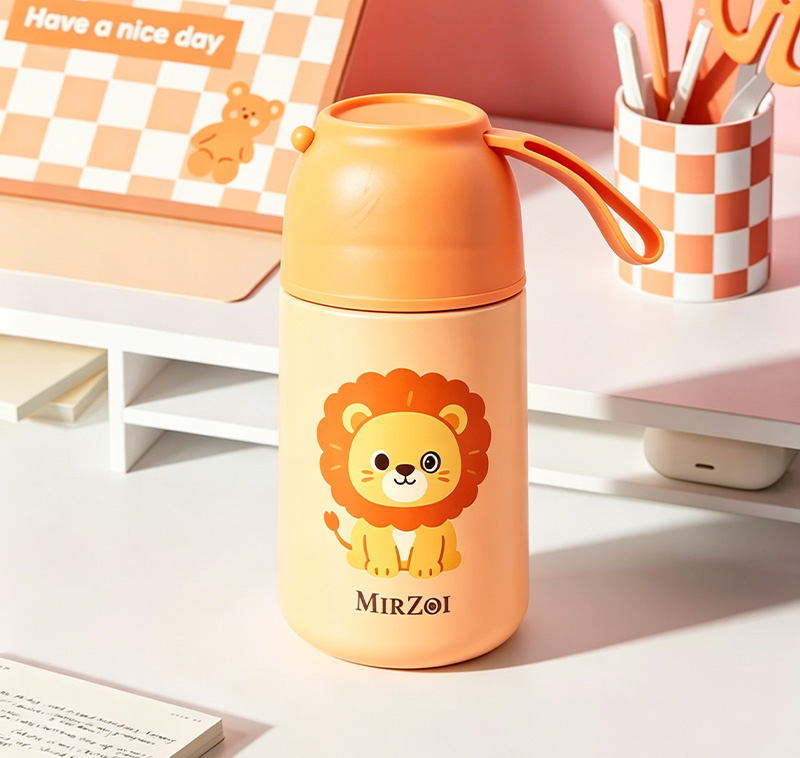
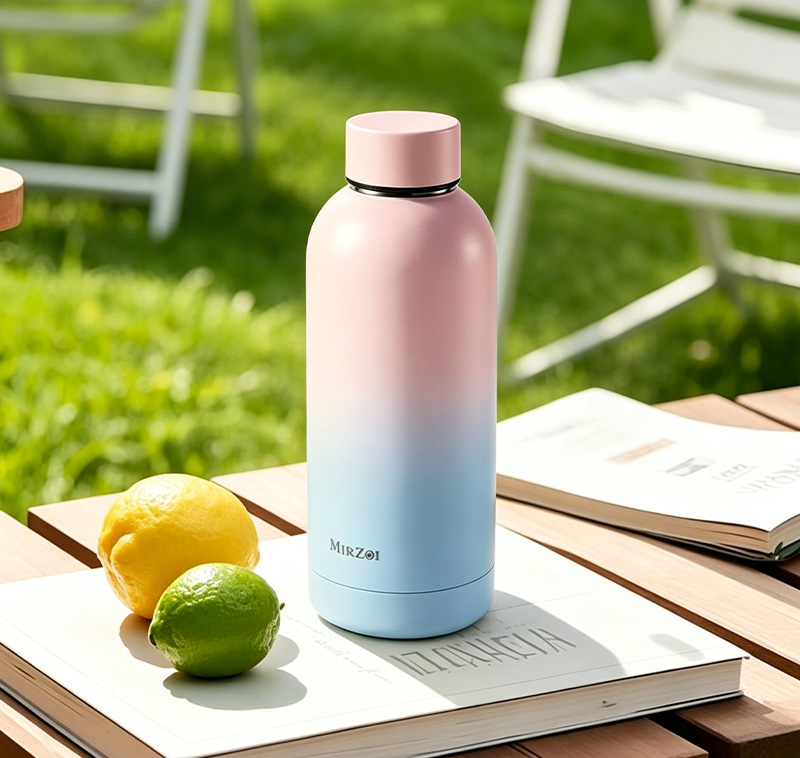
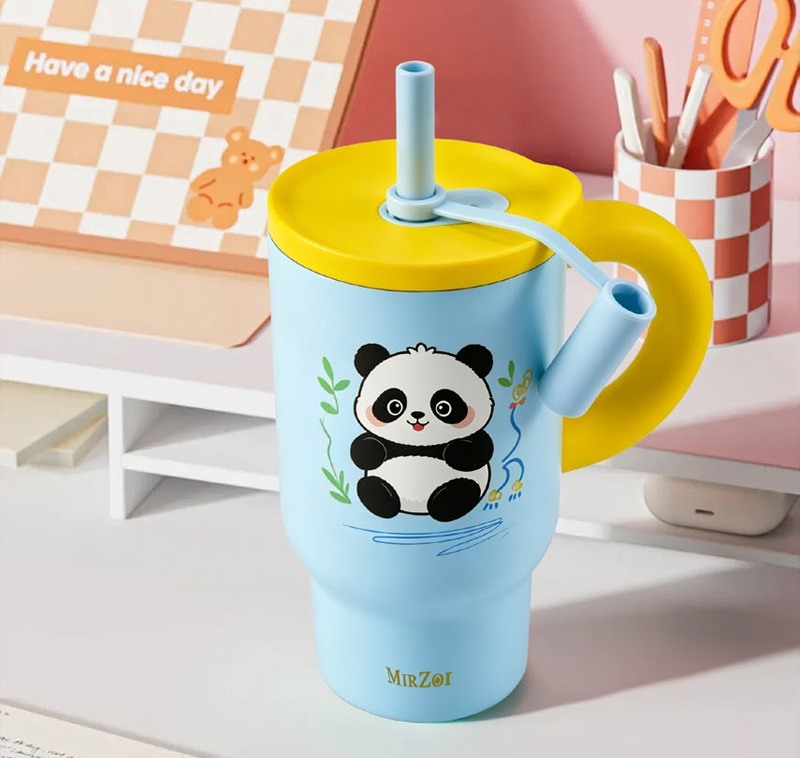
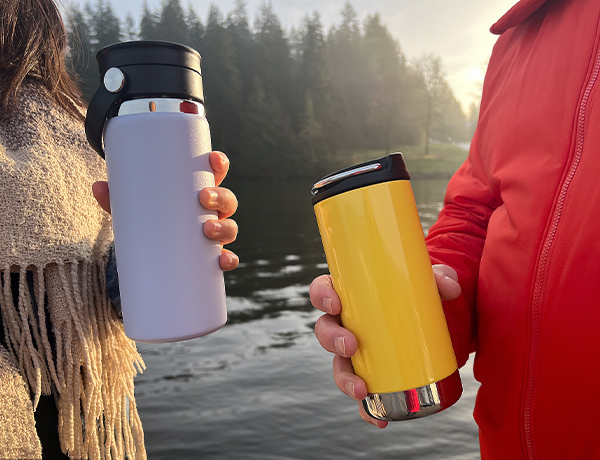
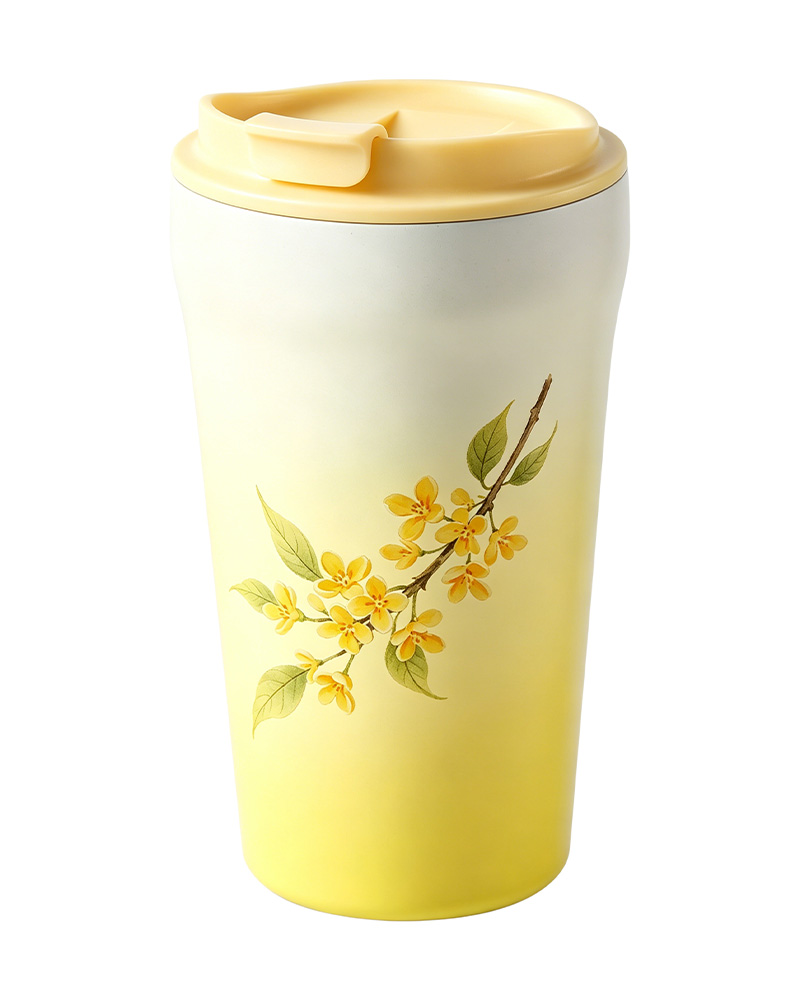
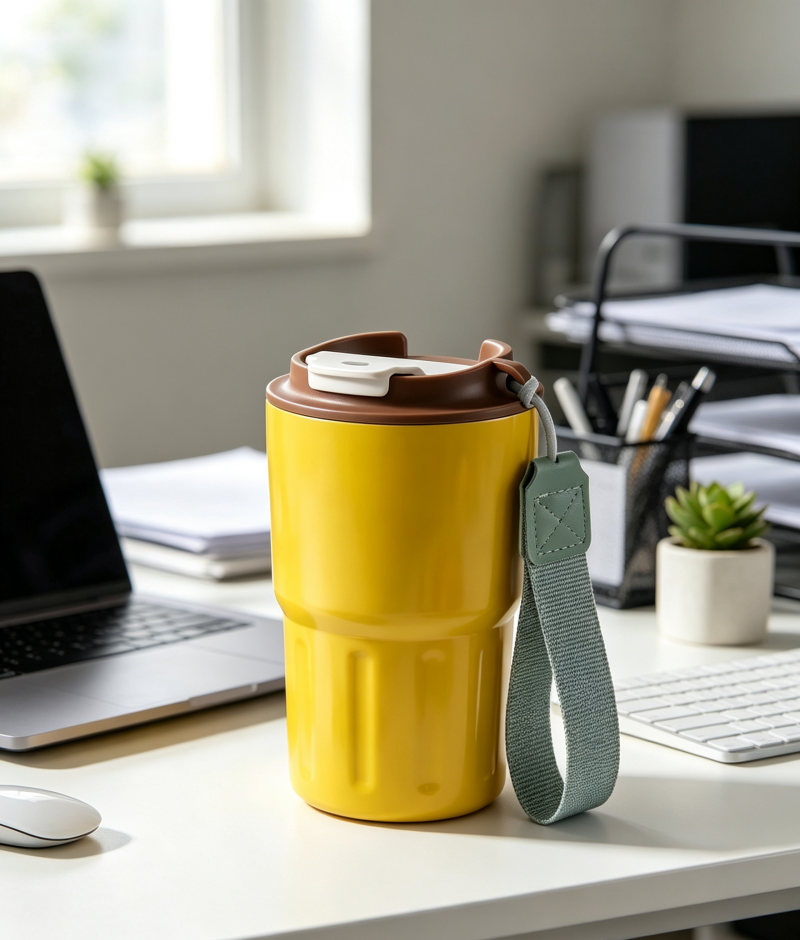
People usually notice a coffee cup when something goes wrong with it. A lid opens too easily. A bag gets damp. Heat fades sooner than expected. In everyday use, those small issues matter more than polished product language. A cup has to fit real routines, not ideal ones.
That is why insulated drinkware keeps drawing attention from commuters, office users, and casual travelers. The value is not only in keeping coffee warm or cool for a while. It is also in how the cup behaves when carried, set down, tilted, or stored in a car. A practical design should feel simple, stable, and easy to trust.
Insulated Leak-Proof Coffee Cups are often judged by those quiet details. The shape of the body, the way the lid closes, and the way the cup sits in the hand all shape the experience. When those parts work together, the cup becomes part of the routine instead of something the user has to think about.
What Makes Insulated Leak-Proof Coffee Cups Work During Daily Commuting and Travel
Commuting puts a cup through a set of small tests. It may move from a kitchen counter to a bag, from a bag to a desk, and then from a desk to a car holder. None of those actions is dramatic on its own, but they add up. A good cup should stay calm through that kind of use.
The details people notice most are often the simplest ones. Does the lid stay steady when the cup is tilted? Does the body feel balanced when carried in one hand? Does the cup slide around inside a bag pocket? These are the questions that shape daily satisfaction.
A practical commuting cup often does a few things well:
- It closes with a clear, secure feel.
- It stays comfortable to hold while walking.
- It does not spill when shifted between short stops.
- It fits into common carry habits without extra effort.
When those points come together, the cup feels easy to use. That matters more than a long list of features.
How Car Cup Holder Compatibility Affects the Performance of Insulated Leak-Proof Coffee Cups
Car use adds another layer of pressure. The cup is not just being carried. It is being shaken lightly, turned, lifted, and put back down. A cup that works on a desk may still feel awkward in a vehicle if the base does not sit well.
Fit is usually the first issue. If the base is too wide, the cup may not settle properly. If it is too narrow, it may wobble. Surface texture also matters because it can help the cup stay in place during turns or quick stops. A cup that feels stable in the holder is easier to trust during regular driving.
The lid also plays a role here. Even when the cup is not tipped over, vibration can create movement inside the container. A well-designed closure helps reduce that risk and keeps the drink in a more controlled state.
| Car Use Factor |
What Users Notice |
| Base fit |
Whether the cup sits firmly |
| Surface grip |
Whether it slides during motion |
| Lid closure |
Whether the drink stays contained |
| Height balance |
Whether the cup feels stable |
This is why car compatibility is more than a convenience detail. It changes how the cup performs in a daily setting.
How Vacuum Insulation Technology Helps Coffee Stay Warm or Cool Over Time in Travel Cups
Temperature control is one of the main reasons people choose insulated drinkware. Nobody wants coffee turning lukewarm too quickly on a busy morning. At the same time, cold drinks should not warm up before the day is halfway over.
The basic idea is straightforward. The cup is made to slow the exchange of heat with the outside environment. When the design limits that exchange, the drink stays closer to its original temperature for longer. The result is not magic. It is simply a slower shift, which gives the user more time to finish the drink at a comfortable pace.
Several everyday habits affect that result:
- Opening the lid frequently lets heat escape.
- Leaving the cup in direct sun changes the drink faster.
- A loose seal can reduce thermal control.
- A full cup often keeps temperature more steadily than an almost empty one.
That is why Insulated Leak-Proof Coffee Cups are often appreciated not just for insulation, but for how the lid supports that insulation. The two parts work together.
Why Lid Structure Design Matters for Leak Resistance in Insulated Coffee Cups
The lid carries a lot of responsibility. It has to close cleanly, stay in place, and manage pressure changes from movement or temperature shifts. If the lid feels uncertain, the whole product feels less dependable.
Users usually notice the lid before they notice anything else. A good one closes with a steady fit and opens without feeling loose. The seal should behave consistently, not only when the cup is new but also after repeated use. A design that is easy to clean also tends to feel more practical in daily life.
A few points make a real difference:
- The closing motion should feel even rather than forced.
- The seal should sit firmly without shifting.
- The drinking opening should not create splashing.
- The lid should handle repeated opening and closing without becoming sloppy.
For many users, this is the part that decides whether the cup feels useful or annoying. That is why Insulated Leak-Proof Coffee Cups are often judged by the lid first and the body second.
What Design Details Help Reduce Spills in Insulated Coffee Cups During Movement
Spills are rarely caused by one obvious design flaw. In many cases, they appear only when the cup is already in motion, not when it is sitting still on a table. A small tilt while walking or a quick hand adjustment in a car can be enough to expose weak points in liquid control.
What matters more is how liquid behaves inside the opening path. Some designs allow a smooth return of liquid after movement slows down, while others let small bursts escape before pressure stabilizes.
This is where everyday handling becomes more important than static testing. A cup might feel stable at rest, but behave differently once it is repeatedly tilted or paused during movement.
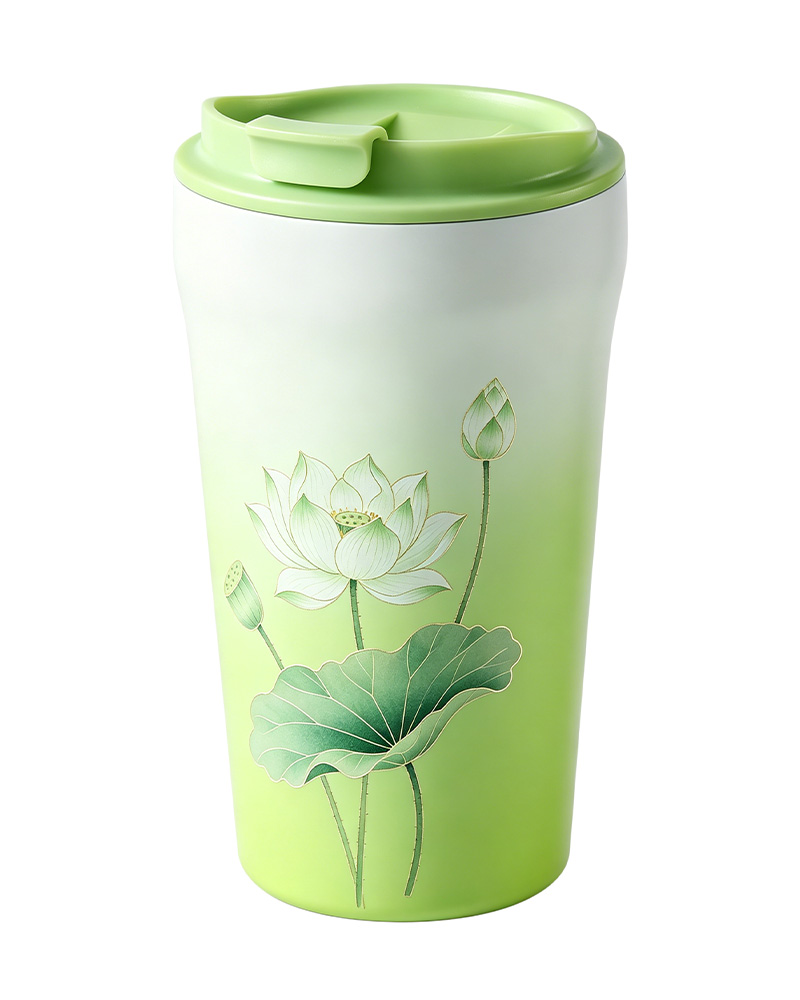
Which Materials Inside Insulated Leak-Proof Coffee Cups Influence Taste and Durability
Material choice does not only affect structure. It also slowly shapes how the drink feels after repeated use, especially when the same cup is used for different beverages across the day.
For example, coffee with stronger aroma tends to leave behind subtle traces if the inner surface is not smooth enough. Over time, these traces can slightly influence the next drink, even after rinsing.
Durability is often noticed in a quieter way. Not through breakage, but through how the surface reacts after many heating and cooling cycles. Some users only realize this after weeks of routine use.
Common material-related behaviors include:
- Slight odor retention after repeated strong beverages
- Changes in surface feel after temperature shifts
- Differences in how easily residue is removed
These effects are gradual rather than immediate, which is why they are often underestimated at the beginning.
How Cleaning and Maintenance Affect Long Term Use of Insulated Leak-Proof Coffee Cups
Cleaning habits usually become noticeable only when performance starts to change. A lid that once closed smoothly may begin to feel slightly resistant. A sealing ring that looked clean may still hold moisture in hidden corners.
The structure of the lid is often the most sensitive area. It is made of multiple contact points, and each one can trap small amounts of liquid if not fully dried.
What users typically encounter over time is not failure, but small shifts in feel. The cup still works, but it does not feel as consistent as before.
A few simple patterns help maintain stability:
- Rinsing shortly after use instead of leaving residue inside
- Separating lid components occasionally for airflow drying
- Avoiding immediate closure when parts are still damp
These are not strict rules, but they influence how long the original sealing feel can remain consistent.
Which User Habits Help Maintain Leak Resistance Over Time
Leak resistance is not only a design outcome. It is also shaped by how the cup is handled day to day. Even small repeated actions can gradually influence alignment and sealing pressure.
For instance, placing a cup into a tightly packed bag may not cause immediate leakage, but repeated pressure on the same side can slowly affect how the lid sits. Similarly, closing the lid halfway and finishing it later can introduce slight misalignment that builds up over time.
Temperature habits also matter in a subtle way. Switching frequently between very hot and cold liquids creates expansion and contraction cycles that the sealing ring has to follow.
Some practical usage behaviors include:
- Making sure the lid is fully seated before carrying
- Avoiding long periods of side pressure in storage
- Keeping sealing parts dry before closing
| Usage Habit |
Practical Effect |
| Full lid closure |
Keeps sealing alignment stable |
| Reduced side pressure |
Limits gradual deformation |
| Dry sealing surface |
Improves contact consistency |
In daily routines using Insulated Leak-Proof Coffee Cups, these habits are usually small and almost automatic. Still, they play a quiet role in how long the cup maintains a steady leak resistant behavior.

 English
 Español