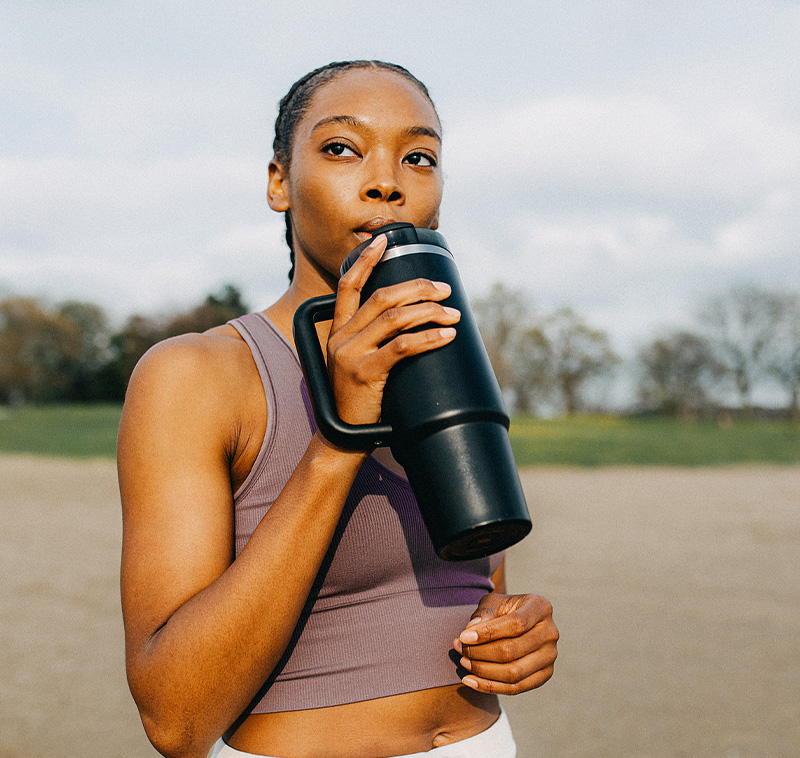
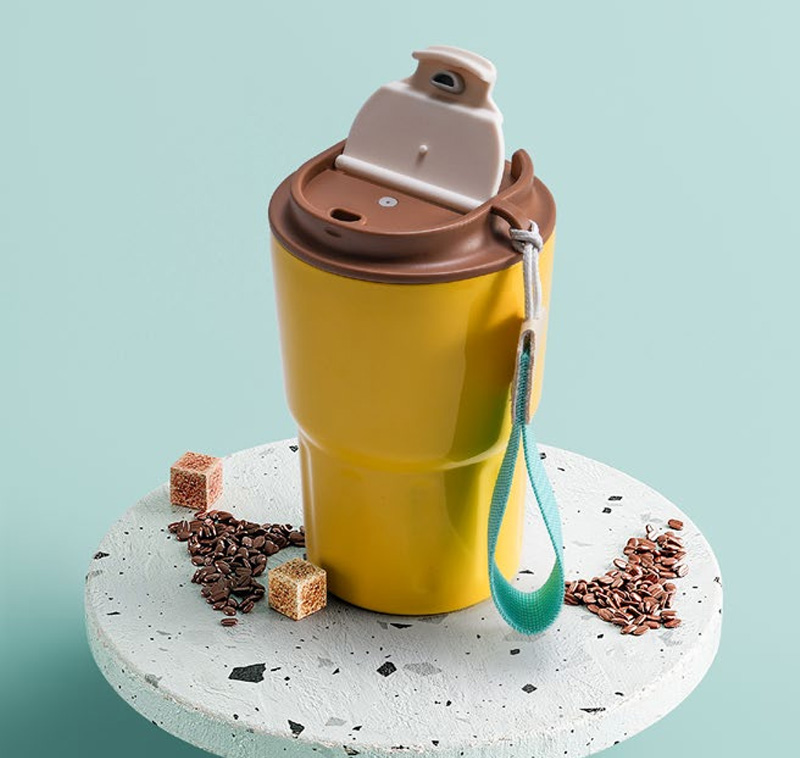
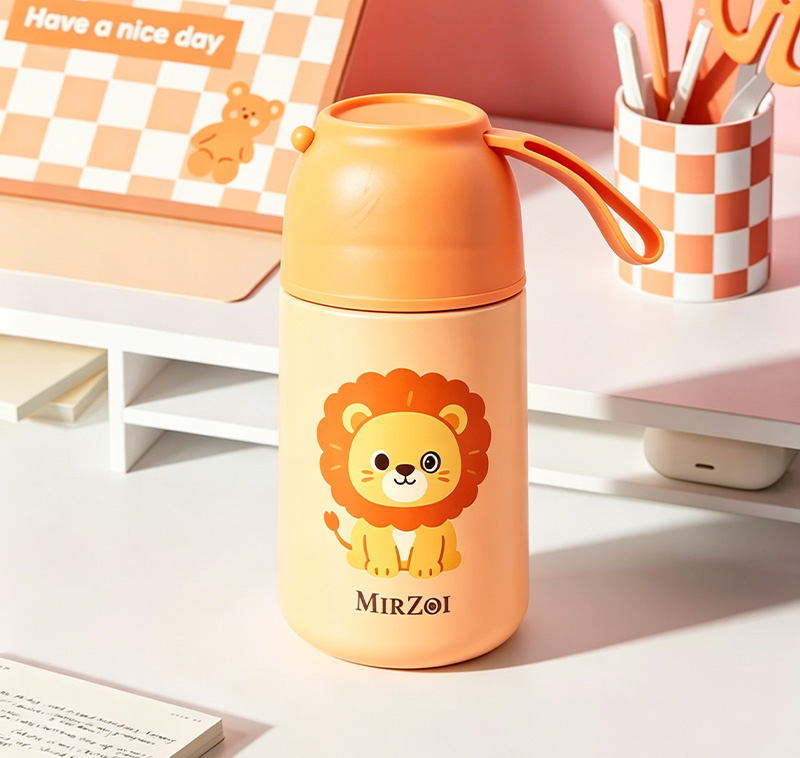
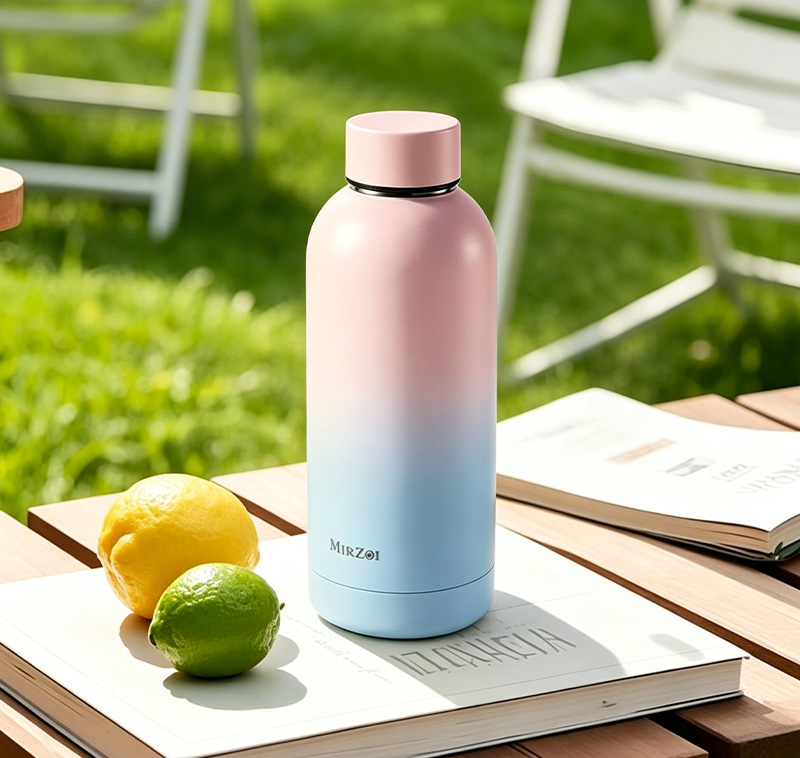
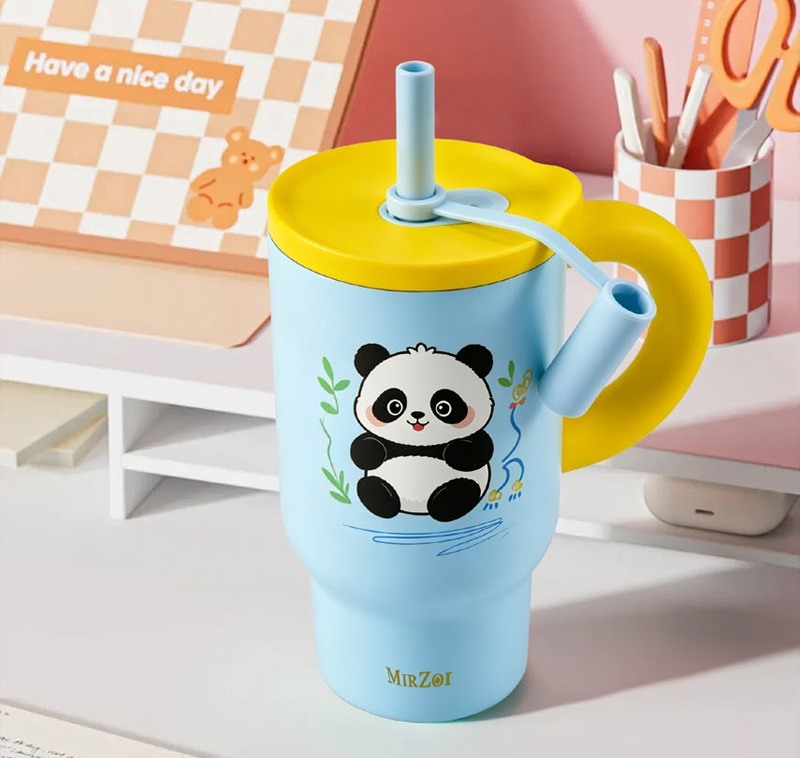
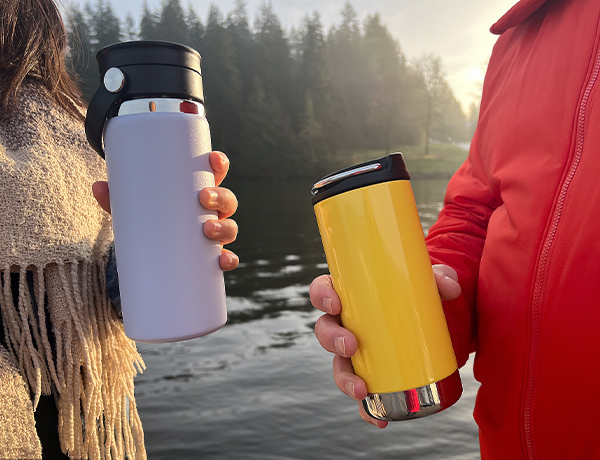
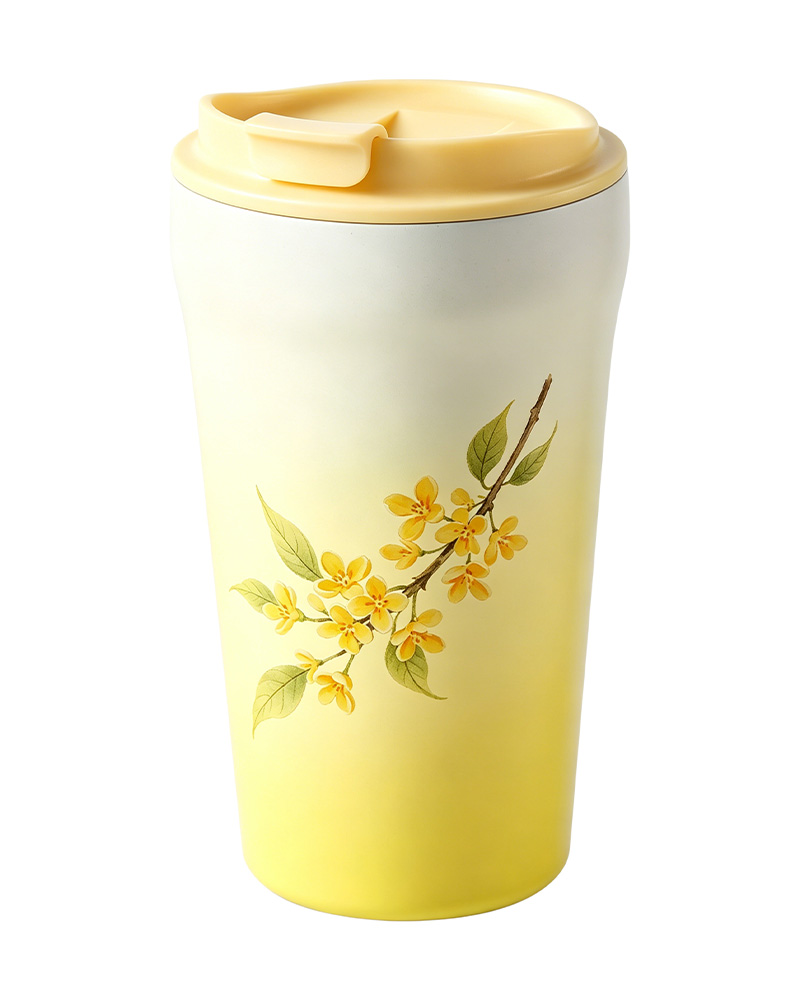
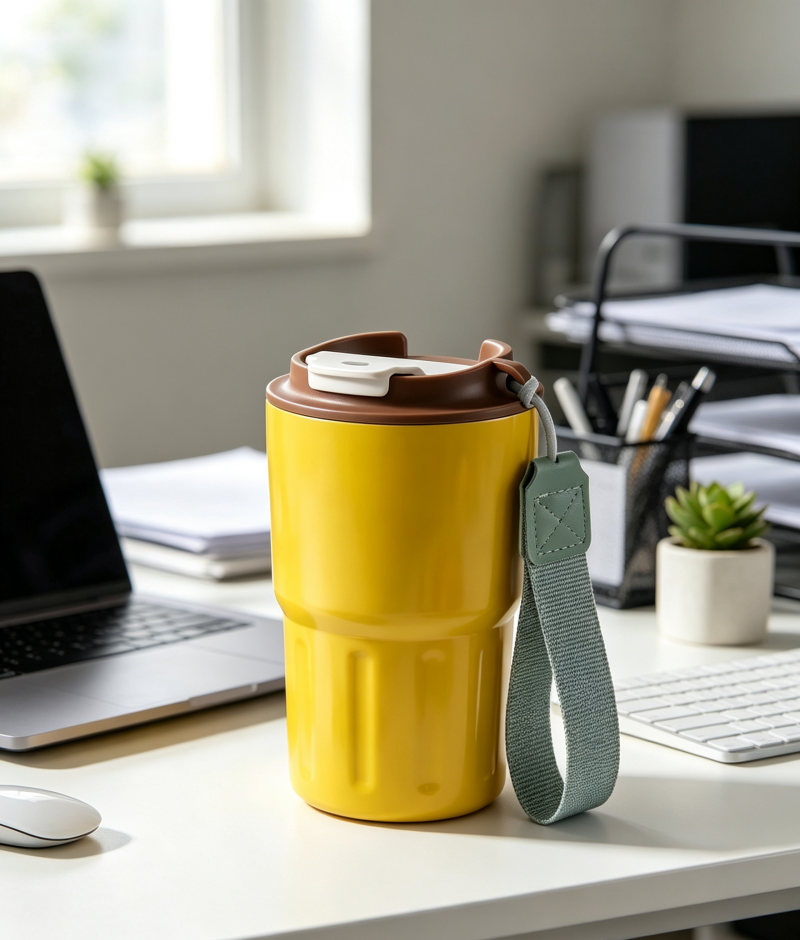
In real use, performance is not a fixed result. A Large Capacity Insulated Bottle often behaves differently depending on how it is handled throughout the day. The same bottle placed on a desk can feel steady, yet when it is carried around and opened repeatedly, the internal condition shifts in a slightly different rhythm.
The key factor is not only insulation itself. Usage habits quietly shape the outcome. Each time the lid is opened, a small exchange with the outside environment happens. It is brief, but it adds up when repeated.
Some situations tend to feel more stable than others. A quieter setting, fewer interruptions, and longer gaps between use usually create a more consistent experience. On the other hand, frequent movement between spaces introduces small variations that are harder to notice at first but become clearer over time.
A few practical elements often come into play:
- How often the bottle is opened during the day
- Whether it stays in one place or moves frequently
- The type of liquid and how it reacts over time
- The time between each drink
Even how much liquid is inside changes the feel. A partially filled bottle moves more internally during walking or transport, while a fuller one tends to stay more stable in comparison.
How Does Vacuum Structure Affect Large Capacity Insulated Bottle Performance
Inside the bottle wall, there is a thin separated space that slows down heat movement. In a Large Capacity Insulated Bottle, this structure matters more simply because there is more surface area involved, so small differences become easier to notice.
Heat does not move in one straight direction. It tries to travel through contact points between materials. The vacuum layer interrupts that path. It reduces direct transfer between inner and outer walls, which helps slow down temperature change.
Still, the body is not the only part that matters. The upper section, especially around the opening, behaves differently. That area is used more often, so it is exposed more frequently than the rest.
Things that tend to influence performance here:
- How stable the inner and outer wall spacing remains
- The tightness when the lid is closed
- The shape of the opening area
- How often the top section is disturbed during use
When everything aligns well, temperature changes feel gradual. If the top section is used a lot, that part can become the main point where small shifts happen first.
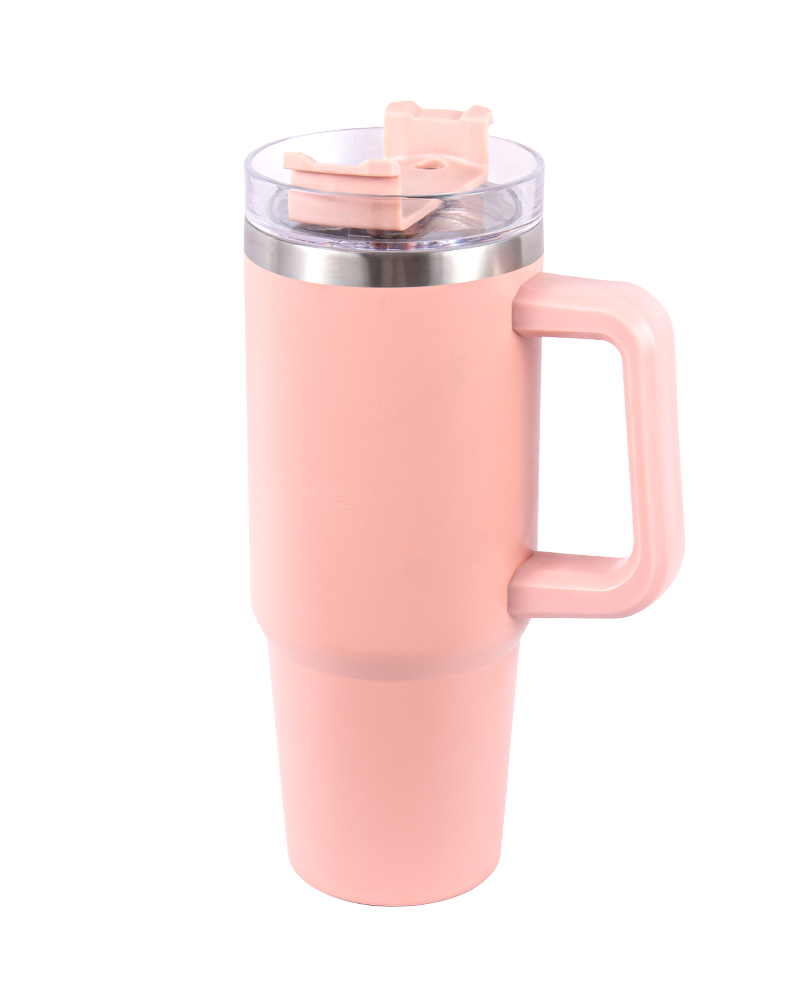
What Makes a Large Capacity Insulated Bottle Keep Temperature Longer
There is rarely a single reason why temperature stays steady. It usually comes from several small conditions working together. A Large Capacity Insulated Bottle behaves more consistently when those conditions are not frequently disturbed.
Opening and closing is one of the most direct influences. Even short openings allow air exchange. It does not cause an immediate change, but repeated actions gradually affect internal balance.
Another detail is timing. Some people close the lid immediately after drinking, while others leave it open a bit longer. That small difference changes exposure time.
The liquid inside also matters. Some drinks hold their condition more steadily, while others shift faster depending on composition and mixture.
In daily situations, the following points are often noticed:
- How long the bottle stays open each time
- How often it is used in short intervals
- How full it is during use
- How much the surrounding environment changes
When usage is calmer and less frequent, internal conditions tend to remain more steady without much effort. In more active routines, small changes build up gradually, even if they are not obvious at the moment.
Which Capacity Works Best for Large Capacity Insulated Bottle Users
Capacity is usually decided by how the bottle fits into daily movement rather than a fixed preference. A Large Capacity Insulated Bottle can feel very different depending on whether it stays nearby or travels with the user.
Some people stay in one place for long hours and drink slowly over time. Others move between locations and need access without frequent refilling. The same size can feel suitable in one case and slightly inconvenient in another.
| Usage pattern |
What happens in real use |
What people usually notice |
| Desk routine |
Bottle stays in one place most of the time |
Less interruption during drinking |
| Outdoor time |
Continuous movement and longer carrying |
Weight becomes noticeable after a while |
| Travel use |
Refilling is not always available |
Planning ahead becomes important |
| Vehicle use |
Short stops and repeated use |
Placement and stability matter more |
The feeling of suitability often changes after actual carrying experience. A bottle may feel light when empty, but once filled, the way it is handled in daily movement becomes the real deciding factor.
Weight is not always a problem, but it does influence how often the bottle is carried versus placed down during the day.
Why Does Weight Matter in Large Capacity Insulated Bottle Comfort
Once a bottle is filled, the experience changes quite quickly. A Large Capacity Insulated Bottle can feel easy to handle when empty, but the moment it is full, the way it sits in the hand or moves inside a bag becomes more noticeable.
It is not only about how heavy it is. The way that weight is placed across the bottle body matters just as much. A taller shape can feel slightly more top-heavy, especially when walking or turning quickly. That kind of imbalance is not dramatic, but it can be felt over time.
In daily use, people usually notice it in small moments rather than all at once. Picking it up from a desk, putting it back into a bag, or carrying it for a longer walk all reveal slightly different feelings.
A few situations where weight becomes more obvious:
- Lifting it repeatedly during short breaks
- Carrying it while walking for longer periods
- Holding it with one hand while moving
- Storing it in a shoulder bag or backpack
Comfort often comes from how predictable the movement feels, not just from the number itself.
How to Test Leak Resistance in Large Capacity Insulated Bottle Design
Leak behavior is usually not seen in a perfect position, but in slightly messy ones. A Large Capacity Insulated Bottle may seem stable on a table, yet the real question is what happens when it is turned, shaken a little, or placed inside a bag with other items.
Inside a bag, there is constant small pressure from surrounding objects. Books, devices, or clothing can press against the bottle from different sides. These are the moments where sealing design quietly shows its limits or stability.
Repeated use also plays a role. Opening and closing the lid every day creates small changes over time. Even when nothing looks different, the fit between parts can slowly shift.
Things that usually matter in real use:
- How the lid behaves when the bottle is tilted
- Whether movement inside a bag causes any moisture
- How the seal responds after repeated daily use
- Whether pressure from outside objects affects closure
Leak performance is often judged not in ideal conditions, but in these small, unplanned moments.
What Design Improves Drinking Flow in Large Capacity Insulated Bottle
Drinking flow is something people notice without thinking too much about it. When it feels smooth, it goes unnoticed. When it feels uneven, it becomes obvious immediately. A Large Capacity Insulated Bottle often shows different flow behavior depending on the opening shape and internal air movement.
Some bottles release liquid in a steady line, while others feel slightly interrupted, especially when tilted at different angles. That difference is usually linked to how air moves back into the container while liquid goes out.
The lid structure also plays a quiet role. If opening is too narrow or airflow is restricted, the liquid may not come out evenly. This becomes more visible during walking or quick use, when hand movement is not perfectly steady.
Key aspects that affect flow:
- Shape and width of the drinking opening
- How air enters while liquid exits
- Stability of the lid when partially open
- Resistance felt during tilting
Flow experience is often built from repetition. A small uneven moment repeated many times becomes something users remember.
How to Keep Large Capacity Insulated Bottle Clean and Odor Free
Cleanliness is not only about washing, but also about how the bottle is used day after day. A Large Capacity Insulated Bottle may hold different drinks over time, and each type leaves a slightly different trace inside.
Water is usually simple to maintain, but drinks like tea or coffee tend to leave light residue. These traces are not always visible at first, but they can slowly build up if the cleaning routine stays the same.
The structure of the lid matters as well. Some parts are easy to rinse, while others have tighter spaces where moisture can stay longer. That is usually where odor starts to appear over time.
A few practical habits often make a difference:
- Rinsing soon after switching between different drinks
- Allowing the bottle to dry with the lid open
- Paying attention to inner lid areas during cleaning
- Avoiding long storage with liquid still inside
| Usage condition |
Cleaning behavior |
What tends to happen over time |
| Water only use |
Simple rinse is usually enough |
Low residue build-up |
| Tea or coffee use |
Needs more regular cleaning |
Light staining may appear |
| Mixed beverages |
Requires attention to lid area |
Residue may collect in small gaps |
| Irregular use |
Drying time becomes important |
Moisture can linger longer |
In practice, most odor issues are linked more to drying and storage habits than to the material itself.

 English
 Español