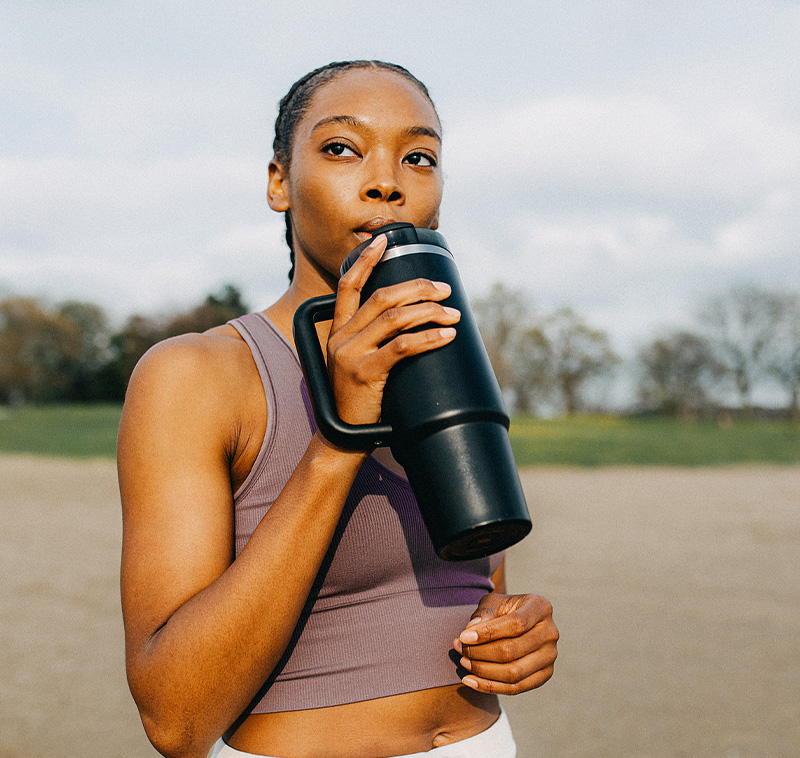
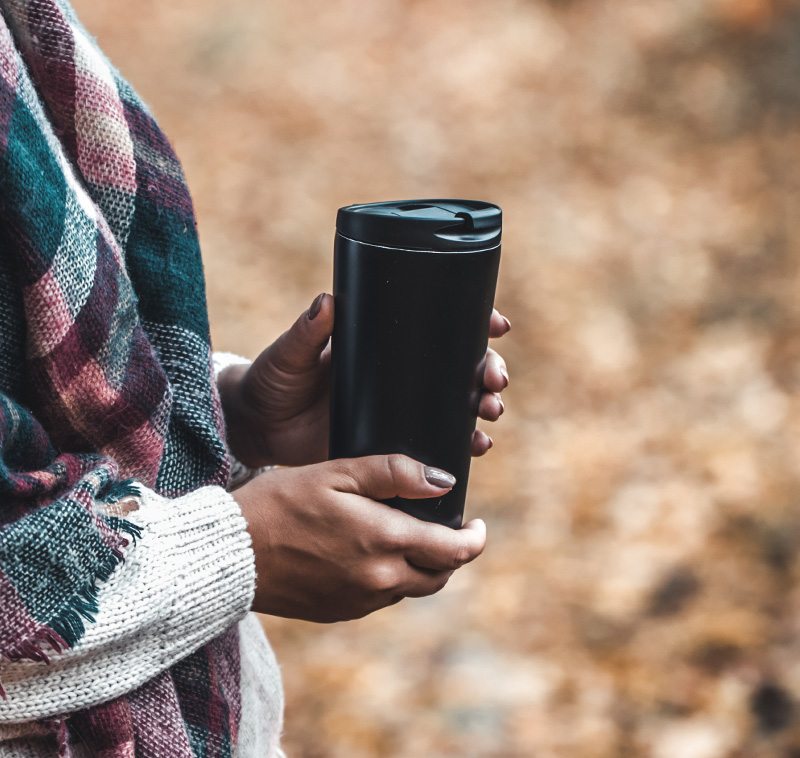
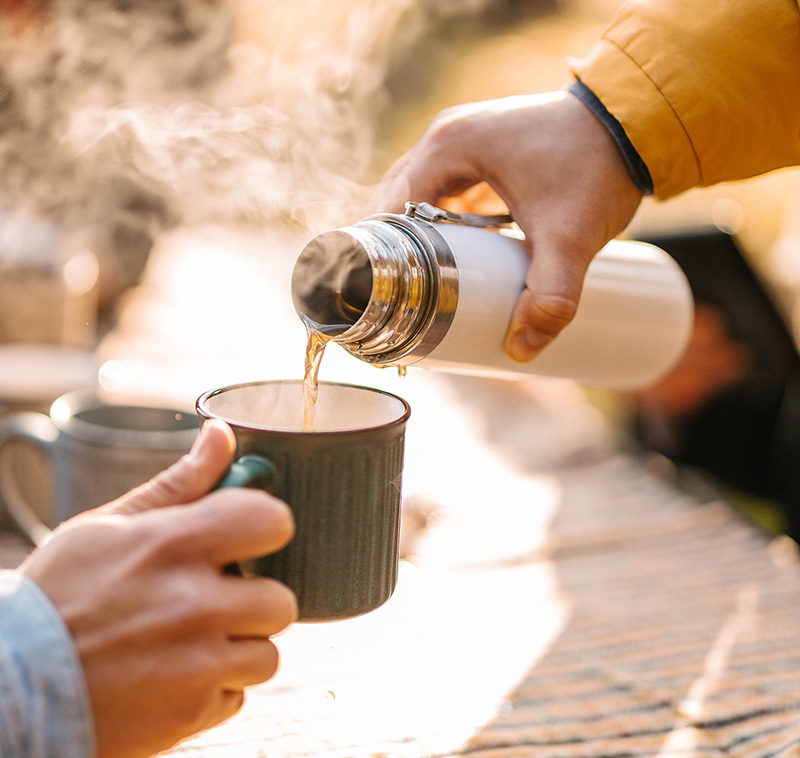
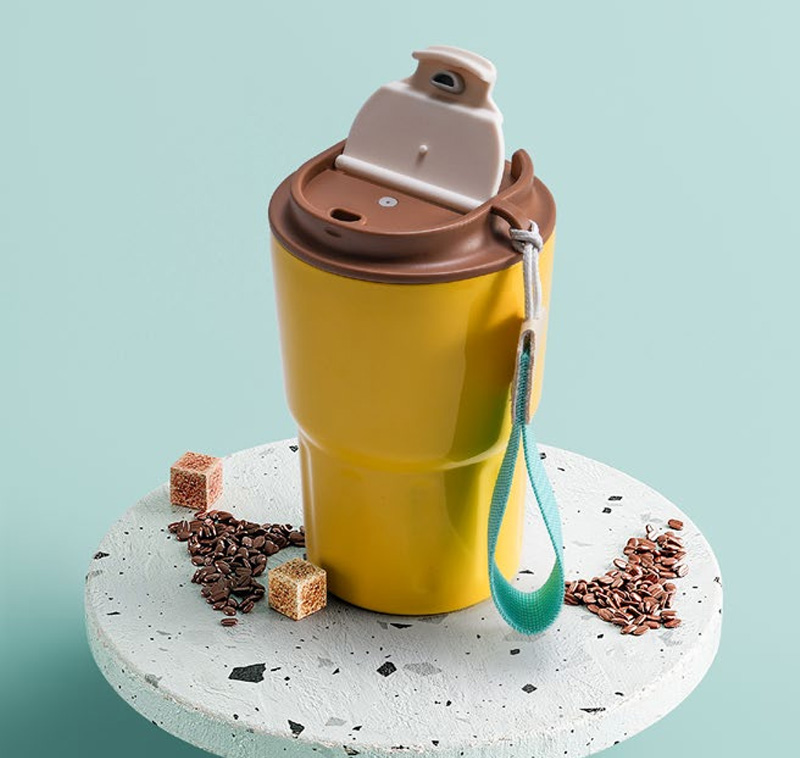
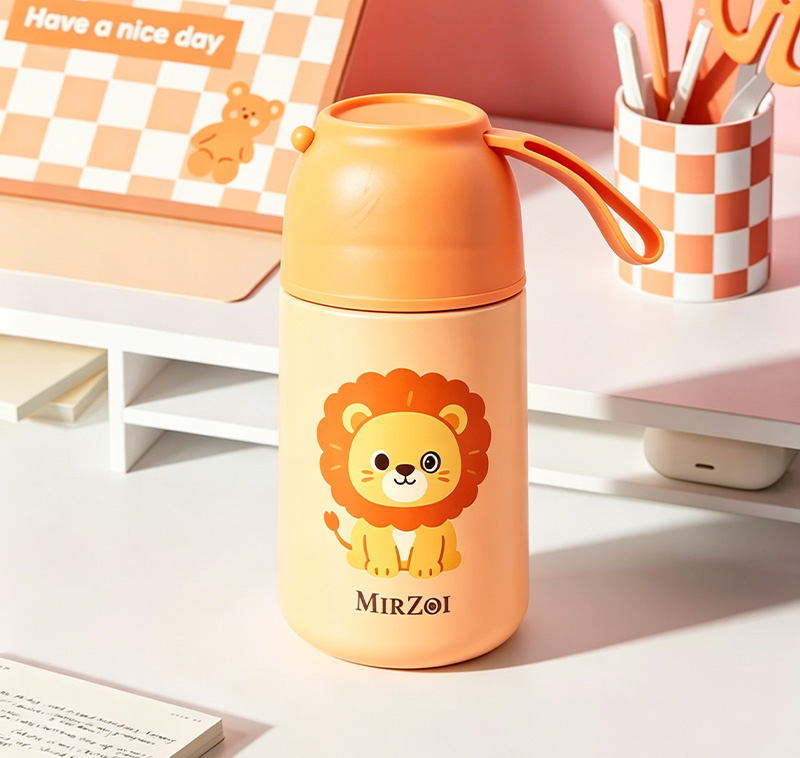
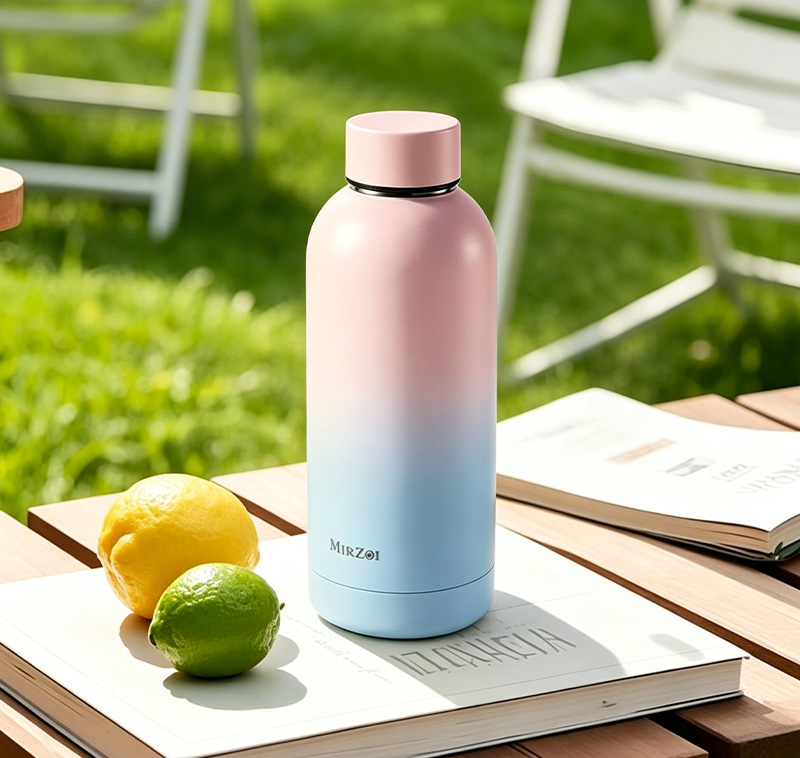
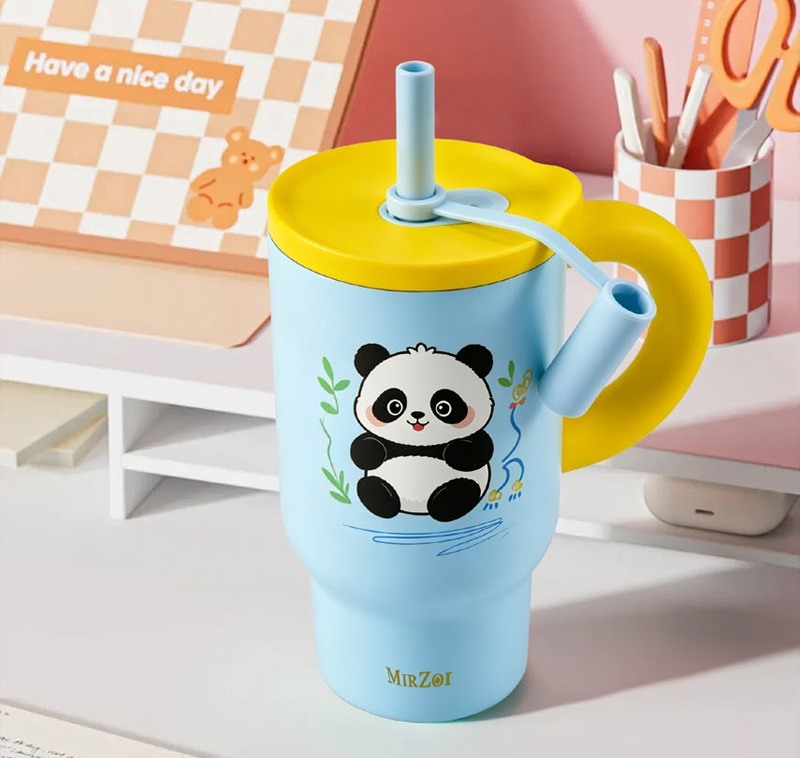
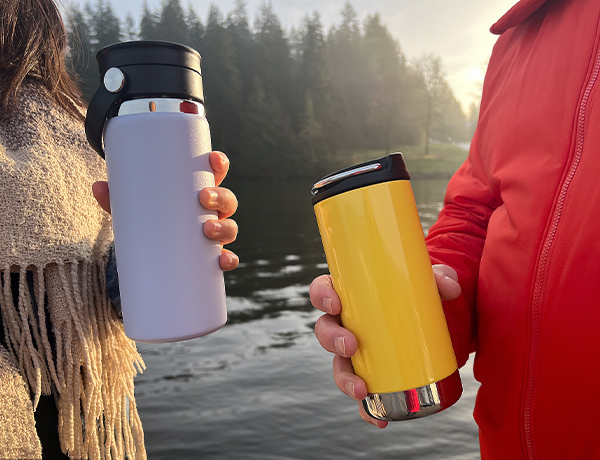
Outdoor activities tend to bring shifting environments, stretches of time away from convenient facilities, and different expectations around how people drink water throughout the day. Whether someone's walking a trail, settled at a campsite, riding somewhere on two wheels, or working through a fitness routine, having a bottle that actually fits the situation shapes how easily hydration gets handled without becoming a distraction.
An Outdoor Sports Insulated Bottle gets built around exactly these kinds of situations. It's not purely about holding liquid — it's about how the container fits into movement, storage, temperature shifts, and the small habits people fall into without thinking much about them. Shape, material, lid design, and internal structure all play into how someone actually uses it once they're out doing something.
For the person carrying it, picking a suitable bottle means looking past how it looks on a shelf. A bottle that feels fine on a short outing might feel completely different a few hours into a longer trip. Weight, how it's carried, how easy it is to clean, and personal drinking habits all factor into whether a choice actually holds up.
For manufacturers and suppliers, understanding these details is what lets a product genuinely fit different outdoor lifestyles rather than just looking the part. From how materials get chosen through to how a batch gets produced, every decision along the way connects back to how someone eventually interacts with that Outdoor Sports Insulated Bottle out in the field.
Why Do Outdoor Enthusiasts Choose an Outdoor Sports Insulated Bottle for Different Activities
Outdoor activities differ quite a bit from one another. Someone gearing up for a hike might care most about how comfortable a bottle feels to carry over distance, while someone heading out cycling probably cares more about quick access and easy handling mid-ride. Because these needs pull in different directions, outdoor bottles tend to get designed around fairly specific usage patterns rather than one generic template.
A regular bottle might handle everyday situations just fine, but outdoor settings tend to introduce extra friction. People often need their drink to stay reasonably comfortable to consume while moving between spots, and they usually need something that actually fits inside a backpack, an outdoor bag, or whatever storage space a vehicle offers.
A lot of outdoor users end up choosing an insulated design for fairly practical reasons — keeping drink temperature steady during movement, cutting down on how often drinks need replacing, fitting into different outdoor routines, having something reusable across repeated trips, and generally being easier to carry than bulkier containers.
Different activities really do shape different expectations.
| Outdoor Activity |
Common Bottle Considerations |
| Hiking |
Comfortable carrying, workable capacity, easy storage |
| Camping |
Extended use, simple cleaning, stable placement |
| Cycling |
Easy grip, quick drinking access, compact shape |
| Travel |
Leak prevention, portability, everyday convenience |
The relationship between a person and their bottle really comes down to these small, easy-to-overlook details. A good Outdoor Sports Insulated Bottle doesn't just get pulled out when someone's thirsty — it quietly becomes part of how they organize the whole outdoor experience around them.
For manufacturers, this means product development has to account for actual user habits rather than leaning purely on visual design. Outdoor gear generally needs to balance how it looks against how it functions and how comfortably it handles in practice.
How Does an Outdoor Sports Insulated Bottle Keep Drinks Ready During Long Outdoor Activities
Temperature control sits near the top of the list for why people reach for an insulated bottle in the first place. During outdoor activities, drinks get affected by ambient conditions, how the bottle's stored, and how often the lid actually gets opened throughout the day.
The structure behind an Outdoor Sports Insulated Bottle helps slow down how quickly temperature shifts happen. Most designs rely on multiple layers that create a barrier between the liquid inside and whatever's happening outside the bottle.
A handful of factors shape how well this plays out day to day — how often the lid gets opened, where the bottle sits between uses, what the surrounding weather looks like, what temperature the drink started at, and how well the sealing components are holding up.
A fairly common misconception is that the bottle alone decides temperature performance from start to finish. In practice, user habits carry just as much weight. Opening the lid repeatedly during a long outing lets outside air in each time, which gradually affects what's inside regardless of how well-built the bottle itself is.
Lid design plays a meaningful role here too. A secure lid cuts down on unwanted leaks and makes carrying noticeably easier. Different users tend to prefer different opening mechanisms depending on what they're actually doing at the time.
| Design Element |
Influence on User Experience |
| Bottle wall structure |
Slows down temperature change |
| Lid design |
Shapes drinking convenience and sealing |
| Bottle opening size |
Affects filling and cleaning |
| Exterior shape |
Changes how comfortable carrying feels |
For most outdoor users, the point isn't simply keeping something hot or cold in some abstract sense. It's having a drinking option that reliably keeps pace with the rhythm of whatever activity they're actually doing.
What Should You Consider When Choosing an Outdoor Sports Insulated Bottle for Hiking and Camping
Picking a bottle for hiking or camping really means thinking through the entire trip, not just the moment of purchase. A bottle that seems reasonable in a store can feel very different after being carried for several hours straight.
Capacity tends to be one of the first things people weigh. A smaller bottle carries more easily, while a larger one cuts down on how often someone needs to stop and refill. What actually works best depends on how long the activity runs, how much carrying space is available, and personal drinking habits built up over time.
Weight matters just as much. Outdoor gear usually gets carried together as a set, so every individual item needs to fit comfortably into the broader load someone's hauling around.
Before settling on a bottle, it helps to think through where it'll actually be carried, how often it'll get used, whether hot or cold drinks matter more, how easy it is to clean once the trip's over, and whether its shape actually fits existing bags or bottle holders already in use.
Camping in particular tends to bring stability into the conversation too. An Outdoor Sports Insulated Bottle that stands securely on uneven ground or a picnic table tends to be genuinely more convenient during outdoor breaks than one that tips over at the slightest bump.
For hiking and camping specifically, practical design usually matters more than decorative touches. The bottle should support the activity rather than turning into one more thing to manage.
Which Features Make an Outdoor Sports Insulated Bottle Easier to Carry During Sports Activities
Outdoor sports involve pretty constant movement, and during activities like these, people generally want gear that feels natural to handle without needing much thought.
The shape of a bottle shapes how comfortably someone can hold and store it. A narrower body tends to feel easier to grip on the move, while a wider opening usually makes filling and cleaning a lot less fiddly.
The lid deserves its own attention here too. During cycling, walking, or training, people often prefer a design that allows quick access without a lot of complicated steps standing between them and a sip of water.
Worth considering: comfortable grip areas, straightforward opening and closing, secure sealing, proportions that actually make sense for the activity, and storage that doesn't require awkward workarounds.
A bottle gets picked up and put down constantly during outdoor activities, so small design choices end up mattering a lot more over time than they might seem to at first glance.
Manufacturers often study exactly how people hold, carry, and clean a bottle, since these are things that happen every single day it's in use. Understanding these small behaviors is really what lets a product fit naturally into someone's outdoor routine instead of feeling like an afterthought.
What Materials Are Used in an Outdoor Sports Insulated Bottle and How Do They Affect Usage
Material choice shapes how a bottle feels in hand, how it performs over time, and how gracefully it ages with regular use. For outdoor gear generally, material decisions need to weigh durability, ease of cleaning, and everyday handling all together.
Plenty of insulated bottles rely on metal construction because it strikes a reasonable balance between strength and everyday practicality. Different material choices shift how a bottle feels on the surface, how much it weighs, and how much upkeep it needs going forward.
Worth paying attention to: how well a surface holds up to daily handling, how easily it cleans, how it interacts with different types of drinks, and how comfortable the exterior feels during actual use.
The inner and outer sections of an Outdoor Sports Insulated Bottle carry fairly different responsibilities too. The inner surface is what actually touches the drink, while the outer structure needs to hold up to protection and everyday handling without wearing down quickly.
| Material Consideration |
User Impact |
| Inner surface design |
Shapes cleaning ease and drink experience |
| Outer surface finish |
Affects grip and overall appearance |
| Structural layers |
Support the insulation function |
| Lid materials |
Influence sealing and long term durability |
For manufacturers, material selection ties directly into production methods and what customers actually expect from the finished product. Getting that material combination right helps a bottle fit comfortably across different markets and outdoor uses without needing constant redesign.
How Do Manufacturers Create an Outdoor Sports Insulated Bottle for Different Outdoor Needs
Building an insulated bottle involves several stages of planning before anything reaches production. Development usually starts by figuring out who's actually going to use the bottle and in what setting.
Different markets tend to call for different approaches here. Some buyers focus purely on outdoor sports use, while others need something that works just as well for travel, work, or general daily life.
Manufacturers generally think through product structure, material selection, how users actually handle the bottle day to day, surface treatment, packaging needs, and how quality gets checked before shipping.
These design decisions rarely exist in isolation from each other. Shift the shape of a bottle even slightly, and carrying comfort changes along with it. Adjust the lid structure, and cleaning or sealing performance shifts too.
For suppliers, staying in close communication with customers matters just as much as the technical side. Understanding order specifics, customization requests, and intended use is really what lets a factory produce an Outdoor Sports Insulated Bottle that actually matches a specific application rather than a generic template.
Manufacturing something like this isn't only about producing a container that holds liquid — it's about connecting design decisions to the real situations where people end up using the product day after day.
What Details Should Buyers Check Before Ordering an Outdoor Sports Insulated Bottle From a Supplier
For buyers and brands, choosing a supplier takes more than glancing at product photos and moving forward. A workable partnership depends on clear communication and a genuinely detailed evaluation up front.
Before placing an order, it's worth reviewing material requirements, product specifications, available customization options, packaging needs, how production communication actually flows, and what methods get used for quality checks along the way.
A supplier worth working with should be able to explain product details clearly and hand over information that actually helps buyers make a decision, rather than leaving things vague.
For B2B buyers specifically, understanding a factory's manufacturing capability matters just as much as the product spec sheet. Different markets often carry different expectations around design, function, and overall appearance, so knowing what a supplier can realistically deliver avoids surprises later.
The purchasing process tends to go a lot more smoothly once both sides genuinely understand what's actually being asked for and what's realistically achievable.
How Can Users Maintain an Outdoor Sports Insulated Bottle for Longer Daily Use
Regular upkeep is really what keeps a bottle suitable for repeated outdoor use over time. Cleaning habits and how the bottle gets stored between uses both shape the day-to-day experience more than people usually expect.
After use, it helps to pay attention to spots that tend to collect residue quietly, especially around the lid and the opening itself. Proper cleaning here helps avoid lingering smells and keeps an Outdoor Sports Insulated Bottle genuinely ready for whatever comes next.
Worth building into a routine: cleaning thoroughly after flavored drinks, letting the bottle dry fully before storing it away, checking sealing parts every so often, avoiding leaving leftover drink sitting inside for long stretches, and generally sticking to cleaning methods suited to the bottle's materials.
A bottle like this becomes part of someone's everyday outdoor kit rather than a one-off purchase. Taking a little care with it is really what lets people keep using it comfortably across trip after trip, without it wearing out faster than it should.
Across outdoor adventures and everyday routines alike, the real value of an Outdoor Sports Insulated Bottle comes down to how well it matches what someone actually needs, how thoughtfully it's been designed, and how well it holds up to daily habits over time. The connection between material, manufacturing, and real-world use is really what shapes how people experience outdoor drinking gear in practice.

 English
 Español