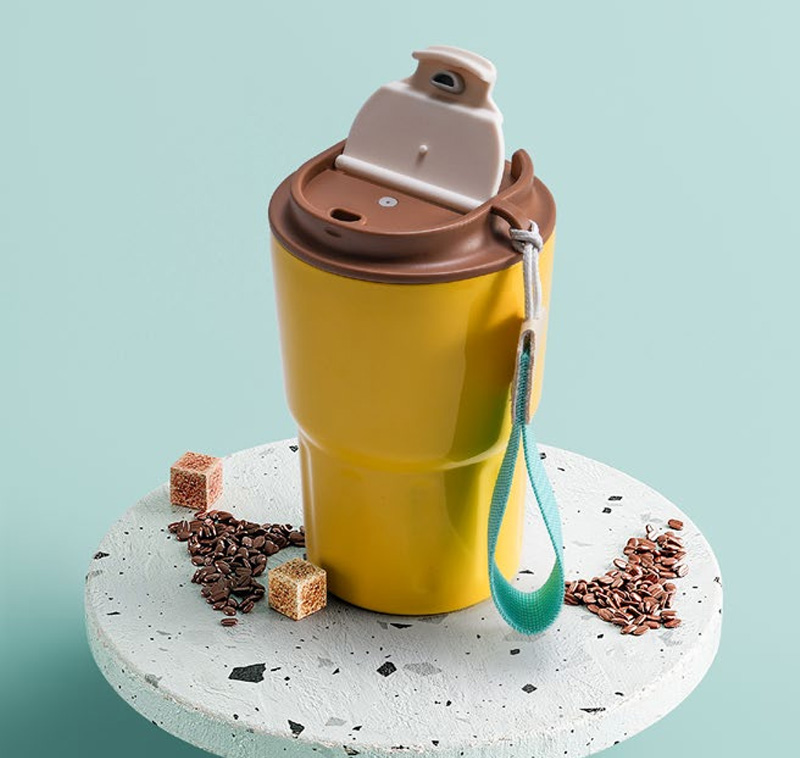
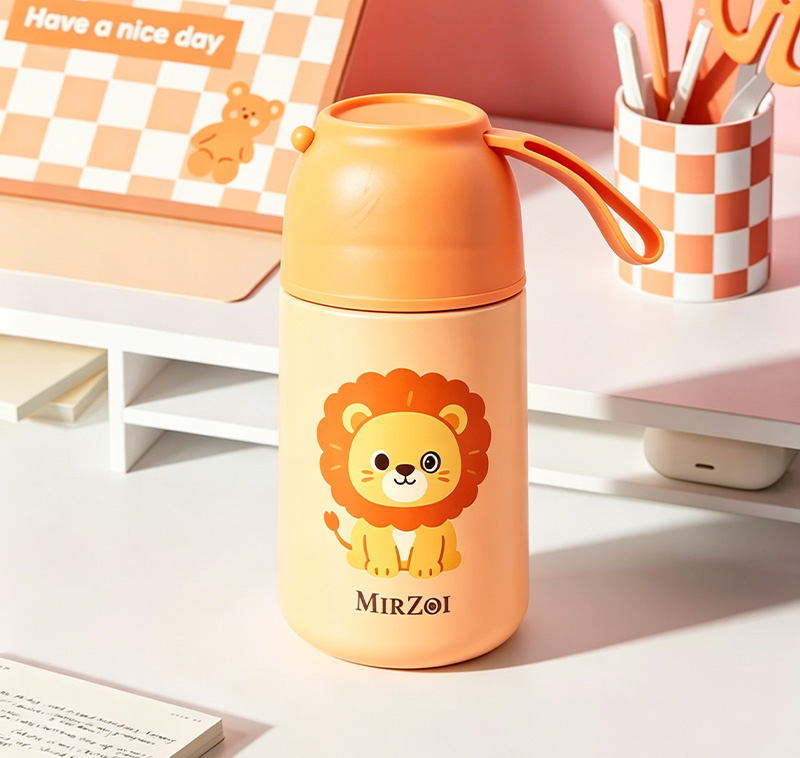
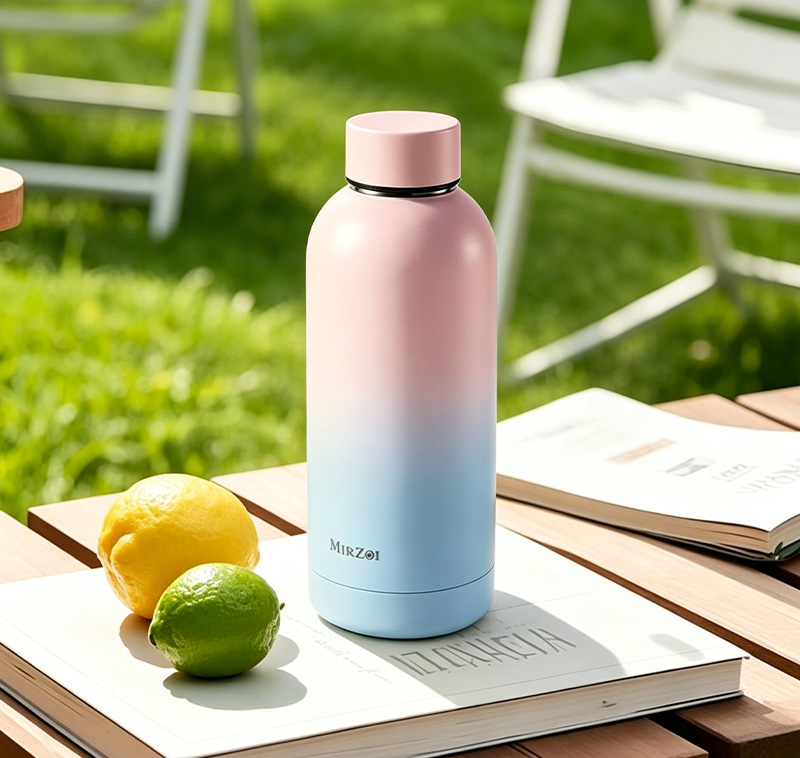
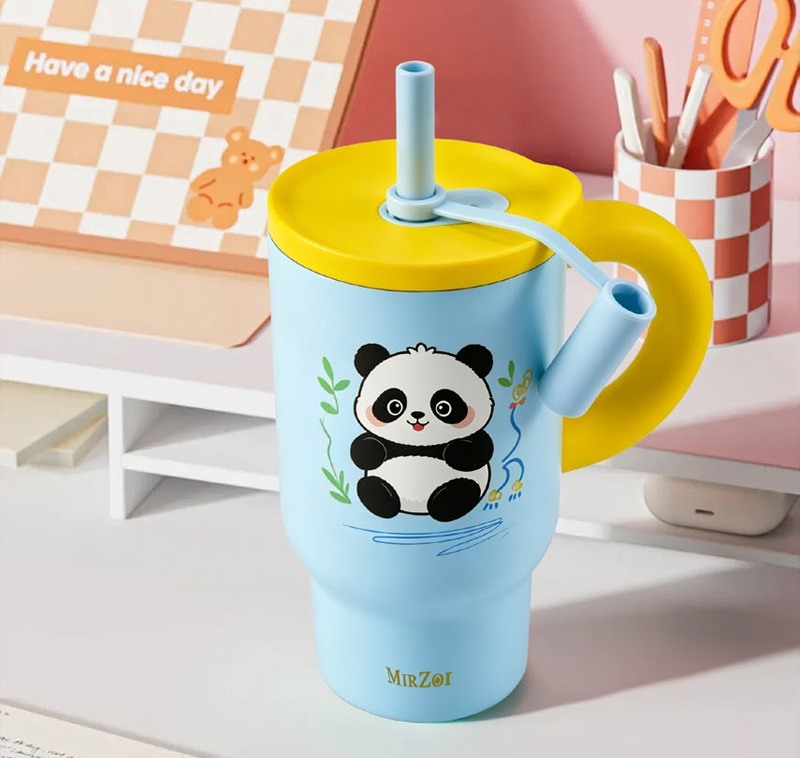
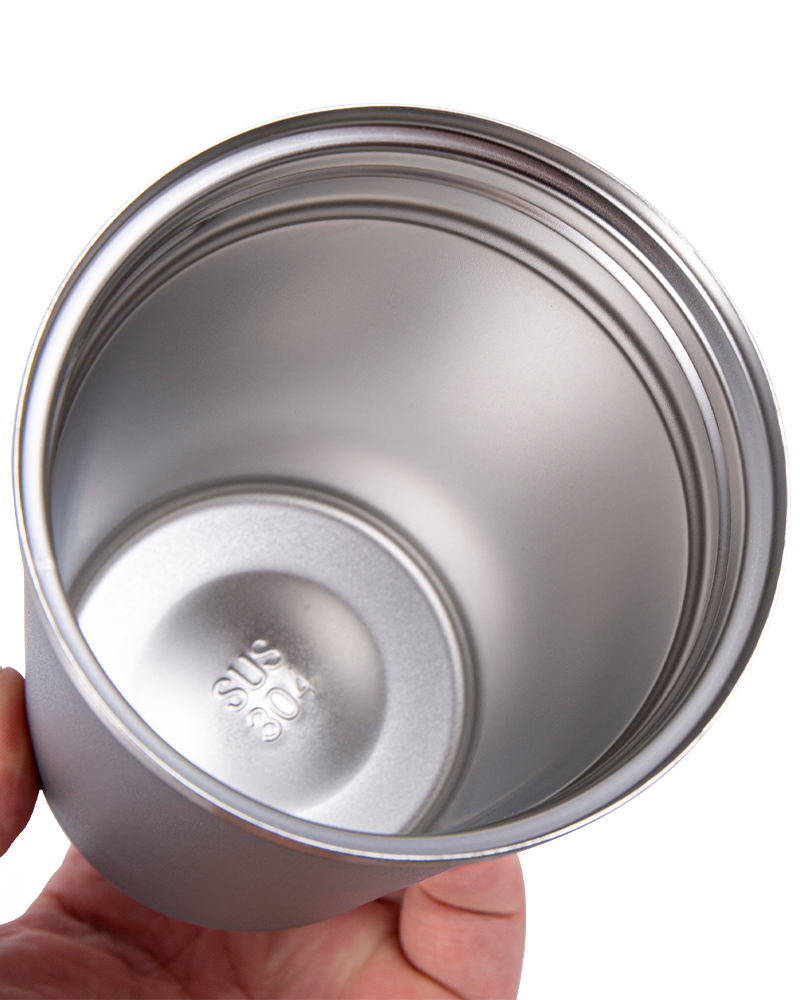
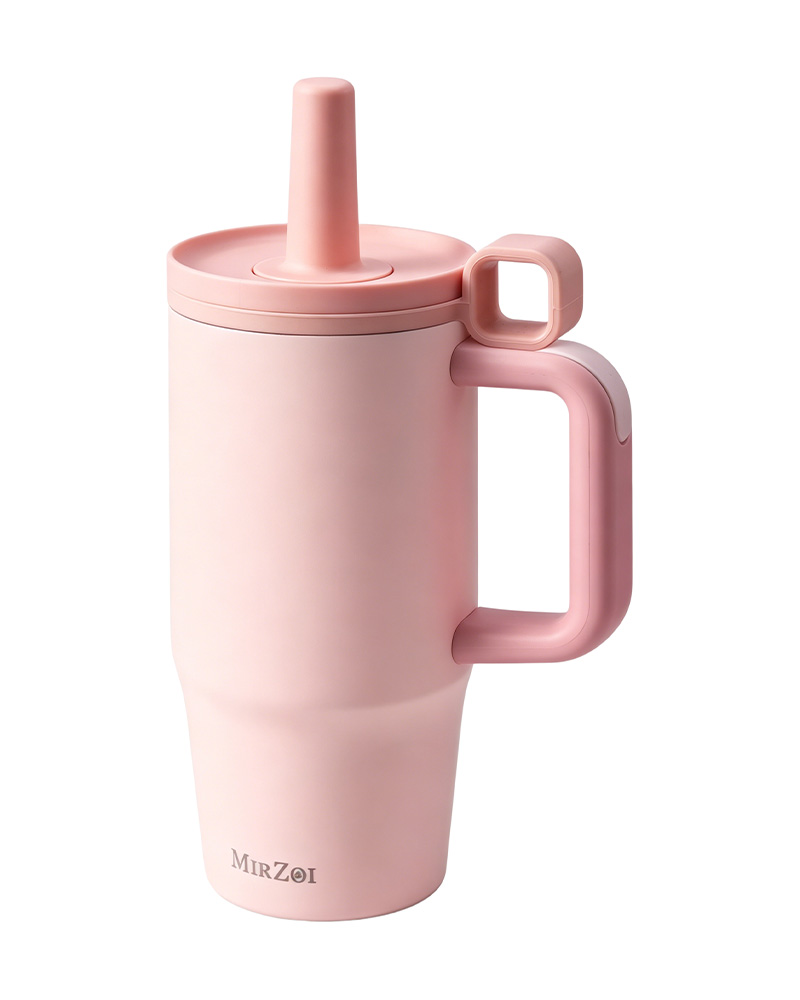
When a buyer looks at a finished tumbler, the visible part is only one layer of the story. Behind the shape, finish, lid fit, and daily use is a chain of decisions that starts with material selection and ends with packing. An Insulated Tumbler Factory is where those steps come together. The work is not only about making a cup that looks clean on the outside. It is also about shaping a product that holds its form, fits its lid, feels steady in the hand, and stays consistent across repeated orders.
For brands, importers, and private label teams, the real question is often not whether a cup can be made, but how it can be made in a way that matches the intended use. A travel cup, office cup, outdoor cup, or gift item may all need a different balance of wall structure, finish, color, and lid style. That is why the path from idea to finished product matters as much as the product itself. The sections below move through that path in order, from buyer planning to final checks.
What Buyers Should Know Before Choosing an Insulated Tumbler Factory for Bulk Orders
Before a bulk order starts, the buyer needs a clear picture of what the supplier can handle and where the limits are. A cup that works for a casual retail shelf may not fit a corporate gift project. A product that suits a short run may need a different setup for repeat supply. That is why early communication matters.
A capable Insulated Tumbler Factory usually needs a clear brief about size style, lid type, finish expectation, packaging needs, and intended market. When those points are vague, the result can be delay or extra sample rounds. When they are clear, the production path is easier to manage.
| Buyer Focus |
What to Check |
Why It Matters |
| Product Fit |
Shape, use case, lid style, carrying comfort |
Helps the cup match the intended customer |
| Material Plan |
Inner wall, outer wall, coating, surface feel |
Affects handling, appearance, and use |
| Sample Path |
Sample timing, revision process, approval steps |
Reduces confusion before bulk work begins |
| Order Flow |
Production plan, packing method, change control |
Helps keep the order process organized |
| Communication |
Response clarity, design review, file handling |
Helps both sides avoid repeated corrections |
A buyer does not need to know every production detail at the start, but the main direction should be settled early. When the request is specific, the factory can judge whether the project is practical, where adjustments may be needed, and which parts of the design need closer review.
How Does an Insulated Tumbler Factory Turn Stainless Steel Into Custom Drinkware Products
The starting point is usually a flat material that has to be shaped into a body with clean edges and steady form. From there, the process moves through forming, joining, finishing, and assembly. The result may look simple from the outside, but the path to that point is layered.
A typical production flow begins with material preparation. The metal is checked, cut, and shaped into the inner and outer walls. Those parts are then joined in a way that supports the insulation structure. After that, the body may be cleaned, polished, painted, or coated, depending on the product direction. The lid and any extra parts are prepared separately and then fitted to the body.
In practice, the work usually follows a path like this:
- Material is prepared and cut to size.
- The cup body is formed into its base shape.
- Inner and outer sections are joined.
- The surface is smoothed and cleaned.
- Color, coating, or decoration is added.
- The lid and accessories are checked for fit.
- The finished item moves to inspection and packing.
The order of these steps can vary with the design, but the logic stays similar. The factory has to keep appearance and function in balance. A smooth surface does not matter if the lid fit is weak. A neat shape does not matter if the finishing layer is uneven. Good production work keeps those parts aligned.
Why Does Material Selection Affect the Quality of Insulated Tumblers From a Factory
Material choice changes more than the appearance of the cup. It affects weight, feel, handling, finish stability, and long-term use. Some buyers focus on color first, but the underlying material often decides whether the final product feels light, firm, or balanced in the hand.
The inner wall needs to support direct contact with drinks. The outer wall needs to support the final look and the product's daily handling. Between them is the structure that gives the cup its insulated character. If any part of the material plan is weak, the finished cup can feel less stable or less comfortable to use.
| Material Aspect |
Effect on the Cup |
Buyer Concern |
| Wall Structure |
Affects balance and stability |
Whether the cup feels steady in daily use |
| Surface Finish |
Changes appearance and touch |
Whether the look matches the intended market |
| Coating Choice |
Influences color and surface performance |
Whether the finish stays suitable for daily handling |
| Material Consistency |
Supports repeat production |
Whether later orders match earlier ones |
A buyer does not need to ask for every technical detail, but the material direction should fit the product plan. A cup for office use may need a calm finish and easy cleaning. A cup for outdoor use may need stronger handling and a more durable coating. A gift item may need a cleaner visual effect and more attention to packaging.
Which Production Steps Matter When Making Insulated Tumblers in a Factory
Some steps in production are easy to notice, while others remain hidden inside the process. Both matter. Shape, joining, polishing, and surface treatment all affect how the cup feels and how it holds up in daily use.
The forming stage sets the body shape. If the shape is not controlled well, later steps become harder to manage. The joining stage affects structure and fit. If the connection is uneven, the cup may show small irregularities that are hard to correct later. The finishing stage is where the outer look becomes visible, so it has to be handled with care. Even a simple cup can lose visual balance if the finish is not clean.
A factory also has to manage the transition between steps. Parts should move forward in a controlled way, not in a rushed way. Too much speed can create surface flaws or fit problems. Too much delay can disturb the order flow. Good process control is not about moving faster for its own sake. It is about keeping the sequence stable enough that the next step starts from a clean base.
At this stage, the buyer usually sees the product logic more clearly. A cup is not only a shell. It is a set of related choices that have to work together from the first forming step to the final assembly.
How Does an Insulated Tumbler Factory Manage Custom Designs From Samples to Production
Custom work usually starts with a draft, a picture, or a clear reference from the buyer. That input is then turned into a sample path. The sample is the point where shape, color, lid fit, and surface feel can be reviewed before a larger order begins. When the sample is handled carefully, later production becomes easier to guide.
A sample is useful because it reveals practical issues that are hard to judge from a file alone. A handle may feel too narrow. A lid may sit differently than expected. A finish may look fine on screen but read differently in hand. The sample stage gives room to correct these points while changes are still manageable.
When working with an Insulated Tumbler Factory on custom cups, buyers usually benefit from keeping the design brief tight and clear. A stable brief helps the factory decide what needs a new mold approach, what can use an existing structure, and what may need adjustment before bulk work starts. Small changes can matter here, so it is better to settle the key points early rather than keep shifting them during production.
A practical custom flow often looks like this:
- Send the design goal and use case.
- Review shape, lid, color, and finish options.
- Prepare a sample based on the agreed direction.
- Check the sample for fit, appearance, and handling.
- Confirm revisions before moving to bulk work.
The more carefully this stage is managed, the less likely the project is to drift away from the original plan.
What Quality Tests Does an Insulated Tumbler Factory Use Before Shipping Products
Before packing, the factory has to look at the cup from several angles. Appearance matters, but function matters too. A clean surface is not enough if the lid fit is weak or the body shows visible marks after finishing. Quality review is the step that checks whether the cup is ready to leave the line.
A common review process looks at fit, surface condition, sealing behavior, and packaging integrity. If the lid does not sit correctly, the problem is caught here. If the outer finish has uneven color or dust marks, that is also the time to notice it. If packaging is too loose, the item may travel poorly. Each part of the check protects the work done earlier in the process.
An Insulated Tumbler Factory that treats inspection as part of the production flow, rather than as a last-minute add-on, usually has more control over repeat orders. That does not remove the need for buyer review, but it makes the output more stable.
The buyer can also ask for photo records, sample checks, and packing images. Those materials help confirm that the item seen in approval is the same item moving into shipment. Clear records are useful when the project includes multiple colors, lid types, or packaging versions.
How Can Buyers Check the Manufacturing Process of an Insulated Tumbler Factory
Buyers do not need to visit every step in person to understand the process. A clear factory can explain its flow in a way that shows how work moves from raw material to finished cup. That may include production photos, sample records, packing images, or a walk-through of the sequence used for the order.
A clear Insulated Tumbler Factory should be able to answer practical questions without turning the process into a sales pitch. Buyers usually want to know how the body is shaped, how the finish is applied, how the lid is matched, and how changes are handled after sample approval. Straight answers are helpful because they show how the team works under normal conditions.
A useful review often includes these points:
- How the product moves from sample to bulk work.
- How changes are tracked after approval.
- How matching parts are kept consistent.
- How packaging is chosen for the order.
- How the factory handles order communication.
This review is not about creating pressure. It is about reducing uncertainty. When the process is visible, it becomes easier to judge whether the factory can support the same product direction over time.
Tips for Working With an Insulated Tumbler Factory on OEM and Custom Projects
OEM and custom projects work better when both sides keep the brief organized. The buyer should state the target use, expected look, preferred packaging, and any parts that cannot change. The factory should then reply with practical feedback on what can be done within the chosen structure.
An effective project usually depends on clear file handling and careful revision control. If the artwork changes too often, the sample path slows down. If the packaging direction is unclear, the final order may need extra adjustment. If the use case is not clear, the cup may be designed around the wrong daily situation. The most useful projects are often the ones that stay steady from the first sample through bulk production.
A reliable Insulated Tumbler Factory also helps by explaining where design freedom exists and where structure matters more. Some parts of a cup can be adjusted easily. Others depend on the body shape or the lid fit. When buyers know that difference early, the project becomes easier to manage.
A few practical habits can help the work stay smooth:
- Keep the product brief focused.
- Confirm sample feedback in one clear round.
- Match artwork, color, and packing direction before bulk work starts.
- Leave room for process checks before shipment.
- Keep communication direct and steady.
The final result is usually stronger when the process is treated as a working partnership rather than a one-time transaction. In that setting, the factory is not only making a cup. It is turning a product idea into a form that can be repeated, packed, and used with confidence.

 English
 Español