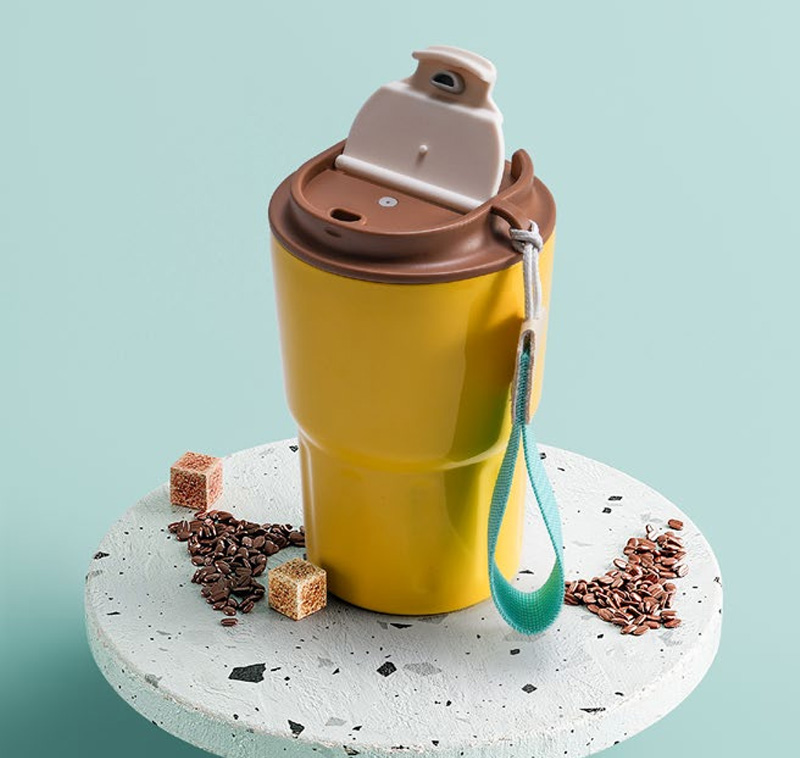
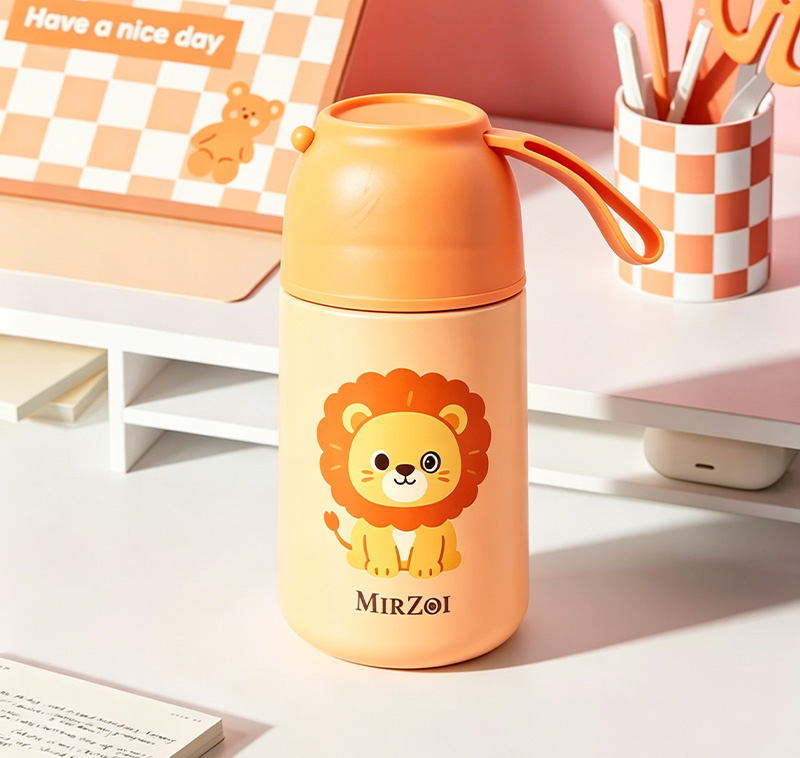
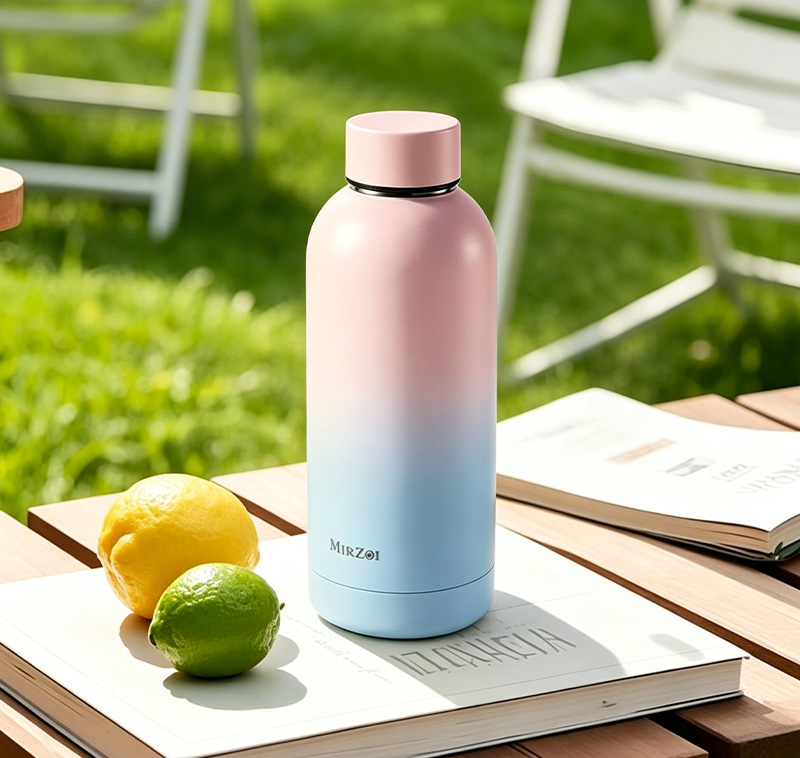
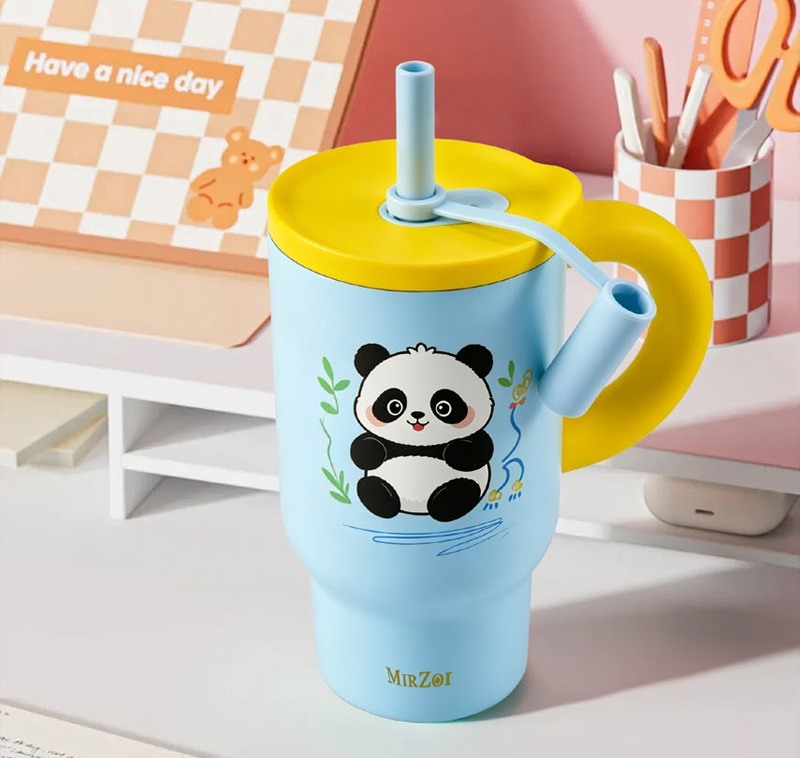
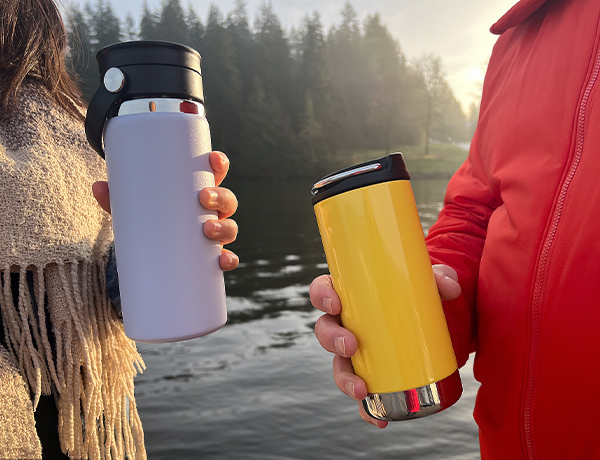
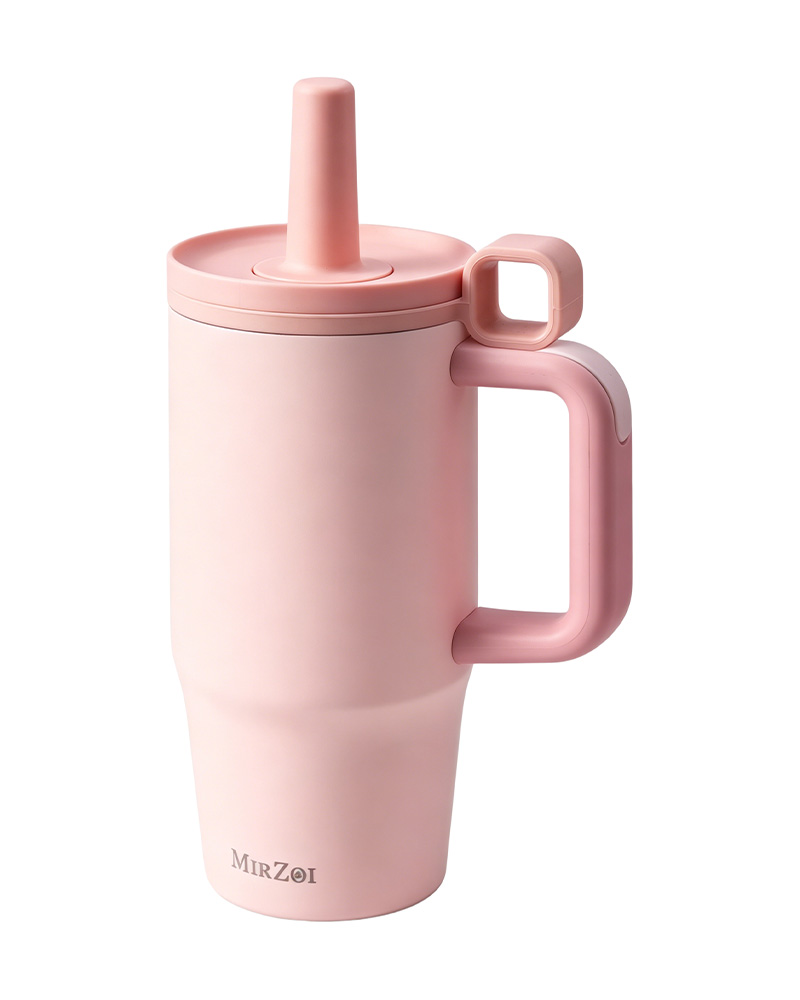
A Stainless Steel Car Cup is often chosen for daily commuting, long road use, and simple day-to-day carry because it brings together convenience, comfort, and a clean drinking experience. For many drivers, the real question is not only whether it holds a drink, but whether it fits the way people move, pause, sip, and store beverages during a busy day. Small details matter here. A lid that opens smoothly, a body that sits well in the car, and an inner surface that is easy to keep clean can shape the whole experience.
For a manufacturer, the value is in more than appearance. Shape, lid structure, wall design, surface finish, and user habits all affect how a cup is received in the market. Buyers often notice these points before they think about style. They may look for something that works in the car, stays comfortable in the hand, and supports hot or cold drinks without adding extra effort. That is why the subject reaches beyond a simple product description. It connects material choice, daily use, and buying expectations in one place.
What Makes a Cup Suitable for Daily Driving and Travel
A Stainless Steel Car Cup needs to work in motion, not only on a desk or kitchen counter. In a vehicle, space is limited, hands are busy, and the driving environment changes from stop-and-go traffic to longer open-road use. A cup that feels easy to place, lift, and drink from can make a noticeable difference.
People usually look for a body shape that sits steadily in a cup holder and a lid that can be handled without much attention. The goal is simple: reduce distraction while keeping the drink accessible. This is especially important for commuters who carry the cup from home to car, then from car to office, then back again. When the design supports that routine, the product feels natural rather than special-purpose.
Travel use adds another layer. A cup may be carried in a bag, placed beside a seat, or used during pauses in a trip. In these cases, the outer shell should feel solid, and the finish should resist everyday wear from handling. A smooth form helps, but so does a shape that is practical enough to use without constant adjustment.
How a Cup Keeps Drinks Hot or Cold During Travel
A Stainless Steel Car Cup is often expected to help drinks stay comfortable for longer, but that depends on the full structure, not just the metal shell. The way the inner and outer walls are arranged, along with how the lid closes, has a direct effect on temperature retention.
When the inner chamber is separated from the outer shell, heat transfer slows down. That means a hot drink does not lose warmth too quickly, and a cold drink does not warm up as fast. For many users, this is enough to make a difference during a commute or a road trip. The lid also matters because it reduces open-air exposure. Even a strong body design can underperform if the lid leaves too much space for heat to escape.
Different drinks react in different ways. Coffee, tea, water, and chilled drinks do not behave the same inside a cup. Some users want a slower release of heat, while others care more about keeping the drink fresh and steady. That is why a practical product should support a range of daily use patterns rather than focus on one narrow case.
A careful manufacturer usually considers the balance between insulation and drinking ease. If the closure is too loose, the user may lose performance. If it is too stiff, the cup becomes harder to use on the move. The right balance creates comfort without turning the cup into a complicated item.
Which Material Choice Supports Safe and Steady Use
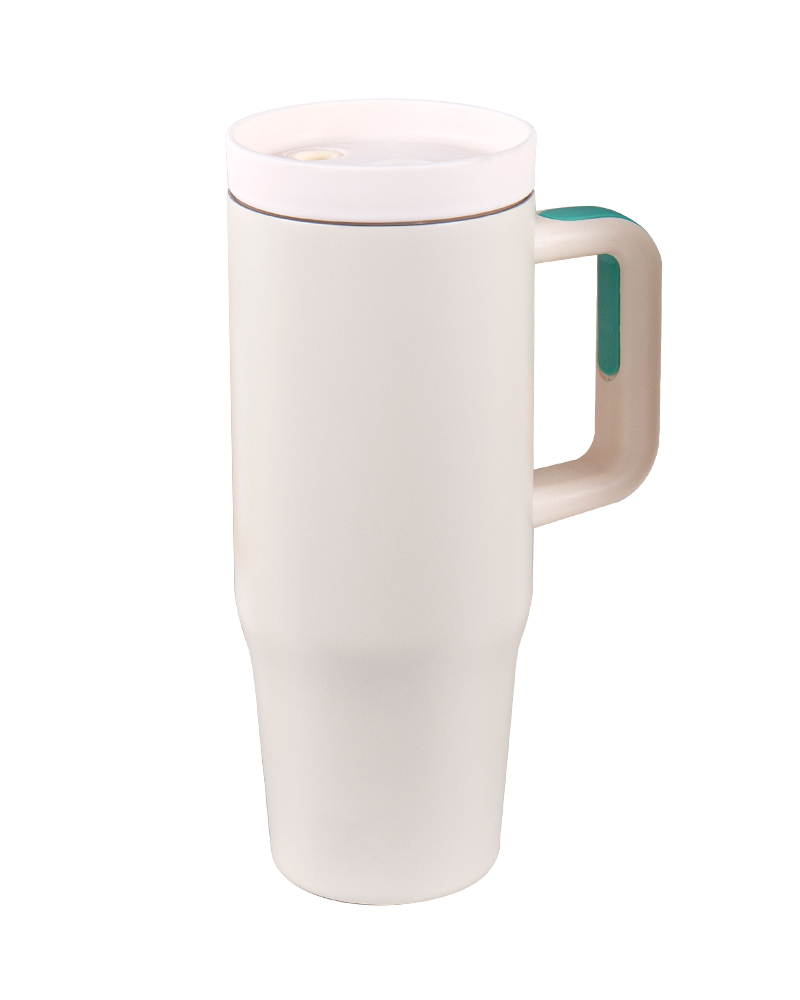
Material choice is one of the earliest points buyers notice once they begin comparing options. A Stainless Steel Car Cup is expected to feel clean, stable, and suitable for regular contact with drinks. That expectation shapes how buyers judge the whole product.
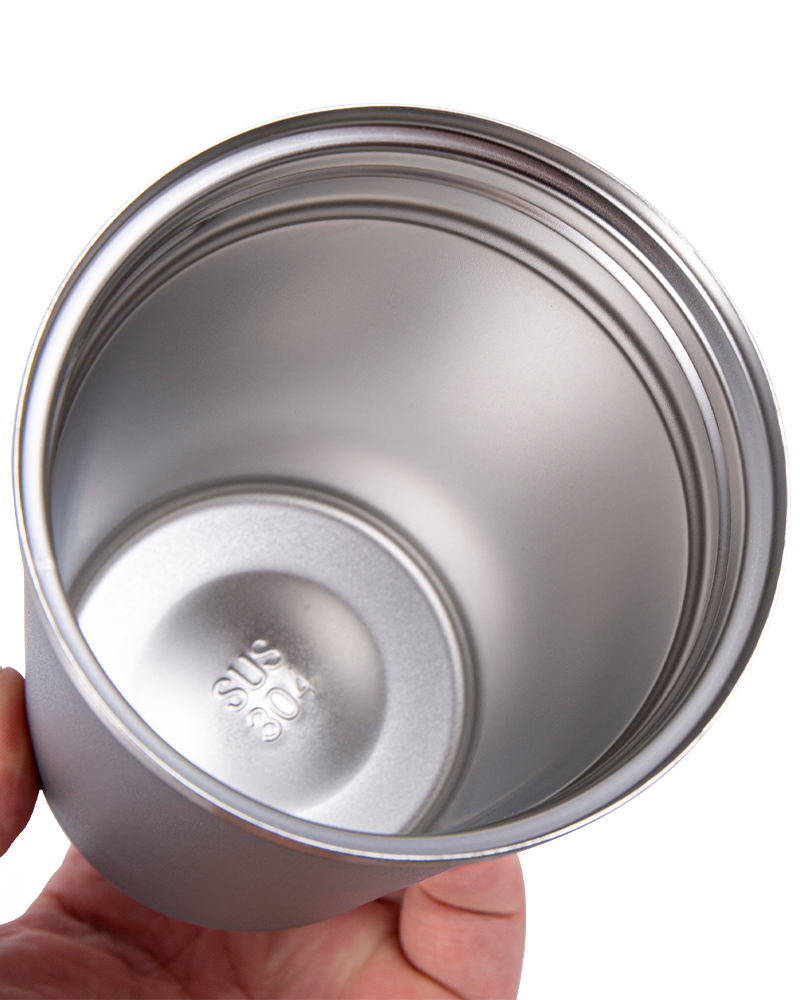
For beverage containers, people generally want a material that does not make the drink feel strange, does not wear out quickly, and does not create concern during everyday use. That is why the material used for the inner and outer layers should be selected with care. The surface should also be smooth enough to support cleaning without much effort. A rough or uneven interior can make maintenance harder over time.
Manufacturers often pay attention to the way the material is processed. Cutting, shaping, welding, and finishing all influence the final result. A cup can only feel dependable when those steps are handled with consistency. The finish around the rim, seam, and base also affects how the cup feels in the hand. Users may not describe these details in technical language, but they notice them quickly.
Another point is how the material works with regular drinks. Tea, coffee, and plain water are common, but many users also switch between different beverages. A stable inner surface helps the cup remain useful across those changes. That makes the product feel more flexible and more suited to daily routines.
How to Match the Size to Different Vehicle Cup Holders
A Stainless Steel Car Cup should fit the car before it fits the hand. That may sound simple, but it is often where many buying decisions begin. Drivers want a cup that stays in place, does not wobble, and does not feel awkward when lifted from the holder.
Different vehicles do not always offer the same interior spacing. Some cup holders are deep, while others are narrow or shallow. A cup with the right body shape can prevent small frustrations during use. If the base is too wide, it may not sit well. If the cup is too tall, it may interfere with nearby controls or storage space. If it is too slim, it may not feel stable enough in the holder.
Here is a simple way to view common size needs:
| Vehicle use pattern |
Cup shape that often works well |
User concern |
| Short daily commute |
Compact body |
Easy to place and remove |
| Family car use |
Medium body |
Balanced fit and comfort |
| Shared vehicle or mixed use |
Adaptable body |
Works across more than one holder style |
| Road travel |
Taller body with stable base |
Less movement during longer trips |
The right fit is not only about the holder. It is also about how the cup feels when the car is moving. A design that limits shifting can improve confidence for drivers and passengers alike. That is why size planning should be treated as part of product design, not as an afterthought.
Why Lid Design Changes the Daily Experience
The lid often decides whether a cup feels simple or frustrating. A Stainless Steel Car Cup may look solid from the outside, but the lid is the part that shapes how the user drinks, closes, and carries it through the day.
Some buyers want quick access. Others want more control and less risk of spilling. Because of that, lid design should match the user's routine. A twist lid can feel secure. A flip lid can make drinking faster. A sliding lid can support a more compact profile. None of these is right for every user. The choice depends on how the cup will be used.
The seal area is also important. If the closed part feels loose, the cup may not give the user enough confidence. If it feels overly stiff, it can be hard to open while sitting in a car. A good design keeps the motion smooth and the closing action clear. The parts should align easily and remain comfortable after repeated use.
Here is a simple comparison of common lid styles:
| Lid style |
Common use |
Practical note |
| Twist lid |
Routine carry |
Secure feel, slower opening |
| Flip lid |
Driving and quick sipping |
Easy access, needs careful sealing |
| Sliding lid |
Compact travel use |
Simple structure, easy to handle |
| Press-close lid |
Mixed daily use |
Convenient, depends on fit quality |
A manufacturer may also need to think about cleaning. A lid with too many hidden corners can trap residue and make care harder. A cleaner structure often supports better user satisfaction over time.
How the Product Is Made From Raw Material to Finished Form
A Stainless Steel Car Cup moves through several stages before it reaches a buyer. Each stage affects the final look, feel, and use. The process is not only about shaping metal. It is about creating a product that is steady, neat, and ready for daily handling.
The first stage is preparing the material. Then comes shaping the body, forming the base, and creating the outer structure. After that, the surface is treated so that it feels smooth and looks consistent. Finally, the lid and body are matched together so the full product works as one unit.
A few points deserve close attention in production:
- The body should stay even in shape and thickness.
- The rim should feel smooth and comfortable.
- The base should support stable placement.
- The lid should match the cup without forcing.
- The finish should stay clean and uniform.
Each of these points affects how the cup behaves in use. A small issue in shaping can lead to a larger issue later, such as poor fit or uneven closing. That is why careful production is important even when the outside design appears simple.
For a manufacturer, the product should look straightforward to the customer while remaining carefully controlled behind the scenes. That balance is often what separates a routine item from one that feels dependable in daily life.
What Brands Should Consider When Customizing the Design
A Stainless Steel Car Cup often serves more than one market. Brands may want a product that fits office use, travel use, outdoor routines, or retail shelves. Customization helps align the cup with those different needs without changing the core function.
When a brand plans a custom order, the first questions usually involve body shape, lid choice, finish, and packaging. These details shape the product identity. A matte surface may feel calmer and more understated, while a polished surface may present a cleaner visual style. A simple color choice can also affect how the product is received by different customer groups.
Brand-side planning usually includes:
- surface style
- logo placement
- lid form
- packaging layout
- intended user group
A practical approach is to keep the design easy to use while still giving it a clear identity. Overly complex decoration can create extra cost and may not help the user. A clear structure, on the other hand, gives the product room to work in different markets.
At the same time, brands should think about cleaning access, durability, and comfort. A product that looks good but feels awkward in daily use may not stay in demand for long. Good customization follows the user's habits rather than ignoring them.
What Importers Should Check Before Working With a Manufacturer
For importers, the main concern is not only whether the product looks acceptable in samples, but whether the factory can repeat the same level of quality across repeated orders. A Stainless Steel Car Cup may seem simple on the surface, yet small production differences can create noticeable changes in fit, appearance, and use.
Importers usually need clear answers on specifications, material selection, packaging, and lead communication. It helps to confirm how the product is checked before shipment and how the manufacturer handles product consistency across batches. That kind of clarity reduces confusion later.
A useful review point is whether the supplier can explain:
- how the body is shaped
- how the lid is matched
- how surface finishing is handled
- how packaging is prepared
- how samples differ from bulk runs
The conversation should also cover the buyer's target market. A cup intended for commuting may not need the same visual style as one intended for outdoor use or gift sales. A good manufacturer should be able to adjust to those differences without making the product feel overworked.
Communication matters as much as production. Clear drawings, sample notes, and finish descriptions help both sides stay aligned. When the order is understood from the beginning, the final product is more likely to meet practical expectations in the market.
What Users Notice After the Product Starts to Be Used
Once a cup enters daily use, small details become more visible than any product description. A Stainless Steel Car Cup may be judged by how it feels to lift, how it opens, how it sits in the car, and how easy it is to clean at the end of the day.
A good user experience often comes from simple things. The cup should not feel slippery in the hand. The lid should not make the user struggle. The inside should be straightforward to rinse and keep fresh. Even the outside finish plays a part, since it affects grip, appearance, and how the product ages with regular handling.
People also tend to compare the cup against their daily habits. Some use it for hot drinks in the morning and cold drinks later in the day. Some leave it in the car, while others carry it into the office or into a bag. A flexible design supports these changing routines without demanding extra attention.
That is why a well-planned product is usually the one that fades into the background during use. It does its job, stays comfortable, and avoids unnecessary friction. In daily life, that kind of quiet reliability often matters more than any decorative feature.

 English
 Español