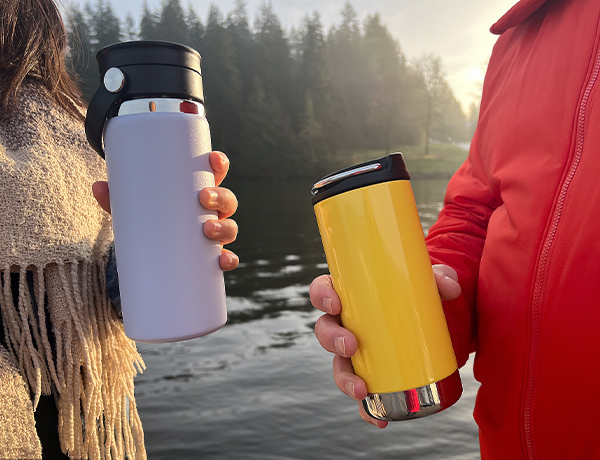
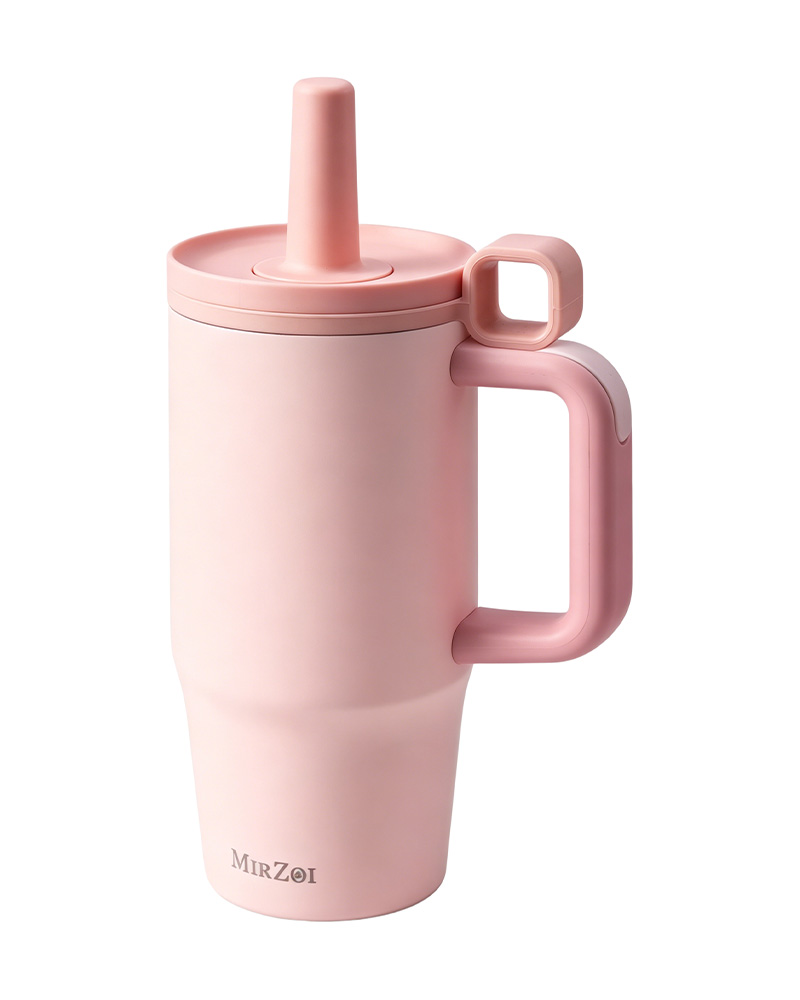
A travel cup can look simple at a glance, yet daily use often tells a different story. Heat shifts, lids behave differently, and the drinking experience can change from one setting to another. A commute in a car, a desk break at work, and a walk through busy streets do not place the same demands on a cup. Small differences in structure, material, and handling can shape how the drink feels, tastes, and stays contained.
For buyers, distributors, and manufacturers, those differences matter because they affect practical use rather than surface appearance. A cup may hold temperature well in one setting and feel less steady in another. It may seem sealed at home, then behave differently in a bag or while moving. That gap between expectation and daily use is where the real discussion begins.
What Happens Inside a Stainless Steel Thermal Travel Mug When Coffee Meets Vacuum Layer and Lid Sealing Design
When a hot drink enters the cup, the inside surface takes on heat right away, while the outer shell stays more stable. The gap between the inner and outer walls helps slow the movement of heat, and the lid adds another layer of control by limiting escape through the opening. The result is not a fixed state, but a gradual change that depends on how the cup is filled, closed, and handled.
A few details shape that process:
- A fuller cup usually holds heat differently from a partly filled one.
- A tight lid slows heat loss more than an open drinking gap.
- Repeated opening allows warm air to leave and fresh air to enter.
- A drink with milk or sugar may feel different over time compared with plain coffee.
The lid also affects how stable the experience feels. If the opening is narrow and the seal sits well, the drink tends to stay contained and the temperature changes more slowly. If the lid has a looser fit, the temperature shift can become easier to notice during regular movement.
| Part of the cup |
What it affects |
Daily result |
| Inner wall |
Direct contact with the drink |
Starts the heat transfer process |
| Space between walls |
Slows heat movement |
Helps the drink stay warm or cool for longer |
| Lid seal |
Limits air exchange |
Reduces temperature loss and leakage risk |
| Drinking opening |
Controls access to the drink |
Shapes flow, comfort, and exposure to air |
How Stainless Steel Thermal Travel Mug Vacuum Insulation Changes Real Temperature Retention During Daily Commute Use
Daily commuting creates conditions that are rarely still. The cup may sit in a car holder, move in a backpack, or get opened several times before reaching the destination. In those moments, the insulation has to work together with the lid, the body shape, and the way the cup is held or stored.
A smooth commute case often depends on several linked factors. If the cup stays upright, the seal remains steady, and the lid is not opened too often, the drink tends to keep its condition more consistently. Once the cup is tilted, shaken, or opened repeatedly, the internal balance changes and the temperature begins to drift faster.
That is why real use can feel different from a short test on a desk. A cup that seems stable in one place may behave differently during a packed morning routine. The insulation still plays a central role, but the surrounding conditions decide how much of that function is preserved.
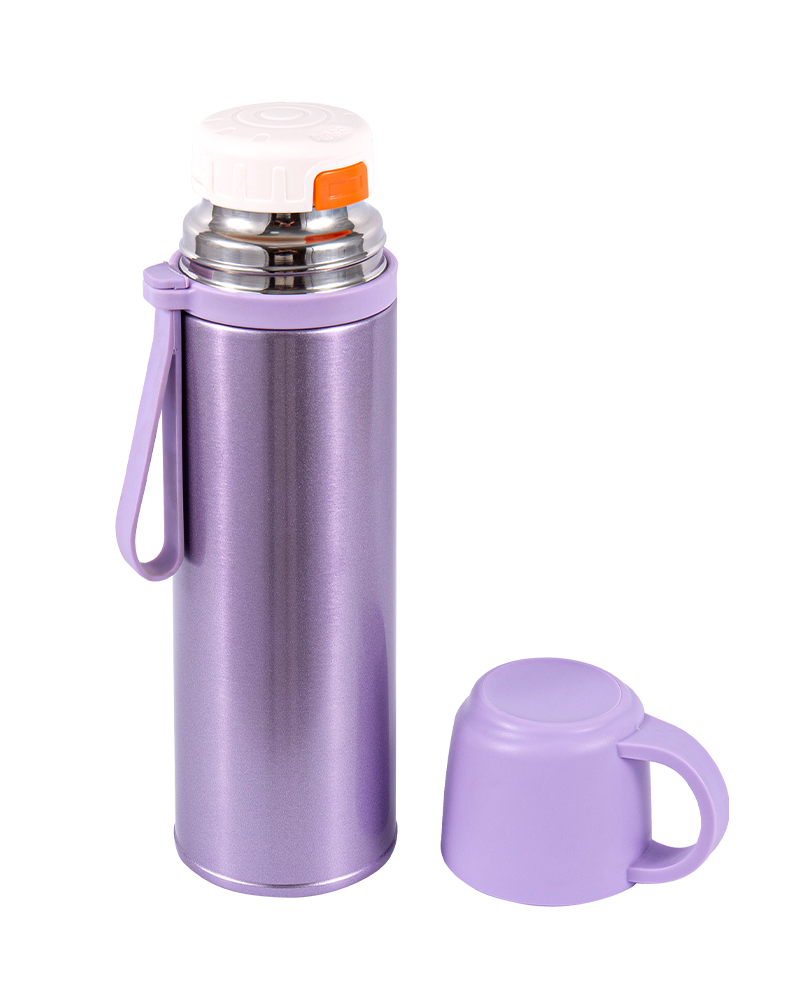
Which Stainless Steel Thermal Travel Mug Materials Help Reduce Metallic Taste in Coffee Tea and Cold Drinks
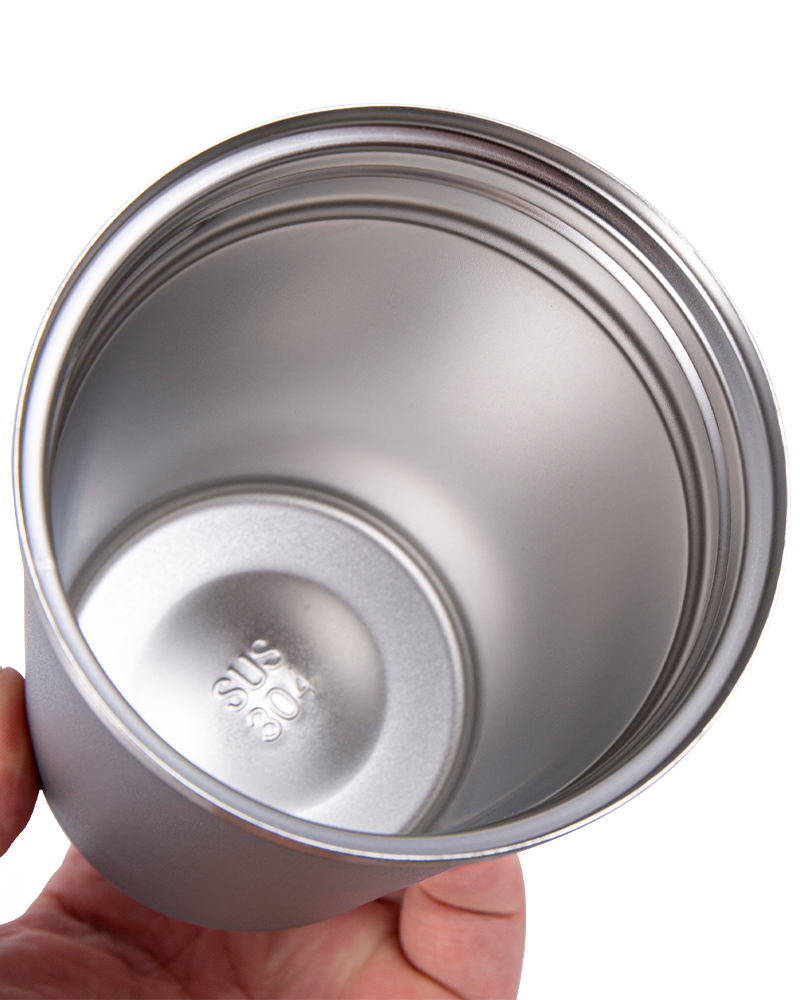
Material choice affects more than durability. It also shapes how clean or neutral a drink tastes. A smoother interior can reduce the chance of unwanted flavor transfer, while a less consistent surface may hold traces from earlier use. Coffee, tea, and cold drinks each interact with the surface in slightly different ways, so the same cup may feel neutral with one drink and less so with another.
The following points often matter in practice:
- A cleaner inner surface can help reduce lingering taste.
- A well-finished seam may be easier to rinse completely.
- Different drinks leave different traces after use.
- Strongly flavored drinks may remain noticeable longer if cleaning is light.
Some users notice that a cup feels neutral at first, then becomes less so after repeated use without careful washing. That does not always point to the drink itself. It can come from residue on the surface, the lid area, or corners that are not easy to reach.
Why Stainless Steel Thermal Travel Mug Surface Temperature Feels Different With Hot and Cold Beverages
The outside feel of the cup gives a practical clue about how heat is moving inside. With hot drinks, the shell may feel warmer near the upper section or around the lid area. With cold drinks, the outer surface may feel cooler, especially when the surrounding air is humid. These changes are not random. They come from how quickly the cup transfers or blocks temperature changes.
Several things influence that sensation:
- The amount of liquid inside.
- The temperature of the room or vehicle.
- How often the lid is opened.
- Whether the cup is held in the hand or left on a flat surface.
For users, the outer feel matters because it affects comfort. A cup that stays steady in the hand is easier to carry through a busy day. A cup that changes surface feel too quickly can seem less predictable, even if it still performs its main function.
In practical use, the outside temperature and the drink inside are closely linked. A colder drink may bring a slight chill to the shell, while a hot one may spread warmth across the body of the cup. That contrast is part of everyday handling and often shapes the user's first impression.
Where Condensation Forms in Stainless Steel Thermal Travel Mug and How Insulation Design Controls Moisture
Condensation usually appears where temperature shifts are easiest to notice. In daily use, that often means the lid area, the drinking opening, or the upper part of the body when a cold drink meets humid air. The cup itself does not create moisture on its own. The surrounding air, the drink temperature, and the shape of the lid all work together to shape where droplets appear.
A few practical patterns are common:
- A cold drink in a warm room can create moisture near the top.
- A loosely fitted lid may allow damp air to collect around the opening.
- A narrow drinking path can keep the outside more controlled.
- A cup left in a warm car may behave differently from one kept indoors.
Moisture control is partly about insulation and partly about structure. If the cup body slows heat transfer well, the outside tends to stay more stable. If the lid has weak sealing points, moisture may gather around seams and edges even when the main body still feels dry.
| Moisture area |
Common trigger |
Daily effect |
| Lid edge |
Warm air meeting a cold opening |
Small droplets near the rim |
| Upper body |
Drink temperature shifting quickly |
Surface dampness in humid spaces |
| Seal area |
Air moving through gaps |
Moisture around the closing point |
| Cup base |
Cold surface on a warm table |
Condensation on the contact point |
How Stainless Steel Thermal Travel Mug Lid Types Affect Leak Resistance in Bags Cars and Outdoor Movement
The lid often decides whether the cup feels dependable during movement. A tight lid can help keep liquid in place when the cup sits upright, while a more open drinking style may feel easier for quick use but less controlled during motion. The difference becomes clearer in a bag, a car holder, or when walking through a crowded space.
Leak behavior is rarely shaped by one part alone. The lid shape, the seal ring, the closing action, and the pressure created by movement all matter. A cup that stays closed at rest may still behave differently when it is tilted, knocked, or carried in a soft bag. That is why users often judge the lid by real use rather than by appearance.
Some details affect the outcome more than others:
- A firm closing action helps keep the seal in place.
- A worn ring can change how well the opening stays shut.
- A wide mouth may feel easier to drink from, yet expose more of the liquid path.
- A lid with multiple moving parts may need more careful cleaning to stay reliable.
Tips for Using Stainless Steel Thermal Travel Mug in Cars Offices and Commuting Without Spillage Issues
Different settings ask for different habits. In a car, the cup may sit in a holder but still face vibration and sudden stops. At an office desk, the main concern is usually accidental tipping. During commuting, the cup may move inside a bag or stay in the hand for longer than planned. Small changes in handling can reduce the chance of spills.
A few simple habits help the cup stay steadier without changing the product itself:
- Keep the cup upright whenever possible.
- Close the lid fully before moving it.
- Leave a small amount of space at the top if the drink will be carried for a while.
- Check the seal before placing it in a bag.
- Avoid repeated opening while walking or riding.
Different environments also call for different awareness. In a car, quick turns can shift the liquid. In an office, a crowded desk can make contact with other objects more likely. On a commute, the cup may be handled more often than expected. The same cup can feel well controlled in one setting and more demanding in another, depending on how it is used.
Way to Extend Daily Performance of Stainless Steel Thermal Travel Mug Through Cleaning and Maintenance Habits
Daily care shapes long term use as much as material choice does. Even a well-built cup can start to feel less steady if residue builds up in the lid, if the seal ring is not cleaned, or if the inner surface keeps traces from strong drinks. Cleaning does not need to be complicated, but it does need to reach the places that collect buildup most easily.
The lid deserves the most attention because it has the most contact points. Small channels, closing parts, and seal edges can hold moisture after use. If those areas stay damp, odor and residue may appear sooner. The inner body also benefits from a consistent wash routine, especially after coffee, tea, or milk drinks.
Helpful maintenance habits include:
- Rinsing the cup soon after use.
- Separating lid parts when cleaning allows.
- Drying all pieces fully before storing.
- Checking the seal ring for wear or looseness.
- Avoiding harsh scrubbing that may damage interior finish.
A cup that is cleaned with care tends to keep a more neutral drinking experience. The outside may still look the same, but the feel inside can change a lot depending on whether residue is removed fully. For regular users, that difference often becomes noticeable long before any visible wear appears.

 English
 Español