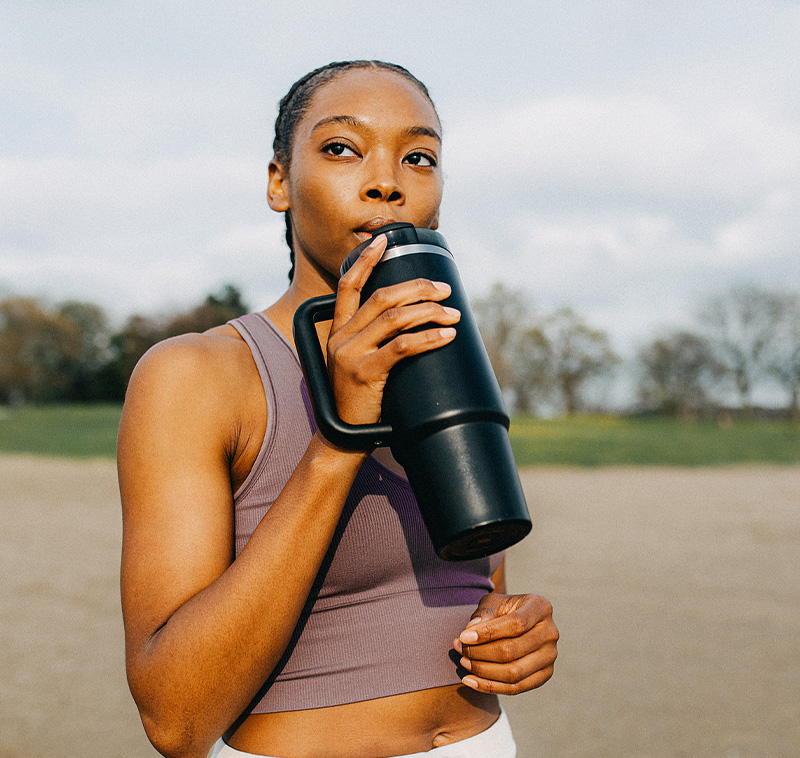
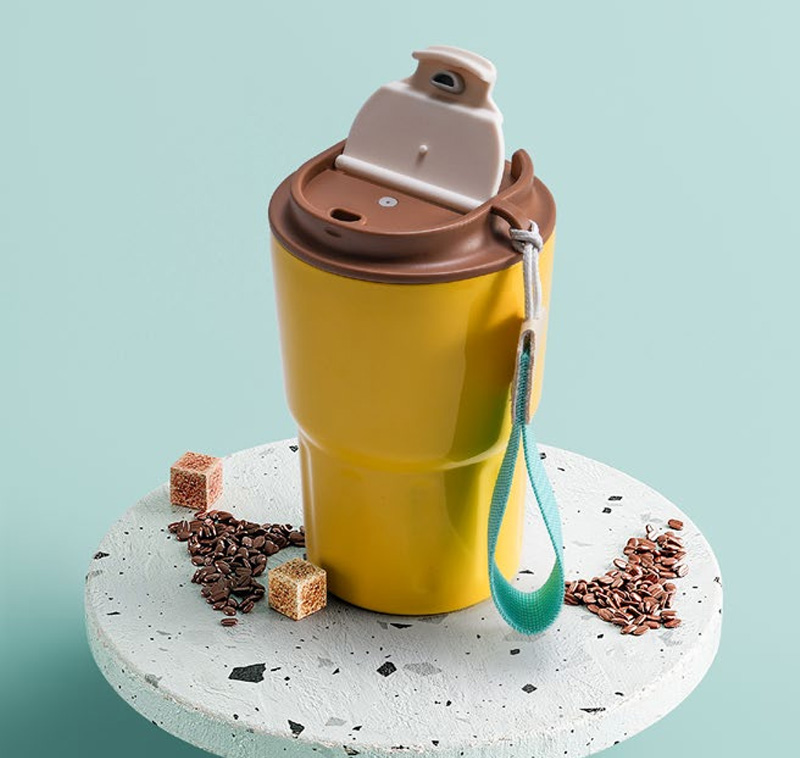
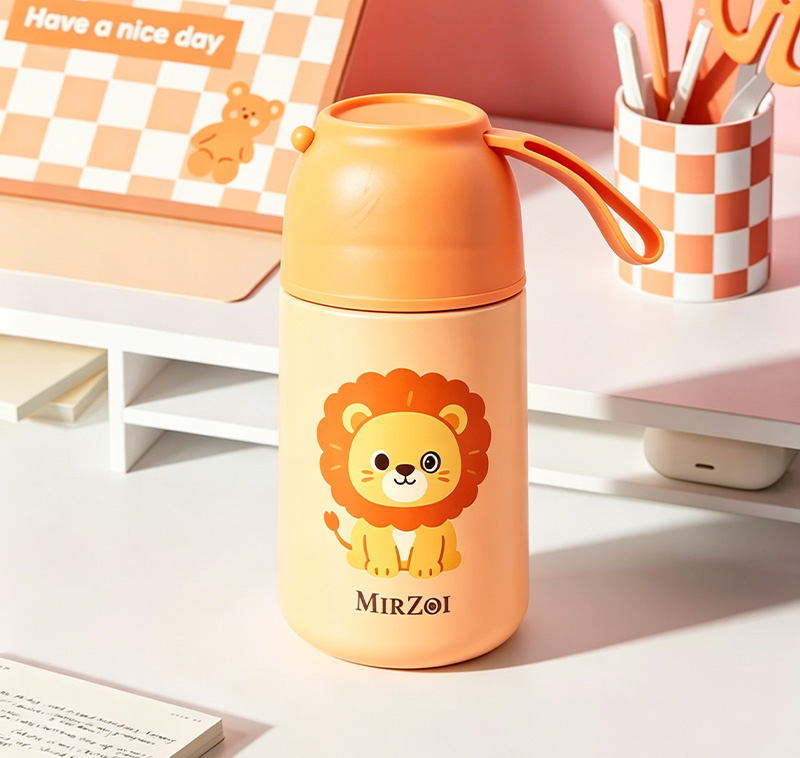
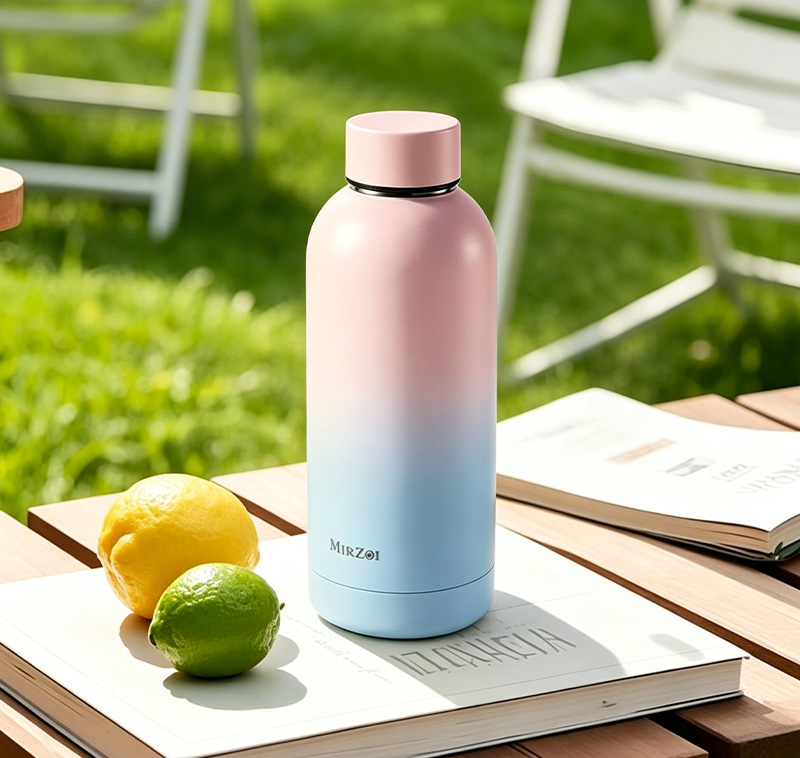
Picking out a reusable drink container really isn't just about holding water or whatever beverage you're carrying around. People tend to think through how a bottle fits into their actual routine — how it feels to carry, how it holds up against different drinking habits over time. As reusable products keep gaining attention, stainless steel insulated bottles have turned into a pretty common pick for work, travel, outdoor trips, and just everyday hydration.
A Double Wall Stainless Steel Insulated Bottle relies on a carefully thought-out structure to help hold beverage temperature steady while offering something durable enough for repeated daily use. The design really blends material choices, manufacturing methods, and small practical details — lid style, bottle shape, surface finish — all working together.
For manufacturers and buyers alike, getting a feel for the structure behind these products can genuinely help with picking better options and making smarter customization calls. From how it's produced to how it actually feels in someone's hand, every detail can shape how a bottle performs across different situations.
How Does a Double Wall Stainless Steel Insulated Bottle Keep Drinks Warm and Cold for Longer Use
The temperature retention here really comes down to internal structure. Unlike a single-layer container, a double wall design creates a gap between the inner and outer walls. That gap helps cut down on direct heat transfer between whatever's inside and whatever's going on outside.
When a hot drink goes in, this structure slows down how fast heat escapes. When it's a cold drink instead, the same basic principle helps block outside warmth from creeping in. That's really what makes the bottle work across different seasons and different drinking habits.
The lid matters here too, more than people might expect. A well-designed cap helps cut down on heat exchange happening through the opening itself. Different users tend to lean toward different lid styles depending on whether the bottle's headed to a commute, a workout, a trip, or just sitting on an office desk.
| Design Element |
Influence on Daily Use |
| Double wall structure |
Helps maintain beverage temperature by reducing heat transfer |
| Lid design |
Supports convenient drinking and helps prevent spills |
| Inner surface |
Helps maintain a clean drinking environment |
| Outer coating |
Improves grip and provides different appearance options |
Insulation really isn't only about the inner space of the bottle, either. Manufacturing accuracy, how components connect, overall build — all of it feeds into how the bottle actually performs once it's in someone's hands. A well-designed bottle genuinely needs material choice and production technique working hand in hand.
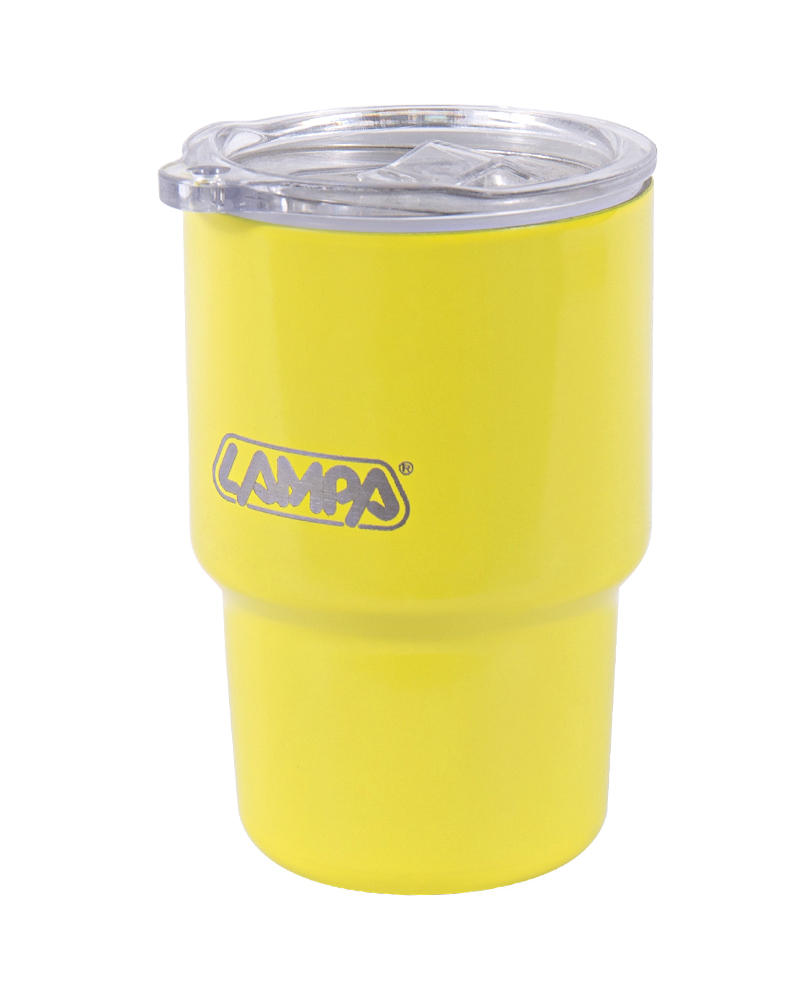
What Makes a Double Wall Stainless Steel Insulated Bottle Suitable for Everyday Drinking
Everyday use asks for more than just good temperature control. People generally want something easy to carry, simple to clean, and comfortable to use throughout a long day.
A work bottle might need a compact shape that slides into a bag without a fuss. A travel bottle might need a firmer grip and a lid that seals tight. Outdoor users tend to care more about portability and how well the surface holds up against rough handling.
Design details end up deciding whether a bottle actually becomes part of someone's routine or just sits forgotten in a cupboard. A wider opening, for instance, makes cleaning a lot less annoying, while a comfortable shape genuinely improves how it feels to hold.
Factors people tend to weigh:
- Bottle size that matches personal drinking habits
- Lid design suitable for different situations
- Comfortable surface texture
- Easy cleaning structure
- Suitable weight for carrying
Different markets carry different preferences too. Some customers gravitate toward simple colors and clean, minimal designs, while others go looking for something more personalized that matches a specific brand or lifestyle.
Manufacturers really need to factor these differences in during development. Understanding how people actually use the bottle helps build something that works across a range of applications, rather than chasing appearance alone.
What Should You Know About the Materials Used in a Double Wall Stainless Steel Insulated Bottle
Material choice shapes the overall character of an insulated bottle quite a bit. Stainless steel gets used widely here because it offers a sturdy structure, a clean look, and genuinely suits products meant to be reused over and over.
Different stainless steel grades bring different characteristics to the table. Manufacturers usually weigh durability needs, how the product's positioned in the market, surface treatment, and customer expectations before settling on materials.
The outer surface changes how people interact with the bottle too. Smooth finishes, coated surfaces, textured designs — each brings its own visual effect and its own feel in hand.
| Material Consideration |
Why It Matters |
| Stainless steel selection |
Influences product structure and daily durability |
| Surface treatment |
Changes appearance and hand feel |
| Inner wall design |
Supports beverage storage needs |
| Manufacturing process |
Affects product consistency |
For brands planning custom products, material selection really is a step worth locking down before production ever starts. The right pairing of materials and design genuinely helps build something that fits the intended market well.
How Are Double Wall Stainless Steel Insulated Bottles Made From Material Selection to Final Production
The manufacturing process runs through several connected stages, and each one adds something to the final quality.
Production usually kicks off with material preparation. Manufacturers pick out suitable stainless steel sheets or components based on the product design, then shape them into bottle parts through various forming processes.
Once formed, different parts get assembled together. That connection between components needs real care, since the bottle's structure has to hold up and keep doing its job.
Surface treatment comes in as another important stage. Manufacturers might apply different finishes depending on what the customer's asking for — smooth textures, colored coatings, custom appearances, whatever fits the brief.
The general process tends to run through:
- Material preparation and inspection
- Bottle body forming
- Component assembly
- Surface treatment
- Quality checking and packaging preparation
Every single stage here needs attention to detail. Small shifts in production method can end up affecting appearance, usability, and how consistent the finished products turn out batch to batch.
For manufacturers working alongside brands, production flexibility matters just as much. Different customers tend to ask for different shapes, colors, packaging styles, or added features along the way.
Which Features Should Buyers Check When Choosing a Double Wall Stainless Steel Insulated Bottle
When picking a supplier or product, buyers generally need to look past basic appearance. A suitable Double Wall Stainless Steel Insulated Bottle really should match the intended market and whatever the target customer actually expects.
Worth checking:
- Product structure and design
- Material selection
- Lid function
- Surface appearance
- Customization options
- Production capability
A company selling outdoor gear, for instance, probably wants a different bottle style than one focused on office accessories. Same basic product category, but design tweaks can push it toward completely different audiences.
Buyers should also think through whether the manufacturer communicates well and offers flexible solutions. A supplier that genuinely understands different market needs tends to cut down on unnecessary back-and-forth during cooperation.
Landing on the right product really comes down to balancing appearance, function, and what's actually feasible to produce. Clear requirements upfront tend to make the whole cooperation smoother.
What Custom Options Can Manufacturers Provide for Double Wall Stainless Steel Insulated Bottle Orders
Customization lets brands build something that genuinely reflects their identity and fits customer preferences. Manufacturers usually offer a range of options depending on what the order actually calls for.
Common customization areas:
- Bottle color selection
- Surface design
- Logo application
- Packaging style
- Lid options
- Product shape adjustments
For promotional products, companies tend to focus heavily on appearance and brand recognition. For retail products, more attention usually goes toward packaging, usability, and how it's positioned in the market.
A flexible manufacturing partner can genuinely help turn rough ideas into workable product solutions. Communication during the design stage really matters here, since details like artwork, material choices, and packaging requirements all need to get nailed down clearly.
Customization really isn't just slapping a logo onto a generic bottle. It's about building something that actually fits the target users and whatever sales channel it's headed toward.
How Does Stainless Steel Material Influence the Performance of a Double Wall Insulated Bottle
Material and performance really tie together closely here. Stainless steel forms the foundation of the bottle's structure, while manufacturing methods shape how the different parts actually work together once assembled.
Material choice can shape:
- Product appearance
- Structural strength
- Surface feeling
- Maintenance requirements
- Long-term usability
Manufacturers need to weigh a handful of factors before settling on materials for production. A bottle built for daily office use probably has different requirements than one meant for outdoor activities.
Pairing suitable materials with thoughtful design genuinely helps build something that meets practical, everyday needs. For brands, understanding these distinctions can make product planning a lot more efficient overall.
Tips for Choosing a Reliable Double Wall Stainless Steel Insulated Bottle Supplier for Your Brand
Finding a suitable supplier really comes down to manufacturing ability, communication, and how much customization support they're willing to offer.
Worth thinking through before cooperation:
- Whether the factory genuinely understands product requirements
- Whether customization requests can be handled clearly
- Whether production processes are well organized
- Whether communication stays efficient
- Whether product details can get confirmed before manufacturing starts
A solid supplier relationship really gets built through clear discussions and steady cooperation over time. Before placing orders, brands should share their expectations around design, function, packaging, and who they're actually targeting.
For manufacturers, offering clear information and flexible production options helps customers make better decisions overall. A reliable partnership really depends on both product capability and how well communication actually flows between both sides.
A Double Wall Stainless Steel Insulated Bottle really isn't just a container for drinks. Its design pulls together materials, structure, manufacturing methods, and real user needs all at once. Weighing these factors together helps buyers and brands land on products that genuinely fit their market goals and everyday usage scenarios.

 English
 Español