A decorated tumbler can look simple at first glance, yet many small choices shape how it feels, looks, and works in everyday situations. A rhinestone surface adds another layer to that process because the decoration has to fit the shape of the cup while remaining practical to handle, clean, and carry.
For manufacturers, the challenge is not simply placing decorative stones around a cup. The design has to consider the surface, the arrangement, the areas people touch, and the relationship between decoration and the original cup structure. For buyers, these details can also affect whether a particular design fits their intended market or product concept.
From color selection to surface preparation, from decorative placement to daily care, each stage connects with the next. A thoughtful design can begin with a visual idea and gradually become a product that fits ordinary use without making the decoration feel disconnected from the cup itself.
What Makes a Rhinestone Tumbler Cup Different From Regular Tumbler Styles
The visual difference usually comes from the surface rather than the basic shape of the cup. A conventional tumbler may rely on a plain finish, printed graphics, or a simple color combination. Rhinestone decoration introduces small reflective elements that can change how the surface responds to light and movement.
However, the appearance is not determined by the rhinestones alone. The base color of the cup, the shape of the body, the size of the decorative pieces, and the spacing between them all contribute to the final look.
A useful way to think about the design is to separate it into three areas:
| Design element |
What it can influence |
| Cup color |
The visual background for the decoration |
| Rhinestone arrangement |
The overall pattern and surface character |
| Coverage area |
How decorative the cup feels during use |
A full decorated surface creates a different impression from a design that leaves part of the cup visible. A smaller decorative area may place attention around a particular section, while a broader arrangement can create a continuous visual effect.
The shape of the tumbler also matters. A straight body offers a different design surface from a curved one. When the surface changes direction, the arrangement may need to follow that shape rather than simply repeating the same pattern from top to bottom.
This is why decorative tumbler design is not only about selecting attractive stones. The decoration needs to respond to the physical form of the product.
Which Rhinestone Sizes and Colors Work Well for Different Tumbler Designs
Size and color are two decisions that can change the character of a decorated tumbler without changing its basic structure. Smaller rhinestones can create a finer visual texture, while larger pieces can make individual areas easier to notice.
Color selection works in a similar way. Clear stones against a darker cup can create a different appearance from colored stones placed on a light surface. The relationship between the cup and its decoration is therefore worth considering before production begins.
Rather than choosing colors separately, manufacturers can look at the entire combination. A simple cup color may provide space for a more noticeable decorative arrangement, while a stronger base color may call for a quieter combination.
The intended design also matters. A repeated pattern may benefit from consistent colors and sizes, while a more varied arrangement can use several shades or sizes to create visual movement.
Some practical questions include:
- Does the rhinestone color work with the cup color?
- Does the chosen size fit the available surface?
- Will the pattern remain clear when viewed from different angles?
- Does the arrangement leave enough room for normal handling?
There is no single combination that fits every tumbler. The right choice depends on the shape, intended appearance, and way the product is expected to be used.
Why Does Tumbler Surface Preparation Matter Before Applying Rhinestones
Before decoration begins, the condition of the cup surface deserves attention. Rhinestones need a suitable surface to remain in place, so dirt, moisture, residue, or an unsuitable finish can interfere with the attachment process.
Surface preparation also affects consistency. If one area of a cup differs noticeably from another, the decorative pieces may not behave in the same way across the entire surface. For a manufacturer, preparing the cup carefully can make the following decoration stage easier to control.
The process does not need to be complicated from the buyer's perspective. What matters is knowing that the base surface is part of the final product rather than an unrelated step.
A simple production sequence can be viewed as follows:
Cup preparation → surface checking → rhinestone placement → attachment → inspection
Each stage supports the next one. If the surface is not ready, the attachment stage may become less predictable. If placement is not checked, small changes in spacing can become noticeable once the entire design is finished.
Surface preparation is also connected with the shape of the tumbler. Curved areas may require greater attention because decorative pieces need to follow the changing surface. A design that looks straightforward on a flat reference image may need adjustment when transferred onto a rounded cup.
For this reason, surface condition and product shape should be considered together rather than treated as separate concerns.
How Does Rhinestone Placement Affect the Look Grip and Daily Use of a Tumbler Cup
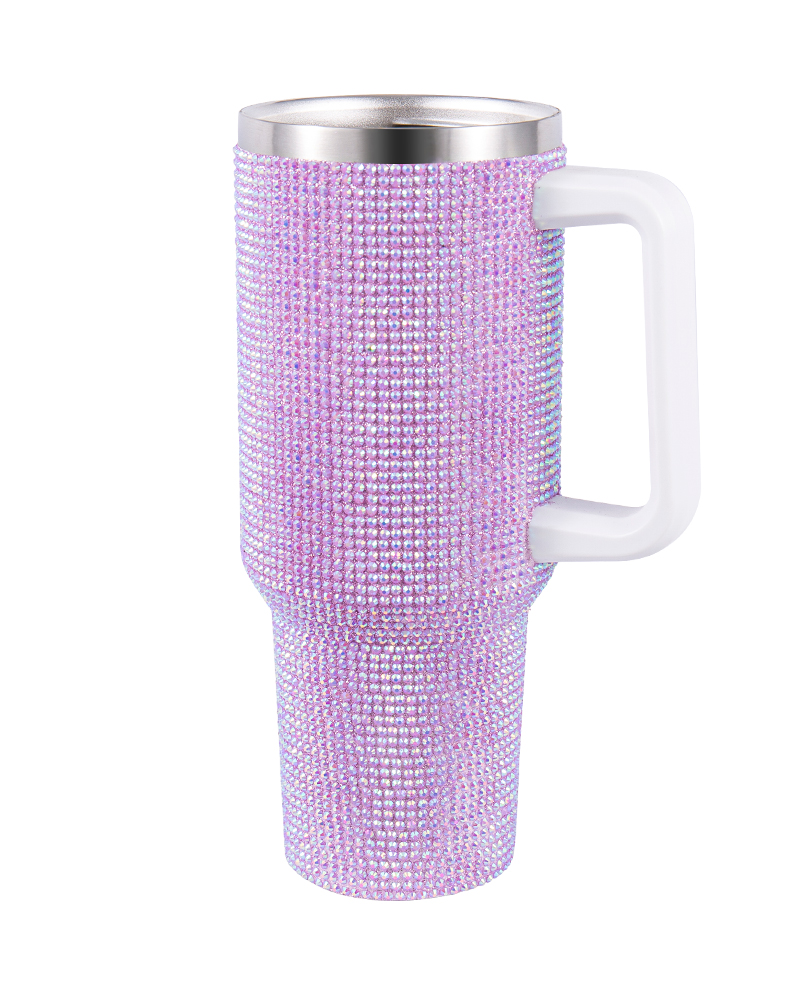
Where the decoration is placed can be just as important as which rhinestones are selected. A cup is not simply displayed on a shelf. It is picked up, carried, placed on a surface, and cleaned. The areas people touch regularly therefore deserve careful consideration.
For example, covering the entire exterior can create a continuous decorative effect, but it can also change the texture of the areas used for gripping. Leaving certain sections clear can provide a more familiar holding area while allowing the decoration to remain visually noticeable.
The lid and handle require their own consideration as well. If a tumbler includes a handle, the surrounding decoration should not interfere with the way the handle is held. If a straw is included, the area around the lid needs to remain practical.
| Placement area |
Design consideration |
| Main body |
Overall visual pattern and coverage |
| Grip area |
Comfort and ease of handling |
| Lid area |
Compatibility with opening and closing |
| Handle area |
Clearance for normal use |
| Lower section |
Contact with tables and other surfaces |
Patterns also influence perception. A symmetrical arrangement can create a more orderly appearance, while an irregular pattern can produce a more relaxed visual style.
The important point is that decoration should follow the way the cup is used. A visually appealing arrangement may need adjustment if it makes an ordinary action such as gripping or opening the lid less convenient.
How Are Rhinestones Attached to a Rhinestone Tumbler Cup for Everyday Use
Attachment is where the decorative concept becomes part of the physical product. Each rhinestone needs to stay in its intended position while the cup is handled, carried, and cleaned according to its care requirements.
Several factors can influence attachment. The condition of the cup surface matters, as does the placement process and the contact between the decorative piece and the surface. The shape of the cup can also affect how easily pieces can be positioned in certain areas.
Rhinestones may become loose for different reasons. Repeated friction, impact, unsuitable cleaning, or changes in the surrounding conditions can all affect the decorative surface. This does not mean that every decorated cup will experience the same result. Product design and manufacturing choices play an important role.
For manufacturers, inspection after decoration can help identify visible gaps, uneven placement, or loose pieces before the product moves to the next stage.
For buyers, it can be useful to pay attention to how consistently the decoration is arranged. A small variation may be difficult to notice on an individual piece but become more apparent when several products are displayed together.
The attachment process should therefore be considered together with surface preparation and placement. These are connected stages rather than isolated production tasks.
What Cleaning Methods Can Help Maintain a Rhinestone Tumbler Cup
Cleaning is an important part of everyday use because decorative surfaces can have more small spaces than a plain tumbler. Dust, liquid residue, or other material may collect around the edges of the rhinestones if the surface is not cleaned regularly.
A gentle approach is generally easier on decorative surfaces. A soft cloth or suitable soft brush can help reach areas around the stones without creating unnecessary friction. Excessive pressure may place stress on the decorative pieces.
Water exposure also deserves attention. After cleaning, allowing the exterior to dry properly can help prevent moisture from remaining around the decorative areas.
Some simple care habits include:
- Use a gentle cleaning method suitable for the cup.
- Avoid aggressive rubbing across decorated sections.
- Pay attention to spaces between decorative pieces.
- Dry the exterior after cleaning.
- Check for loose pieces during regular care.
The cleaning method should also match the construction of the specific product. A decorated tumbler may have different care requirements depending on its cup surface, lid, handle, and decorative arrangement.
This is one reason manufacturers should communicate care guidance clearly when supplying customized products. Buyers can then decide whether a particular decoration style fits the expected use of the product.
How Can Custom Rhinestone Tumbler Cup Designs Be Developed for Different Brands
Customization usually begins with a visual direction rather than a finished product. A buyer may have a preferred cup color, a decorative pattern, a logo placement idea, or a particular combination of rhinestone colors.
The next step is turning that idea into a design that fits the actual cup. A pattern that looks good on a flat screen may need changes when applied to a curved surface. The size of the logo, the position of decorative elements, and the available grip area all need to work together.
A custom development process can include:
Design idea → cup selection → color coordination → pattern placement → sample review → production preparation
Logo placement requires particular attention. A logo can be surrounded by rhinestones, positioned within a decorative area, or kept visually separate from the decoration. Each approach produces a different appearance.
Customization can also involve different cup shapes. A tall narrow body, a wider body, and a design with a handle provide different surfaces for decoration. Rather than applying one pattern to every model, the layout can be adjusted according to the actual product form.
For manufacturers, early communication is useful because small design decisions can affect later production steps. For buyers, providing clear reference images, preferred colors, placement ideas, and cup requirements can make the development process easier to follow.
The goal is not simply to add decoration. It is to make the decoration feel connected to the cup's shape and intended use.
What Should Buyers Check When Choosing a Rhinestone Tumbler Cup Manufacturer
Choosing a manufacturer involves more than looking at finished product images. Buyers need to consider whether the supplier can communicate clearly about design requirements and handle the details that affect the finished product.
One useful starting point is the manufacturer's ability to discuss the actual design. Can they explain how the pattern may need to change for a particular cup shape? Can they confirm the selected colors and placement? Can they provide a sample for review before larger production begins?
Product inspection should also cover the decorative surface. Buyers can check whether the rhinestones are arranged consistently, whether visible gaps are intentional, and whether the design matches the approved concept.
The cup itself should not be overlooked. The lid, handle, grip area, and other functional parts should work as intended alongside the decoration.
A practical purchasing checklist can look like this:
| What to check |
Why it matters |
| Cup shape and surface |
Determines how the decoration fits |
| Rhinestone design |
Affects the overall appearance |
| Placement |
Influences handling and visual balance |
| Attachment condition |
Relates to everyday use |
| Custom details |
Helps match the intended product concept |
| Packaging |
Helps protect the decorated surface during handling |
Communication is another part of the purchasing process. Clear instructions can reduce misunderstandings about color, pattern, logo placement, and other design details.
For buyers developing a new decorated tumbler, it can also be useful to consider the complete product journey rather than focusing only on appearance. A design has to move from an idea to a physical cup, then into packaging, transport, retail handling, and everyday use.
That connection brings the different stages together. The design affects the choice of rhinestones. The choice affects placement. Placement relates to handling. Handling and decoration influence cleaning and care. When these factors are considered together, the product concept becomes easier to evaluate from both a manufacturing and user perspective.

 English
 Español