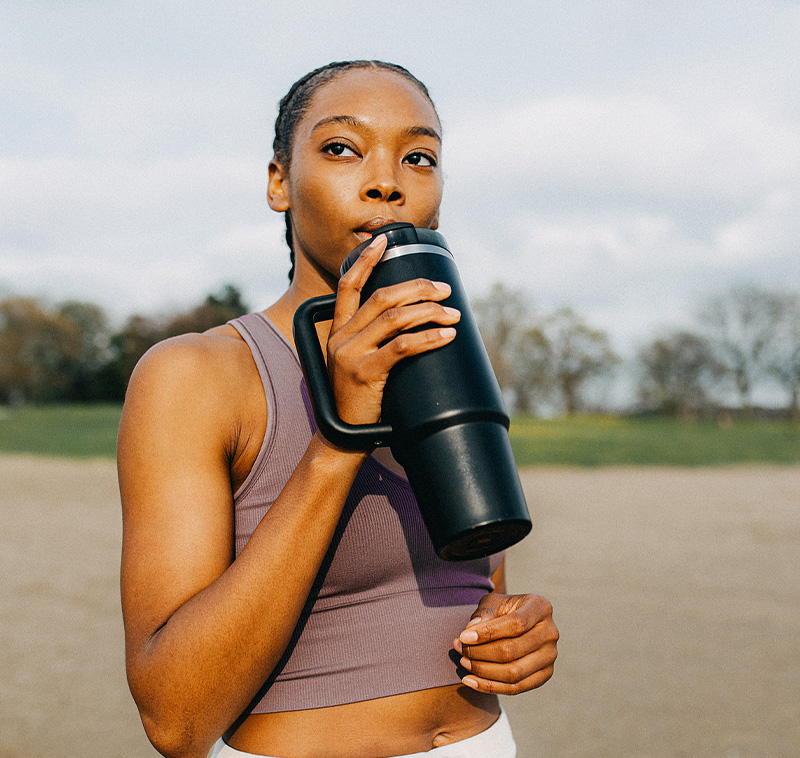
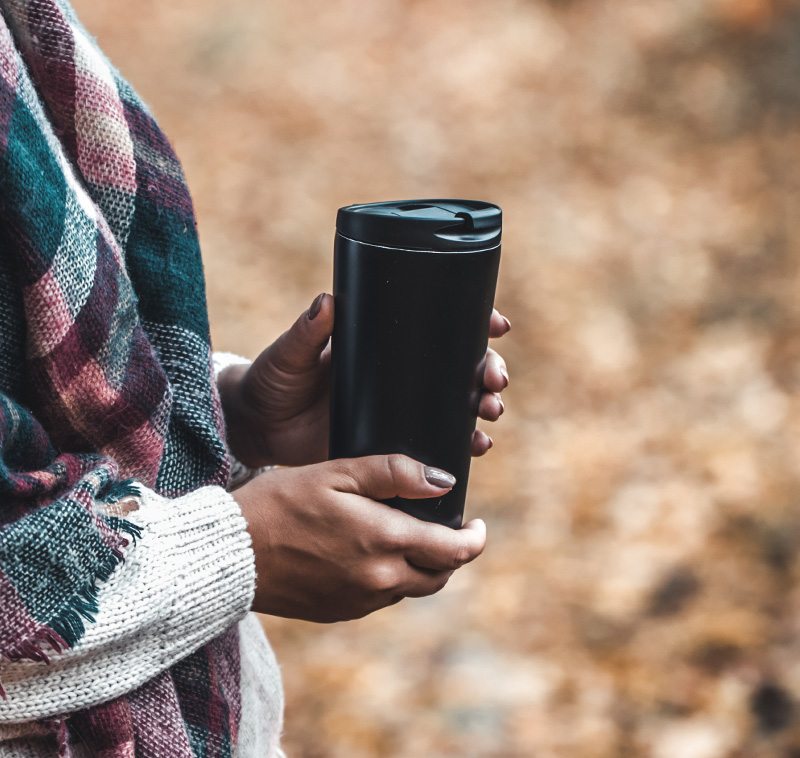
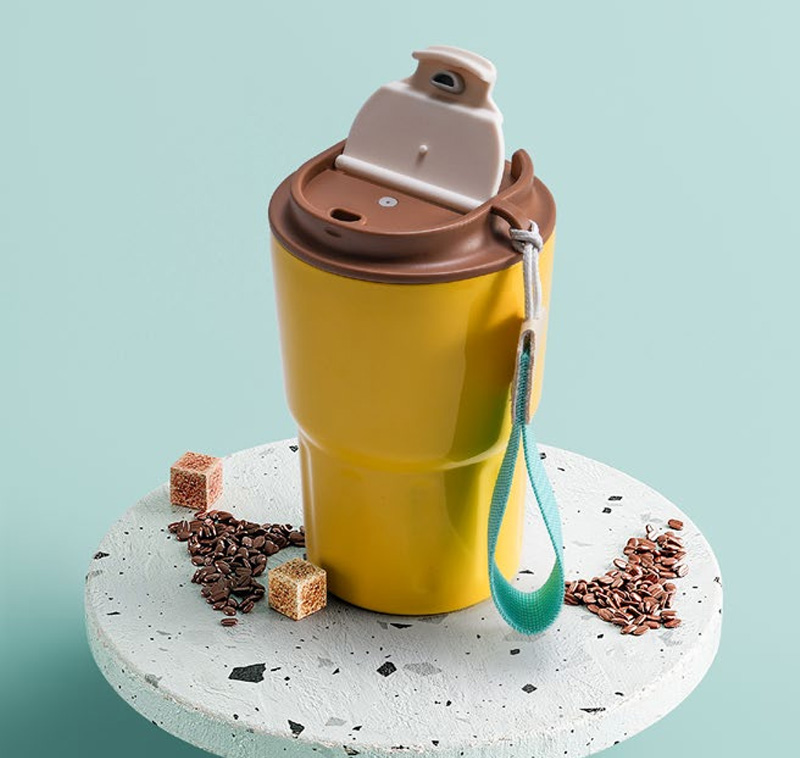
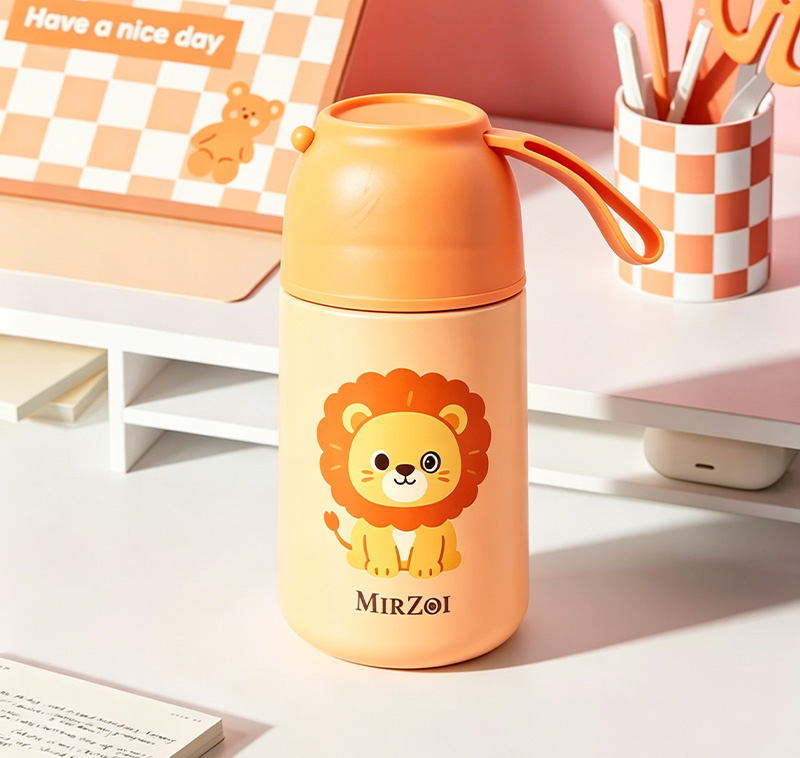
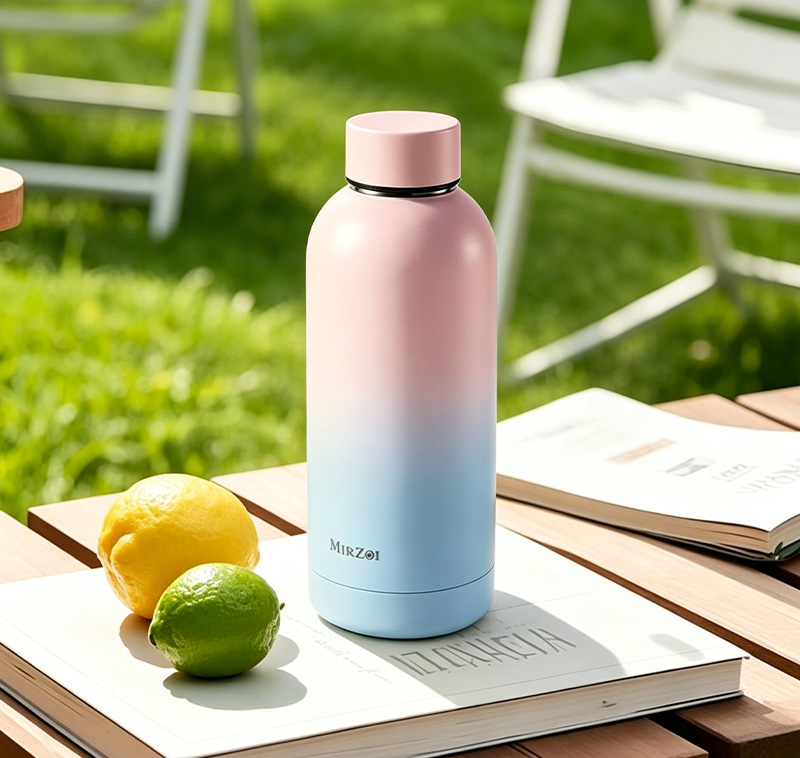
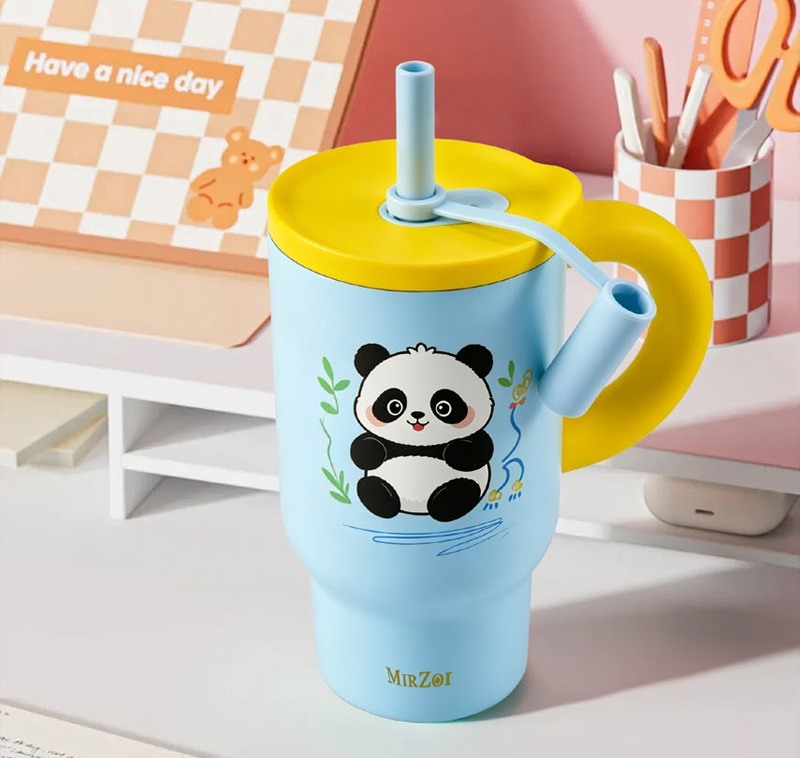
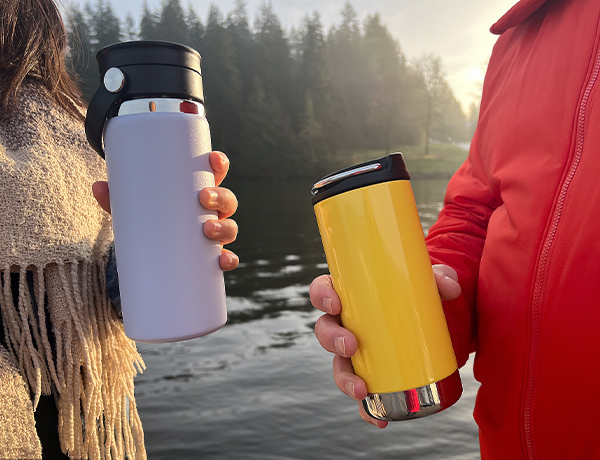
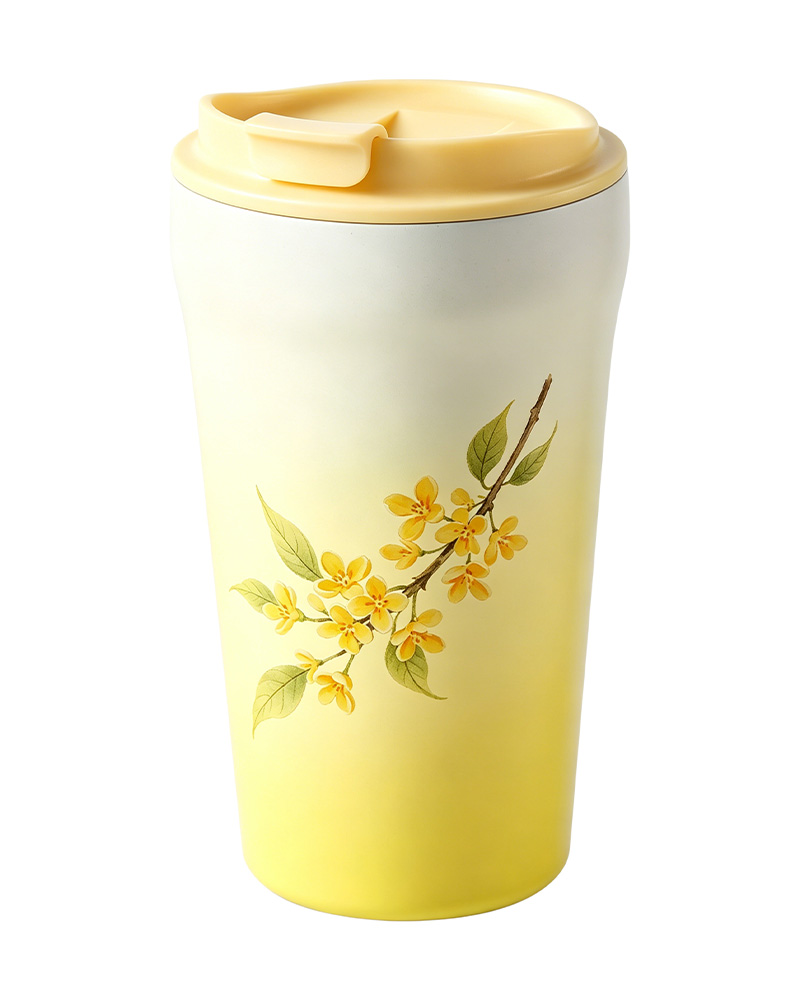
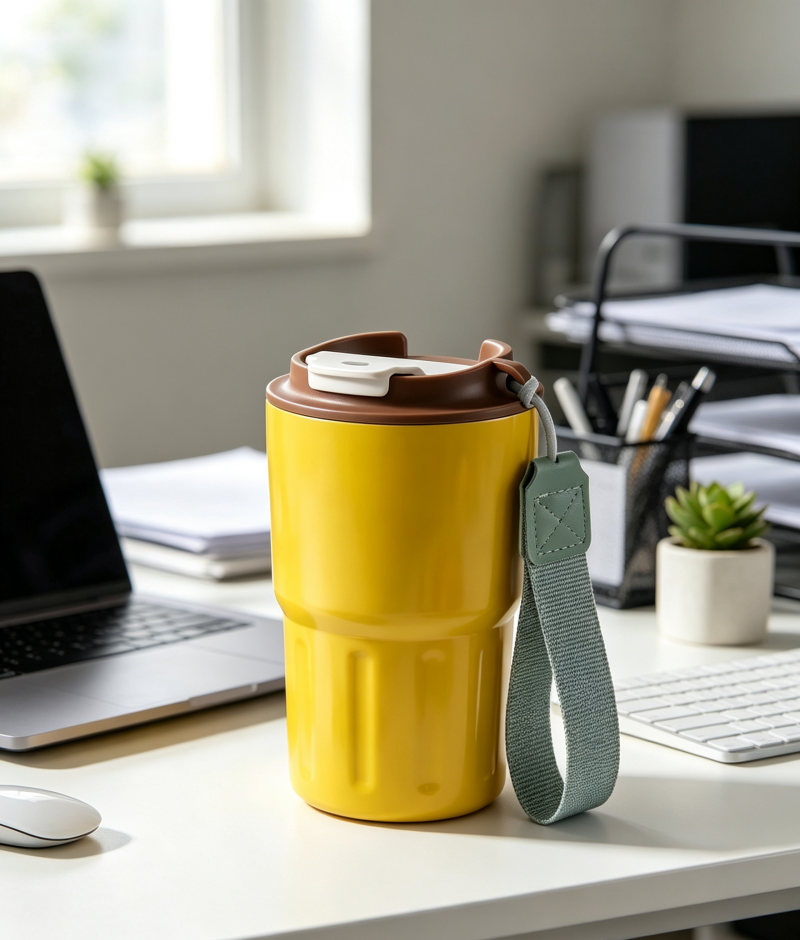
A portable insulated bottle looks simple from the outside, but in real use the behavior is not always consistent. Some days the drink stays warm or cool for a long time, sometimes the change feels faster even when the bottle is the same. Most of this comes from how the bottle is actually handled rather than only how it is made.
Daily routines are not stable conditions. Opening the bottle, carrying it in a bag, placing it on a desk, or leaving it in a car all create small shifts in how heat moves. These small shifts add up without being noticed immediately.
What affects heat retention inside a portable insulated bottle during real daily use
In everyday situations, heat retention is less about a single feature and more about repeated interaction. The bottle may perform differently depending on how often it is opened and what happens between uses.
Some conditions that usually play a role:
- Short and frequent opening during work or travel breaks
- Liquid not staying still long enough to settle after refilling
- Moving between indoor air and outdoor air within a short time
- Being placed inside a bag where airflow is limited
None of these changes feel significant alone, but over a few hours they start to shape how the temperature behaves. A portable insulated bottle reacts quietly to these small interruptions, and the result is not always linear.
How vacuum insulation design inside a portable insulated bottle changes temperature stability over time
Inside the bottle, the vacuum layer slows down heat movement by reducing direct contact between inner and outer walls. It does not stop heat change completely, but it makes the process slower and less obvious at first.
In daily use, the effect of this structure is often noticed in a subtle way rather than a dramatic one. When the bottle is new or lightly used, temperature feels more steady. After repeated opening and carrying, small differences begin to appear.
What tends to happen in practice:
- Early use feels more stable under similar conditions
- With time, small variations become easier to notice
- The lid area starts to influence overall performance more than expected
The vacuum layer itself does not "wear out" in a visible way during normal use. What changes is how much the non-insulated parts start to stand out.
Why bottle cap structure often becomes the main point of heat loss in a portable insulated bottle
The lid is not only a cover. It is a moving part that has to seal, open, and close repeatedly. That alone makes it structurally different from the rest of the bottle.
Heat loss tends to show up here first for a simple reason: this is the only part that is constantly disturbed.
In real use, this area is affected by:
- Repeated opening during drinking
- Short exposure to air each time the lid moves
- Slight differences in how tightly it is closed
- Small movements when the bottle is inside a bag
Even when everything is working normally, the lid behaves like a small "exchange point" between inside and outside. That is why changes in temperature are often noticed from the top section rather than the body.
Which lid and sealing design in a portable insulated bottle helps reduce leakage during movement in a bag
Leakage is usually not caused by one single flaw. It happens more often when small conditions overlap during movement. Inside a bag, the bottle is never fully still, and that constant motion tests the sealing structure in different directions.
| Design approach |
What tends to happen in movement |
Practical note |
| Screw closure |
Holds position steadily when fully closed |
Needs consistent tightening habit |
| Press lock type |
Quick to open and close during use |
Depends on full engagement each time |
| Multi-layer sealing ring |
Helps reduce small gaps under pressure changes |
Needs occasional checking over time |
In real situations, leakage is often linked to small inconsistencies rather than major failure. A small gap, a slightly loose closure, or uneven pressure during transport can be enough to change the result.
How stainless steel material choice in a portable insulated bottle can influence taste and odor retention
Inside a portable insulated bottle, material choice is not only about strength or durability. In daily use, what people notice more directly is how the drink feels after sitting for a while and whether any leftover smell appears after switching between beverages.
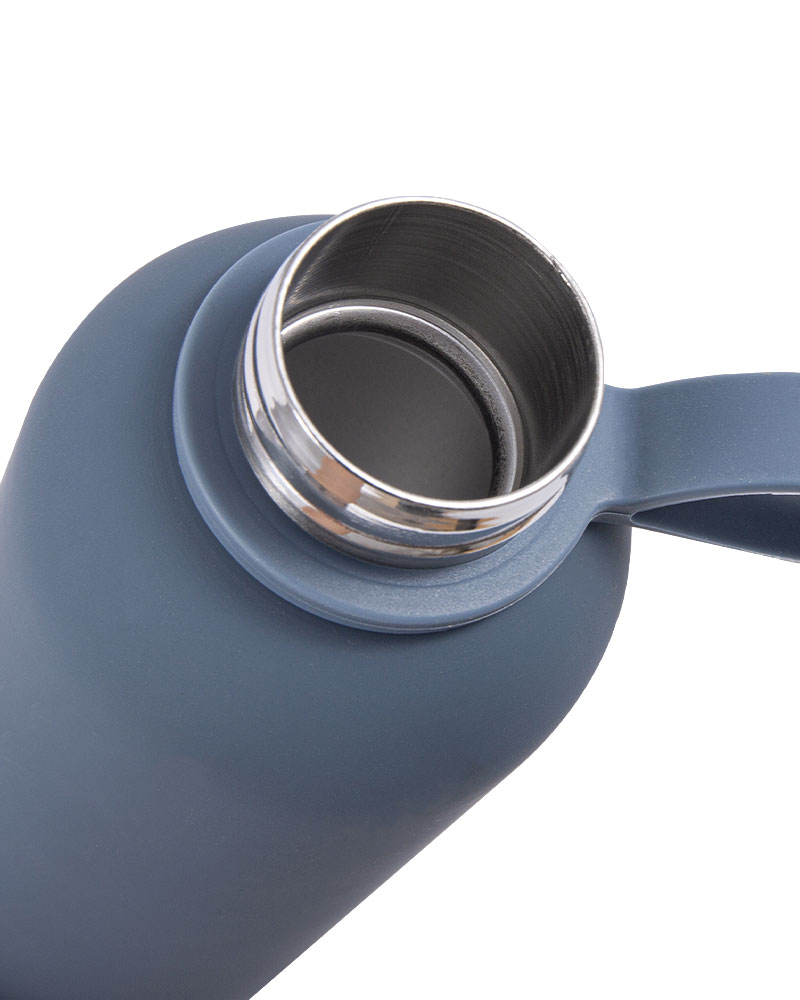
Stainless steel is commonly used for the inner surface because it does not react easily with most drinks. Still, small differences in surface treatment and material grade can change how neutral the inside environment feels over time.
What tends to be observed in practice:
- Some bottles keep a neutral taste even after repeated use with coffee or tea
- Others may slowly hold light traces of previous drinks if cleaning is not thorough
- Strong flavored liquids can leave a mild lingering note if left for long periods
The experience is usually gradual rather than immediate, and it becomes more noticeable with repeated daily use rather than a single use.
What cleaning design features make a portable insulated bottle easier to maintain hygiene in narrow openings
Cleaning is often where small design decisions become very noticeable. A narrow opening can make the bottle easy to carry, but it also limits how easily the inside can be reached during washing.
In daily routines, cleaning behavior is usually simple and repeated, so even small structural details start to matter more than expected.
Some design features that influence cleaning experience:
- Smooth inner wall transitions with fewer internal corners
- Wider opening sections that allow basic brush access
- Removable lid parts that can be separated for rinsing
- Fewer hidden grooves where liquid can stay after use
When cleaning is difficult, residue tends to stay longer than intended, especially after drinks like tea or milk-based beverages. Over time, this can influence both smell and overall user comfort.
How daily opening habits can influence temperature consistency in a portable insulated bottle
The way a bottle is used throughout the day can influence temperature consistency just as much as its structural design. Even when the insulation system remains unchanged, frequent interaction with the lid creates repeated opportunities for heat exchange.
In many everyday situations, temperature changes are linked to usage patterns rather than the bottle itself. A container that stays sealed for longer periods will often maintain a more stable internal environment than one that is opened repeatedly over short intervals.
Common habits that may affect temperature consistency include:
- Taking multiple short sips within a brief period
- Leaving the lid open while working or taking a break
- Opening the bottle to check the remaining liquid
- Refilling before the internal temperature has stabilized
These actions may seem minor on their own, but they gradually introduce outside air into the container. Over time, repeated interruptions can influence how steadily the stored beverage maintains its original temperature.
The effect is usually more noticeable during routines that involve frequent access to the bottle. By comparison, longer sealed periods allow the insulation system to operate with fewer interruptions, resulting in a more consistent temperature experience throughout the day.
How portable insulated bottle capacity and shape affect portability and everyday carrying comfort
Capacity and shape are often discussed as simple size choices, but in real use they influence how the bottle fits into daily movement patterns. A portable insulated bottle is usually carried in bags, cup holders, or handheld positions, and each of these situations reacts differently to form and volume.
Shape also affects how weight feels during movement, not just how much liquid it holds. A taller structure may fit certain storage spaces better, while a wider body may feel more stable when placed on flat surfaces.
| Design aspect |
Practical effect in daily use |
Typical observation |
| Tall and slim form |
Easier to place in side pockets or narrow spaces |
May feel less stable when standing on uneven surfaces |
| Short and wide form |
Feels more grounded when placed down |
Can take more space in compact bags |
| Balanced mid form |
Fits general carrying situations |
Often used in mixed daily routines |
In real conditions, carrying comfort is not only about size, but also about how the bottle interacts with surrounding items during movement. Small differences in shape can change how naturally it fits into repeated daily routines.

 English
 Español