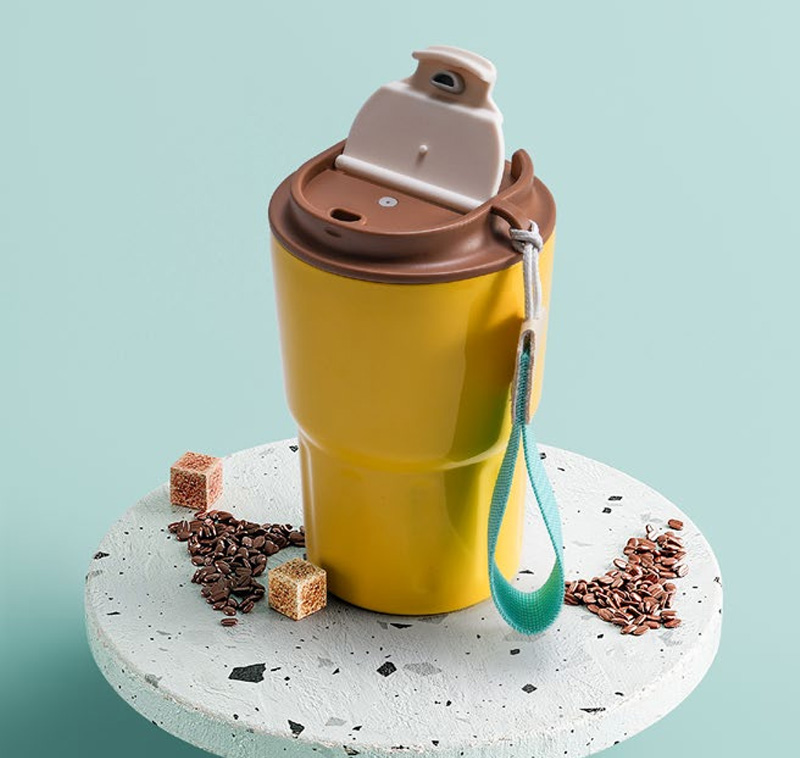
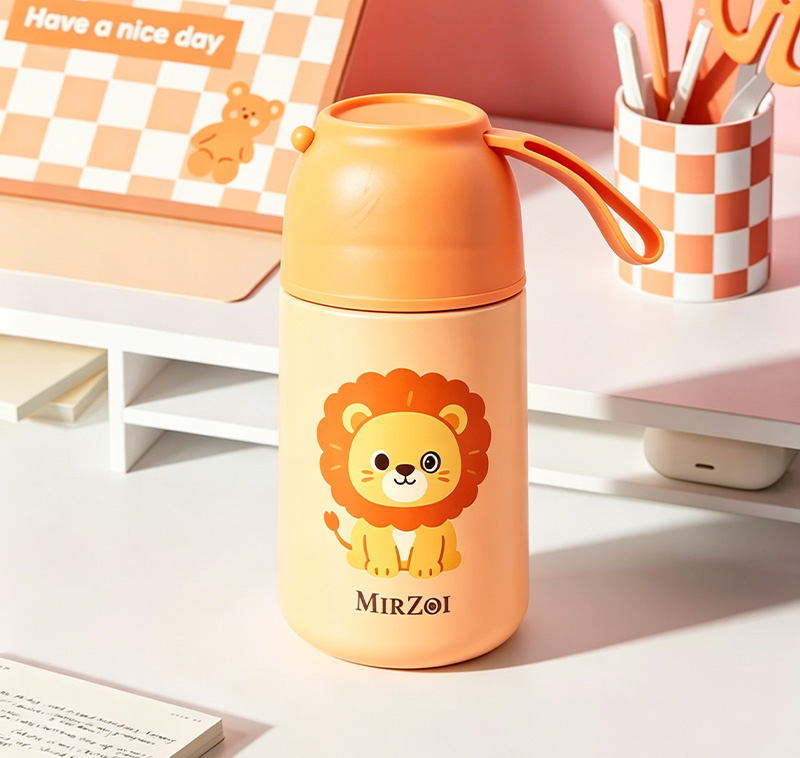
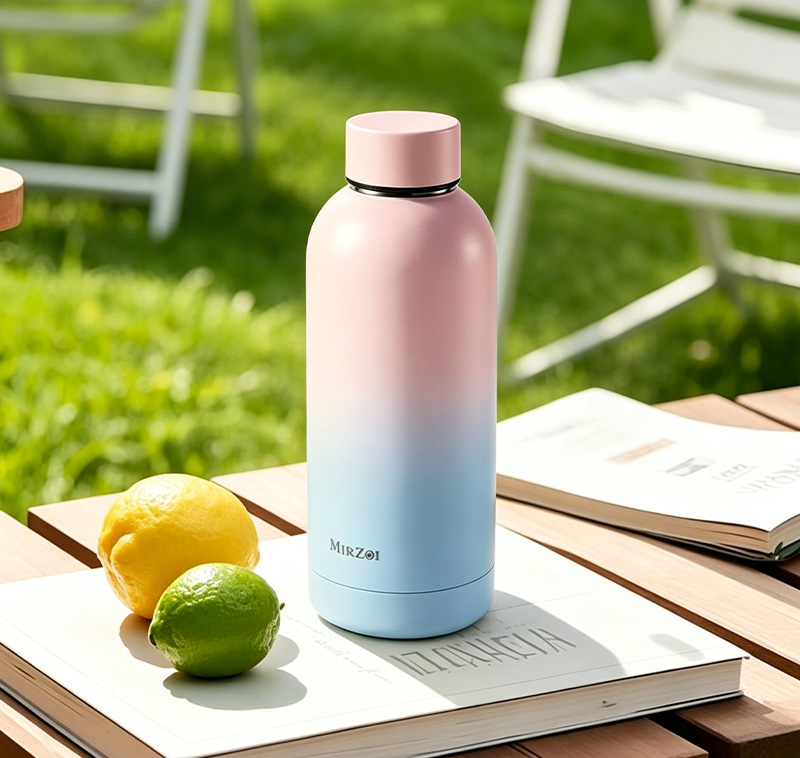
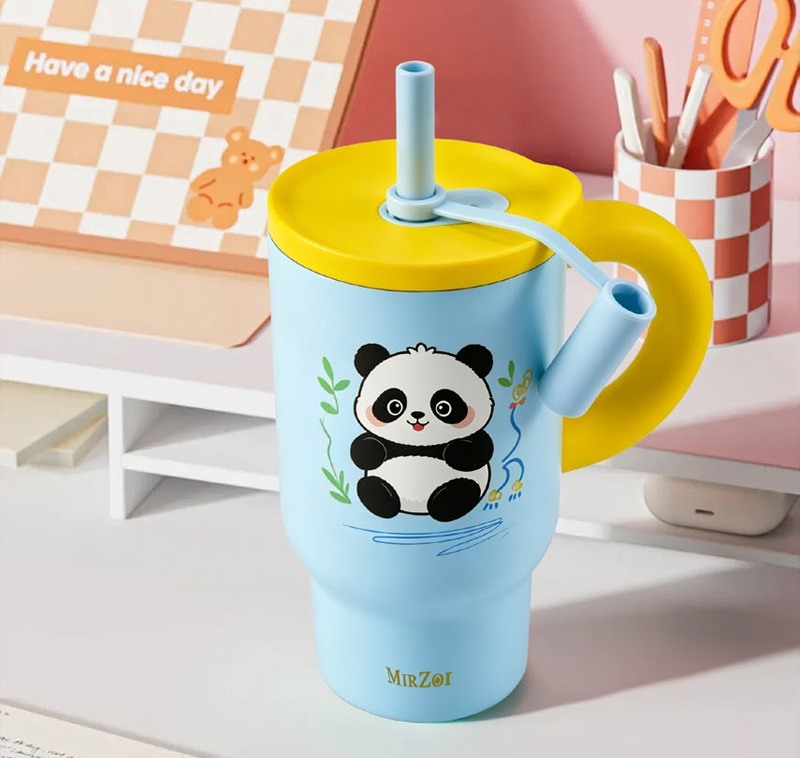
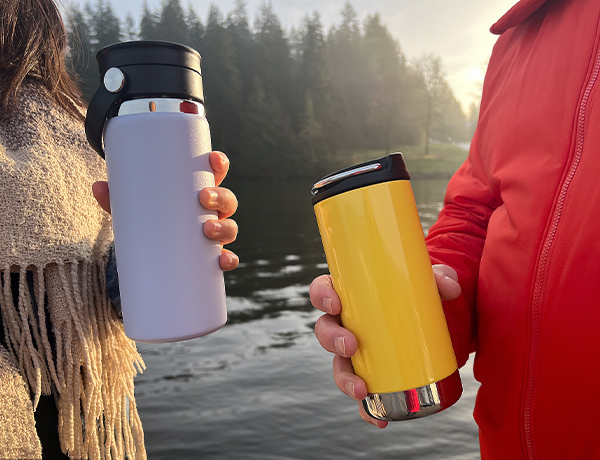
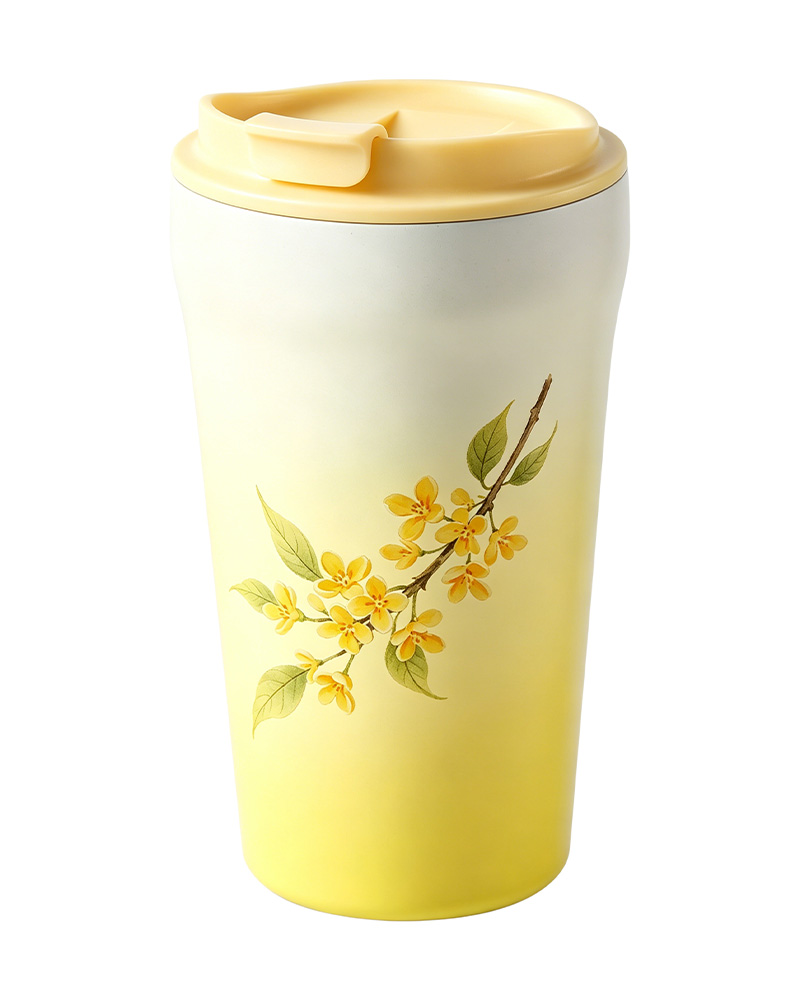
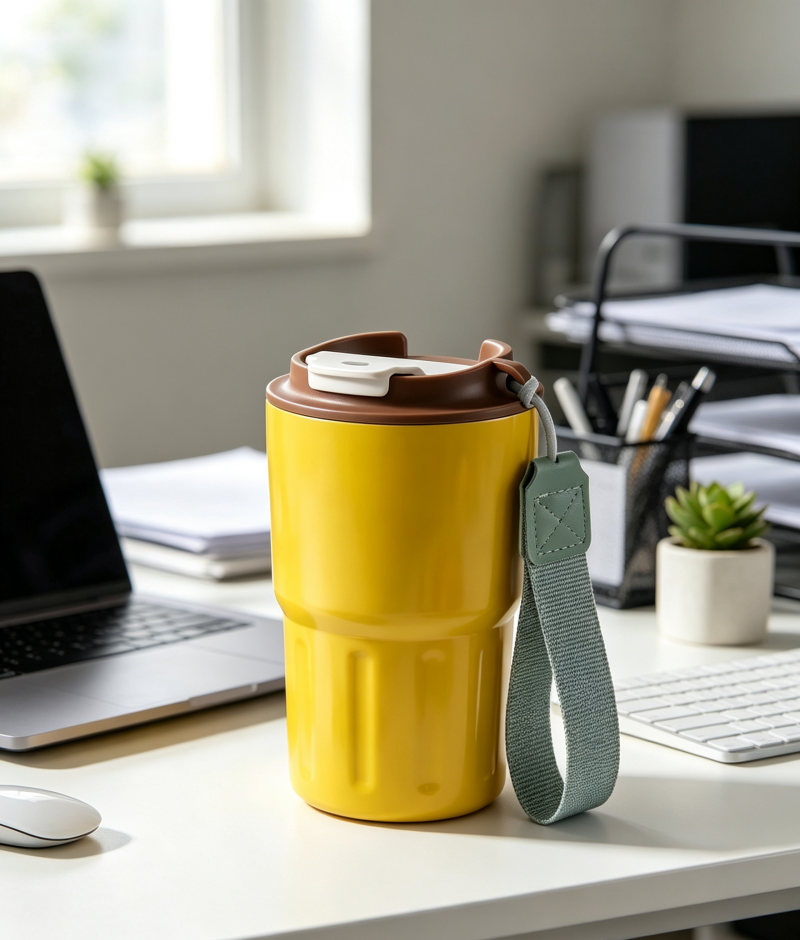
Inside a vehicle, drink handling is shaped by movement rather than stillness. A Car Travel Mug is constantly exposed to vibration, short stops, and repeated handling within a limited space. These conditions make small structural details more noticeable than they would be in static use.
Most usability feedback does not come from ideal situations. It comes from driving moments where balance shifts slightly, a lid is opened quickly, or the mug sits in a holder that does not fully match its shape.
What makes a car travel mug fit securely in different vehicle cup holders during daily driving
Cup holders vary more than expected. Some are tight and supportive, others leave extra room that allows slight movement. For a Car Travel Mug, this difference directly affects how stable it feels once placed.
Fit is not only about diameter matching. It is also about how the base behaves after contact. A stable position usually comes from subtle structural alignment rather than forceful locking.
Key factors that influence this behavior:
- Base shape that settles rather than wedges
- Gentle side contact instead of rigid pressure
- Lower transition between base and body to avoid imbalance points
When placement is consistent, movement tends to stay minimal even during normal driving shifts. If not, the mug slowly adjusts itself with every turn or stop.
How to improve stability of a car travel mug during sudden braking and road bumps
Vehicle motion rarely stays predictable. Braking, lane changes, and uneven surfaces all create short bursts of force that affect balance.
A Car Travel Mug responds to these forces through both external contact and internal liquid movement. Even when the base is stable, fluid inside can shift and amplify motion.
| Design factor |
Effect on movement behavior |
| Wider base contact |
Limits lateral shifting |
| Lower weight distribution |
Reduces tipping tendency |
| Smooth exterior base |
Increases small repeated sliding |
| High upper mass |
Makes tilt more noticeable |
In real driving, the effect is often gradual rather than sudden. The mug does not fail to stay upright immediately, but small adjustments repeat until balance is restored.
How to design a car travel mug that allows safe one hand drinking without distracting the driver
One handed use depends on reducing unnecessary steps. A Car Travel Mug that requires multiple adjustments increases the time hands are off the steering wheel or delayed in returning to control.
The interaction usually becomes smoother when:
- The opening motion follows a direct path without rotation
- The grip remains stable even when pressure shifts during movement
- The drinking point is naturally aligned with a forward hand position
Shorter interaction chains tend to feel more predictable. Instead of focusing on speed, the main point is reducing interruptions in motion flow.
Even small reductions in adjustment steps can change how safely the mug is used during traffic movement.
Which lid structures reduce leakage risk when a car travel mug is placed in side door storage
Side door storage introduces irregular angles and partial tilting. Unlike cup holders, the mug may not remain fully vertical. This makes lid structure the primary control point for leakage risk.
A Car Travel Mug used in this position depends on how well the lid maintains sealing integrity under shifting orientation.
| Lid structure type |
Behavior in side door storage |
| Press seal closure |
Holds position well under tilt but needs stronger opening force |
| Sliding cover design |
Easier access but may allow small gaps if not aligned |
| Rotating lock lid |
Maintains stable closure during movement but requires full alignment |
| Multi-point seal system |
Handles uneven pressure but adds structural complexity |
Performance differences often appear only during movement. A lid that seems stable on a flat surface may behave differently once placed inside a door compartment with repeated vibration.
Why temperature retention changes when a car travel mug is used during short urban commutes
Short distance driving creates a different usage rhythm compared to longer continuous travel. A Car Travel Mug in this scenario is opened more frequently, even within a limited time frame. That alone affects temperature behavior more than many users expect.
Heat loss is not only about insulation strength. It is also about exposure frequency and how long the lid stays open during small interactions.
In typical short trips, a few patterns tend to appear:
- Repeated opening interrupts thermal stability before it settles
- Small sips taken at stops expose liquid to air more often
- Interior vehicle temperature shifts quickly with ventilation changes
Because of this, temperature changes feel less gradual and more noticeable in short intervals. The mug is not failing to hold temperature, but the usage pattern prevents stable retention from fully developing.
How to reduce condensation and wet surfaces inside a car environment using a travel mug design
Condensation inside a vehicle environment is often caused by temperature differences between the mug surface and surrounding air. A Car Travel Mug placed in an air conditioned space tends to show this effect more clearly.
It usually starts as a light moisture layer that gradually spreads depending on surface material and airflow inside the cabin.
Design behavior that influences condensation:
- External surface insulation that limits rapid temperature contrast
- Controlled outer wall texture that reduces moisture spread
- Lid sealing that prevents internal vapor escape
In practice, condensation is not constant. It appears more strongly during longer stationary periods or when air circulation is uneven inside the vehicle.
What materials are more suitable for long term durability of a car travel mug in daily use
Material choice affects how the mug responds to repeated heat, cooling, and handling cycles. A Car Travel Mug used daily is exposed to both mechanical contact and temperature variation in a confined space.
Durability is not only about hardness or thickness. It is also about how materials respond after repeated environmental changes.
Common material behavior considerations include:
- Resistance to surface wear from repeated placement in holders
- Stability under alternating hot and cold liquid exposure
- Ability to maintain structure after frequent cleaning cycles
- Surface behavior when exposed to friction from vehicle interiors
No single material performs uniformly in every condition. The selection usually depends on which type of stress is expected to be more frequent during use.
What cleaning design choices help prevent odor buildup inside a car travel mug over time
Odor accumulation is often linked to hidden residue areas rather than the visible interior surface. A Car Travel Mug that looks clean externally may still retain traces in less accessible parts.
This becomes more noticeable when different beverages are used over time without deep cleaning cycles.
| Design element |
Effect on residue and odor behavior |
| Narrow internal corners |
Can trap liquid residue after rinsing |
| Detachable lid components |
Allow more complete cleaning access |
| Deep sealing grooves |
May retain moisture if not fully dried |
| Smooth inner wall surface |
Reduces areas where residue can settle |
Cleaning effectiveness depends less on frequency alone and more on whether all internal zones are reachable. When certain areas remain consistently damp, odor tends to develop gradually rather than immediately.

 English
 Español