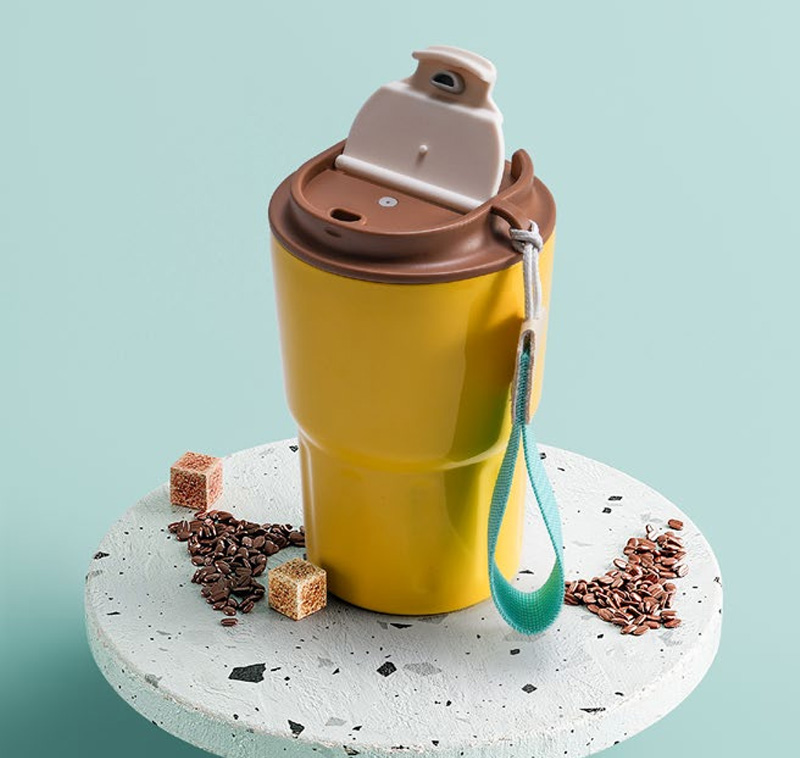
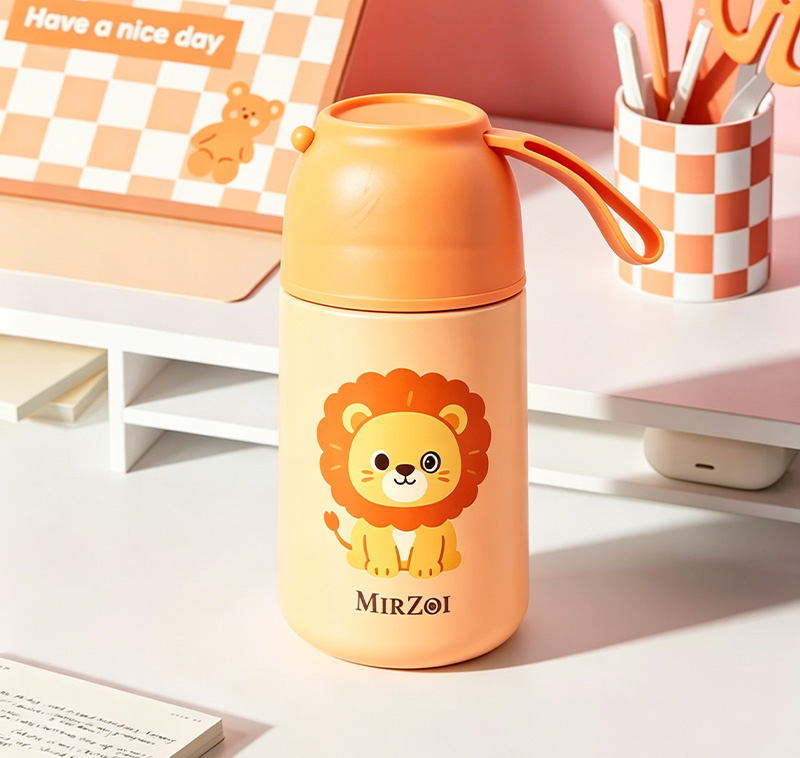
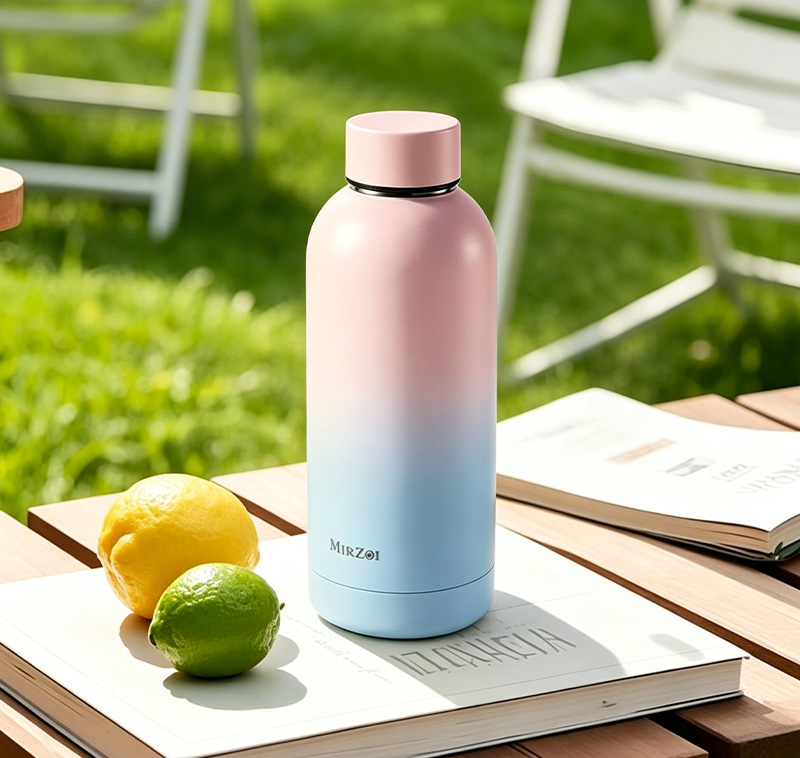
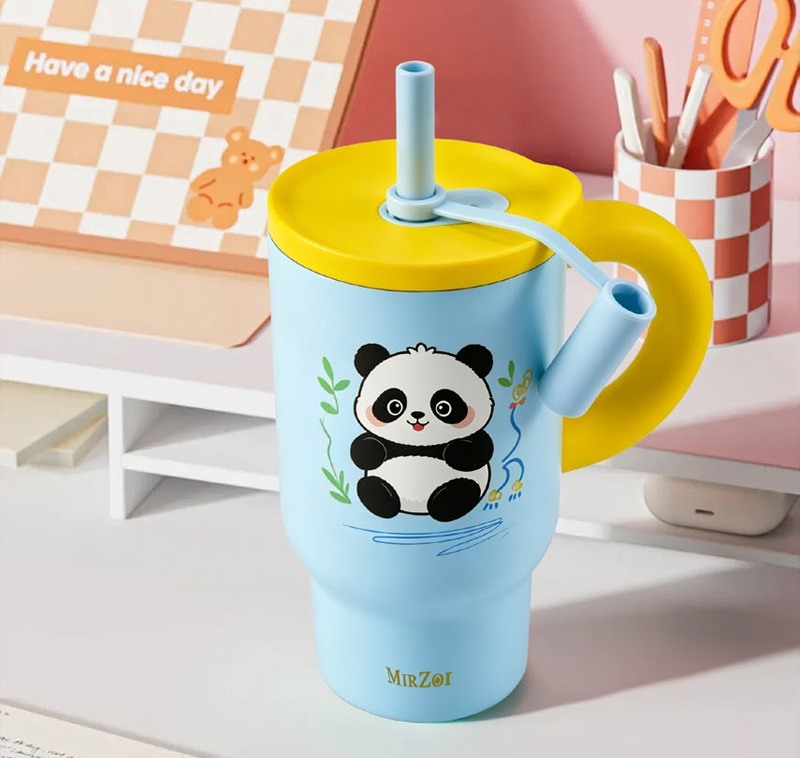
Insulated bottles are built through a chain of controlled manufacturing steps, where small variations in structure or material behavior can change how the product performs in everyday conditions. Temperature holding, sealing stability, and surface durability are not isolated features. They are connected to how the bottle is formed, assembled, and finished on the production side. In practice, an Insulated Bottle Manufacturer focuses on keeping these stages aligned so the final output behaves consistently across different usage environments.
How Vacuum Insulation Layers Affect Temperature Retention Stability in Everyday Use
The vacuum layer sits between two metal walls and reduces direct heat transfer. When air is removed, heat movement becomes slower, especially through conduction and convection. In real use, this does not stay completely constant because the internal condition reacts to handling and opening frequency.
Temperature behavior is usually shaped by how evenly the vacuum space is formed. If wall spacing shifts slightly during forming or welding, heat flow patterns inside the structure can change. That is why some bottles feel stable at first but show gradual variation after repeated use.
Stability is commonly linked to a few production-sensitive points
- uniform spacing between inner and outer layers during forming
- sealing quality around the welded edge
- structural balance after shaping and cooling
In production practice, an Insulated Bottle Manufacturer often checks whether the vacuum condition remains consistent after assembly rather than focusing only on the initial sealing stage.
Why Stainless Steel Material Selection Matters for Taste Neutrality and Long Term Storage Performance
Stainless steel is used because it reacts less with liquids compared to many other metals. Even so, different grades behave differently when exposed to long contact time, especially with beverages that contain acids or natural compounds.
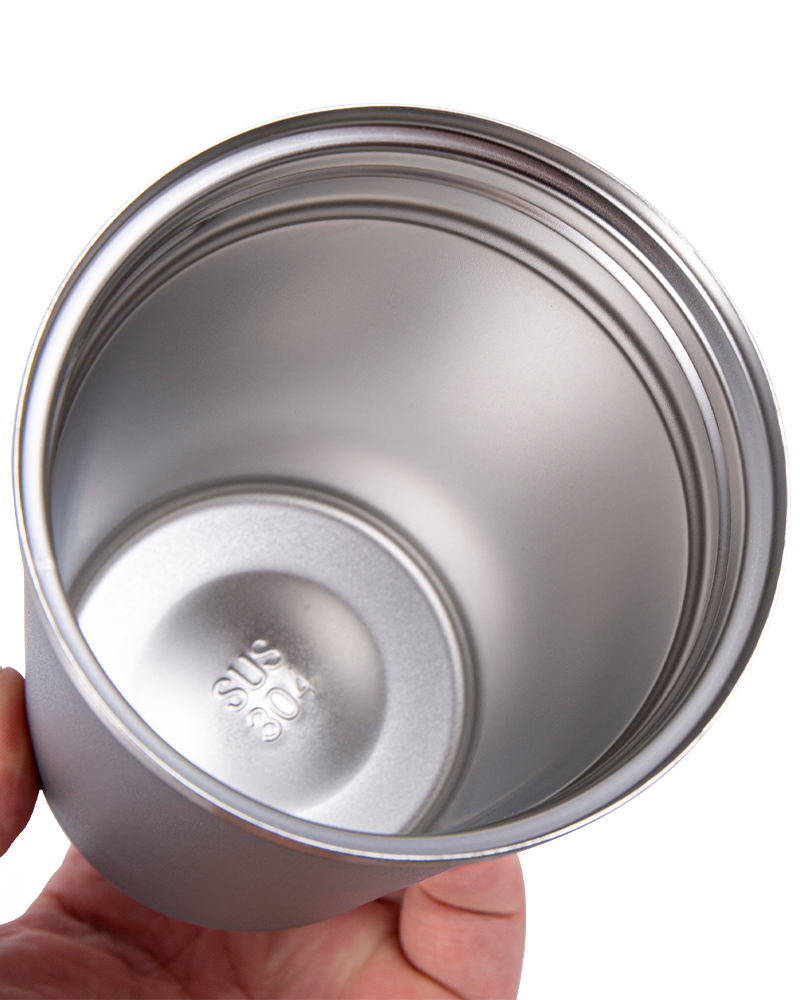
Taste neutrality is not only about the metal itself. It is also influenced by how the inner surface is finished. A smoother internal surface tends to hold fewer residues, while uneven micro texture can allow buildup over repeated cycles of use and cleaning.
In practical production decisions, material selection usually considers
- how stable the surface remains after repeated liquid exposure
- how easily residues can form under low cleaning frequency
- how the inner finish interacts with different beverage types
Within an Insulated Bottle Manufacturer workflow, material choice is often paired with internal finishing methods to reduce long-term taste variation rather than relying on material grade alone.
How Bottle Cap Structure Design Influences Leakage Risk and User Experience in Real Scenarios
The cap system controls sealing, opening behavior, and movement resistance during transport. Leakage usually appears not from a single failure point but from small mismatches between sealing surfaces and mechanical alignment.
When the cap is closed, pressure is distributed through the sealing ring. If the contact area is not uniform, small gaps may appear under motion or vibration. This is more noticeable in daily carrying situations such as bags or vehicle storage.
Key structural elements that influence performance include
- thread alignment consistency during tightening
- contact pressure between seal ring and bottle mouth
- stability of moving parts in flip or press systems
An Insulated Bottle Manufacturer typically evaluates cap performance through repeated assembly cycles, since small wear patterns in the sealing interface can gradually change how tightly the system holds under movement.
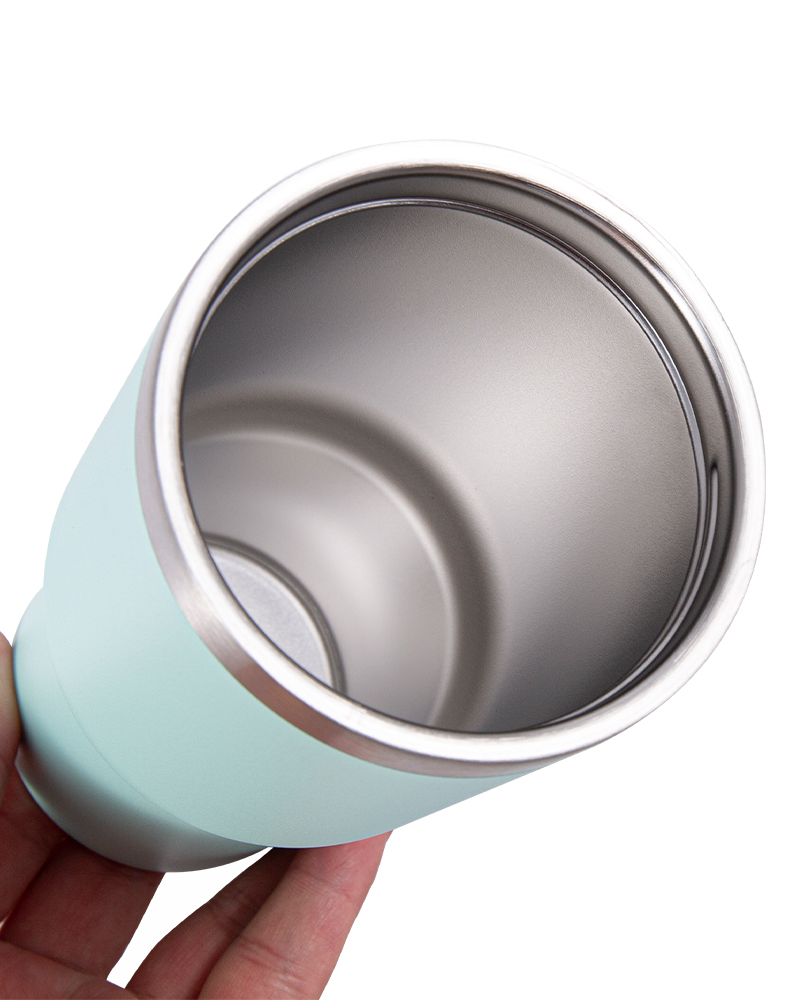
What Manufacturing Steps Inside Insulated Bottle Production Determine Final Product Consistency
Consistency depends on how well each production stage connects to the next. The bottle is not formed in a single step, but through a sequence where each stage influences the next structural condition.
Metal forming is the first stage where wall shape and spacing begin to take form. Even slight deviation here can affect how the inner and outer layers align later during assembly. After forming, welding defines how stable the double wall structure becomes, especially around stress points.
Surface treatment and coating introduce another layer of variation. If coating thickness is uneven, the outer surface may respond differently to wear over time. Assembly of the cap system adds final mechanical behavior that affects sealing and handling.
Across these stages
- forming controls basic geometry
- welding stabilizes internal structure
- coating affects surface response
- assembly defines user interaction
In practice, an Insulated Bottle Manufacturer manages these steps as a continuous flow rather than separate processes, since inconsistency often appears when transitions between stages are not tightly controlled.
How Powder Coating Process Impacts Surface Durability and Daily Scratch Resistance of Bottles
The outer finish does more than shape appearance. It changes how the surface reacts to contact, friction, and repeated handling. A coating that spreads evenly tends to hold up better in daily use, while uneven coverage can show wear sooner along edges, corners, and grip areas.
Scratch resistance is often linked to how the coating bonds to the base surface during production. When adhesion is stable, the finish is less likely to chip at touch points or around areas that are exposed to repeated rubbing. That is why the process behind the coating matters as much as the look of the final surface.
Some practical points usually shape the outcome
- even coverage across curved areas
- stable adhesion after curing
- consistent finish around seams and joints
A finish can still look smooth at the start and behave differently later if the coating layer was not applied with enough uniformity. In daily use, that difference tends to show first on the parts people touch most.
Where Quality Variation Usually Appears During Insulated Bottle Manufacturing and Assembly Process
Quality variation usually appears where material, heat, and assembly pressure meet. These are the stages where small shifts are easy to miss during production but become noticeable after the product is in use.
The first weak point is often the transition between forming and welding. If the shape changes slightly before sealing, the fit of the inner and outer walls may drift. Another common point is the cap assembly stage, where alignment and sealing contact need to stay steady across repeated installation.
| Stage |
Common Variation Point |
Possible Result |
| Forming |
Shape drift or uneven wall spacing |
Changes in internal fit |
| Welding |
Uneven seam contact |
Structural inconsistency |
| Coating |
Thickness variation on edges |
Surface wear appears sooner |
| Assembly |
Seal alignment shift |
Leakage risk may increase |
These differences are not always visible at first glance. They often appear later through handling behavior, seal performance, or changes in the outer finish. Careful process control helps reduce that spread before products move into packaging.
How Temperature Testing Curves Reveal Real Thermal Performance Beyond Single Point Measurements
A single temperature check only shows one moment. A curve shows the change over time, which gives a clearer picture of how the bottle behaves under use conditions. That matters because heat retention is rarely steady from start to finish.
A stable curve usually means the structure is holding temperature in a gradual and controlled way. A curve that drops sharply may point to insulation loss, seal weakness, or a design that reacts quickly once the bottle is opened. The shape of the curve often tells more than the final reading.
What the curve can reveal
- how fast heat shifts after filling
- whether the insulation holds steadily or declines early
- how opening frequency changes the internal condition
Temperature curves are useful because they show pattern, not only endpoint. In production review, that difference helps separate a bottle that simply looks adequate from one that holds its condition in a more controlled manner.
What OEM Customization Options Change in Insulated Bottle Manufacturing Structure and Production Flow
Customization affects more than the appearance of the bottle. Once the logo method, shape details, lid style, or surface finish changes, the production path changes with it. Even a small design adjustment can affect tooling, assembly steps, and inspection points.
Some custom requests mainly influence the outer stage, while others change the internal structure. A different cap layout may require a new sealing setup. A revised body shape may alter forming behavior. Surface decoration can also change how the finish needs to be handled during curing and packing.
Common areas affected by customization include
- body shape and wall structure
- lid type and sealing fit
- marking method on the surface
- packaging arrangement for transport
When these changes are introduced, the production flow becomes less standard and more dependent on coordination between forming, assembly, and finishing. That is why custom work is often handled as a separate path rather than a simple add-on.

 English
 Español