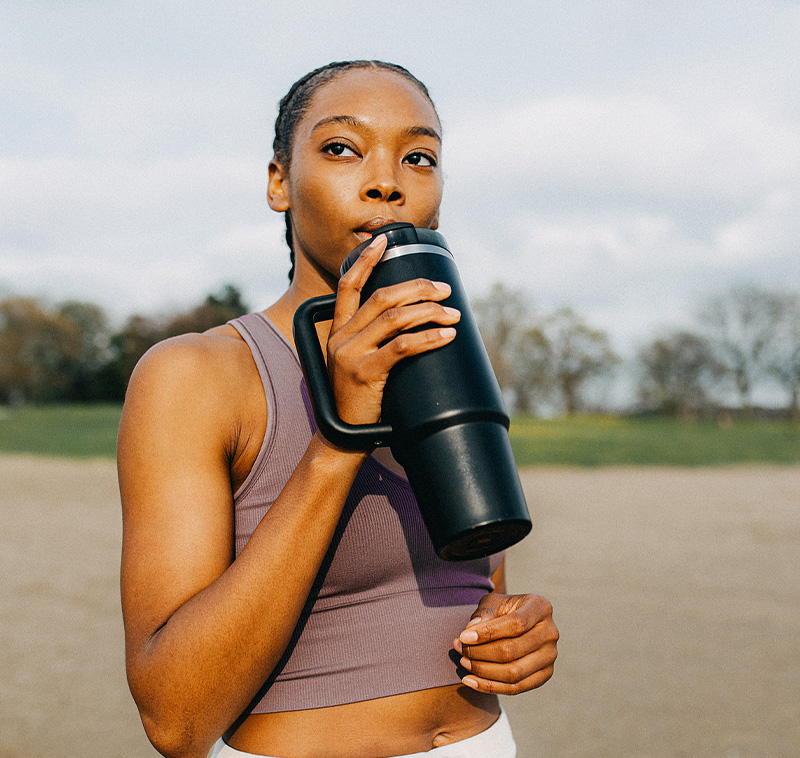
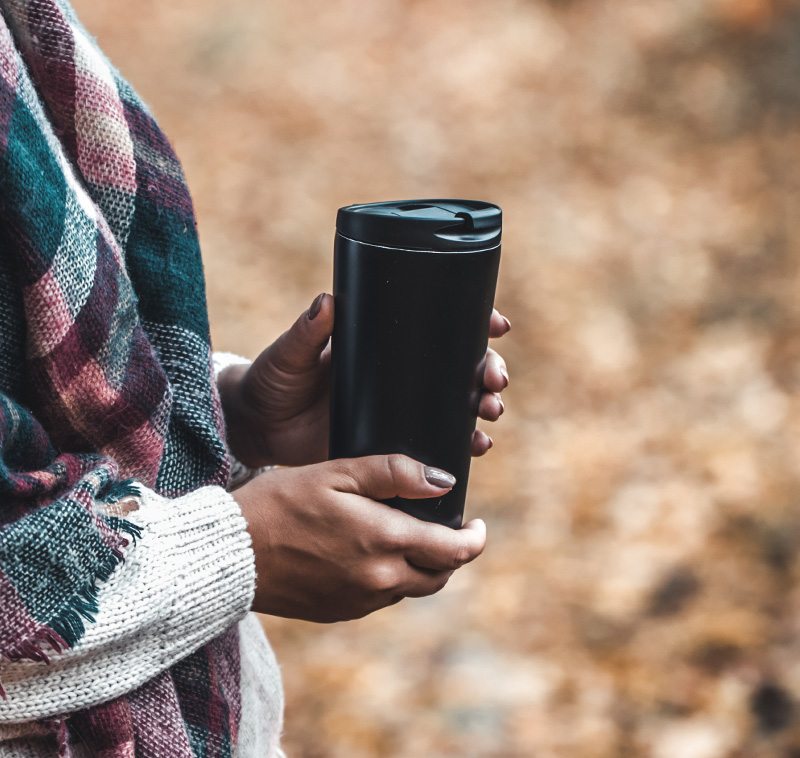
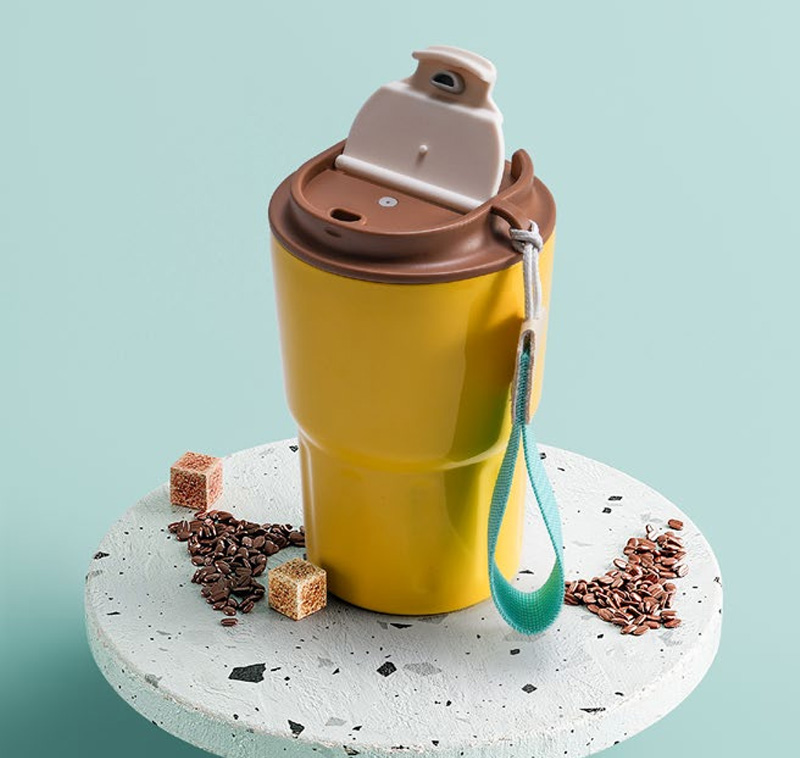
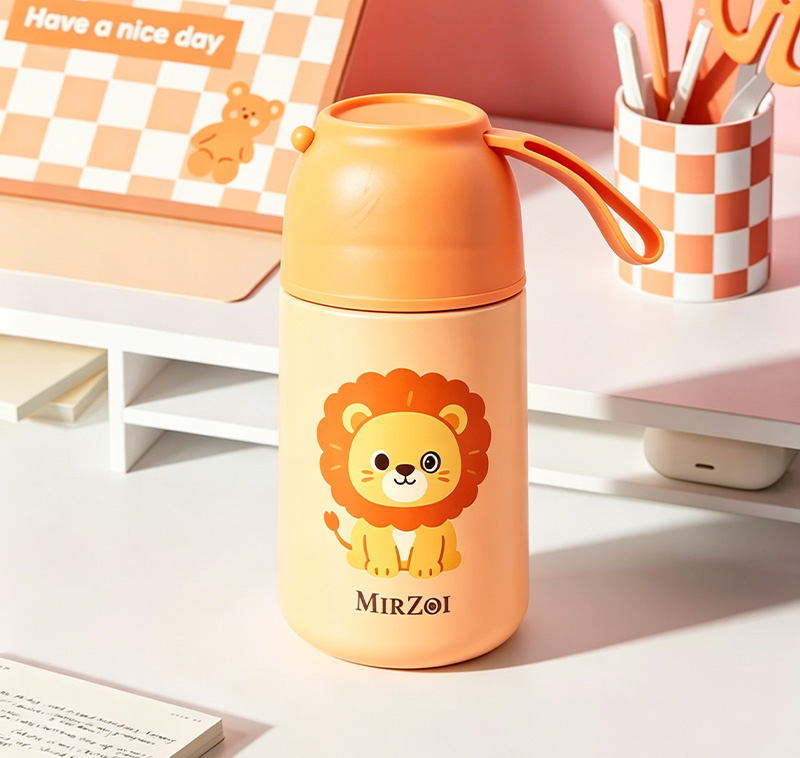
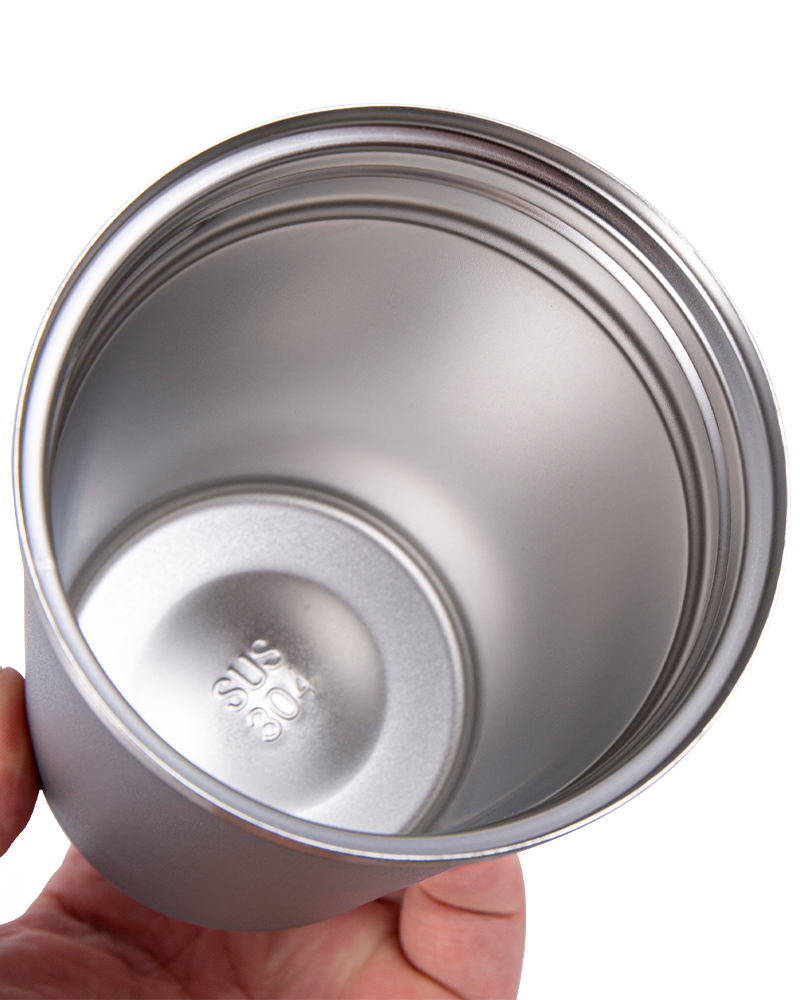
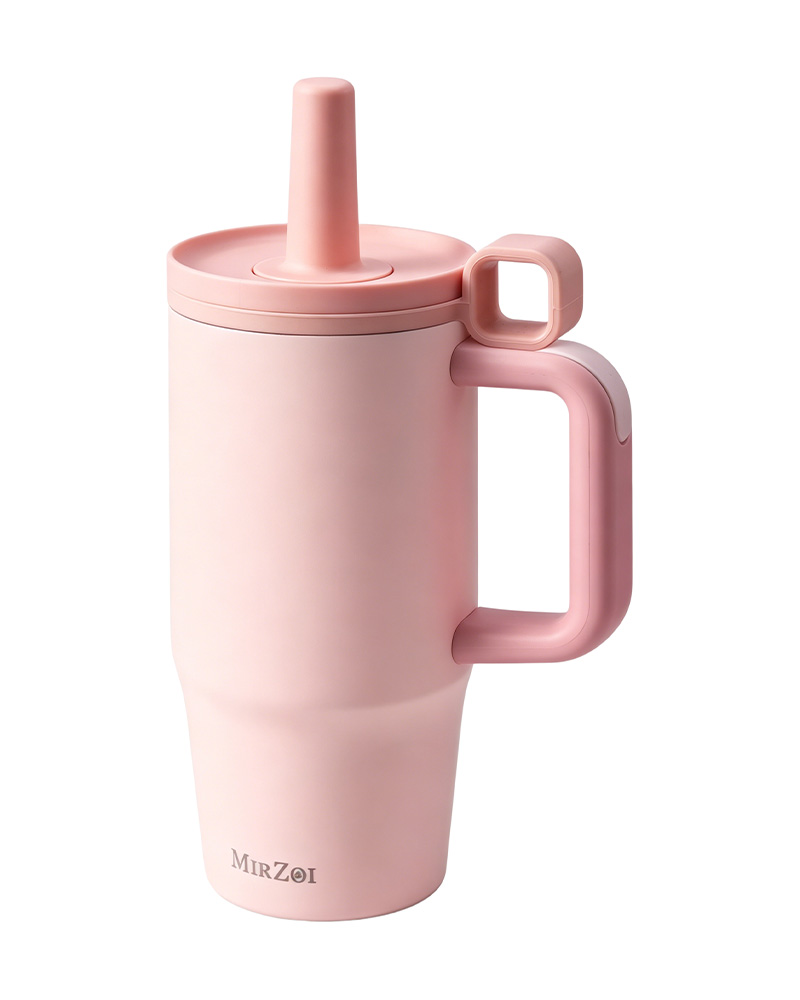
In daily routines such as commuting, office use, or outdoor activities, the experience of thermal containers is often defined by small but consistent behaviors rather than appearance alone. Discussion around Vacuum Insulated Bottle usually focuses on how it behaves under real usage conditions, especially when handling frequency, filling level, lid interaction, and surrounding environment changes.
What users often notice is not a single performance point, but a combination of factors that shape how stable the drinking experience feels over time. These factors tend to interact rather than work in isolation, which makes practical usage an important reference for understanding performance.
What makes a Vacuum Insulated Bottle maintain temperature stability during daily use
Temperature stability in everyday use is not determined by one isolated structure. It is the result of how the body structure, lid interface, filling condition, and handling patterns interact together.
In practical scenarios, stability is usually reflected through several consistent observations rather than technical explanations alone.
- Whether the container maintains internal consistency during short interruptions
- Whether external contact quickly changes internal conditions after opening
- Whether repeated handling creates noticeable variation in experience
A key point is that stability is often perceived through routine actions. A bottle placed on a desk behaves differently from one repeatedly opened during movement. This difference becomes especially noticeable in a Vacuum Insulated Bottle, where user behavior directly influences perceived consistency.
How lid design and sealing structure influence heat retention in a Vacuum Insulated Bottle
The lid structure plays a more active role than it may appear at first glance. It functions as the main interface between internal conditions and external air exchange, which makes its design highly relevant to overall performance behavior.
Several design aspects tend to influence user experience:
- The tightness of contact between lid and body
- The internal sealing element that controls air exchange
- The opening mechanism and how it affects exposure time
- The drinking outlet design and its control of flow consistency
A small change in one area can influence how the entire system behaves during repeated use. In many cases, user perception of thermal behavior is shaped more by lid interaction than by the container body itself.
Why opening frequency changes the temperature performance of a Vacuum Insulated Bottle
Each time the bottle is opened, internal conditions are briefly exposed to external air. When this happens repeatedly, the internal environment does not remain fully isolated, which gradually affects how stable the temperature feels.
This effect is usually noticed in everyday habits rather than controlled conditions.
- Occasional opening tends to keep internal conditions more consistent
- Frequent opening introduces repeated external influence
- Longer open duration increases exposure effects
From a usage perspective, it is not just the number of openings, but also how long the bottle remains open each time. These small behavioral differences accumulate over time, shaping the overall experience of a Vacuum Insulated Bottle without being immediately obvious to the user.
What happens inside a Vacuum Insulated Bottle when it is only partially filled with liquid
Fill level changes the internal balance between liquid and air space. When the container is not fully filled, the internal space allows more movement and interaction between liquid and air, which can subtly affect how the experience develops during use.
Common behavioral differences include:
- Increased air space leading to more noticeable internal movement during handling
- Greater surface exposure of liquid to internal air volume
- More variation during tilting, carrying, or repeated motion
| Fill Condition |
Internal Behavior Pattern |
User Experience Effect |
| Near full |
More stable internal balance |
More consistent drinking experience |
| Partially filled |
Larger air space interaction |
More noticeable variation during movement |
| Low fill level |
Higher sensitivity to motion |
Faster perception of change during use |
The difference is not about performance quality but about how the internal environment responds to physical space changes. In a Vacuum Insulated Bottle, this becomes more relevant when usage involves frequent movement or irregular consumption patterns.
How outdoor temperature conditions influence performance in real usage environments
Outdoor temperature does not directly change how a vacuum insulated container is constructed, but it influences how the experience is perceived during different usage moments. The effect is usually not immediate, and it becomes more noticeable when the container moves between different environments during the day.
In practical situations, the difference often appears during transitions. A bottle that stays in a stable indoor space behaves differently compared with one carried through alternating conditions such as walking outside, entering rooms, or being placed in a bag for a long time.
Common usage contexts where environmental influence becomes more noticeable:
- carrying the bottle in a backpack during commuting
- switching between indoor desk use and outdoor walking
- leaving the bottle unused for a period, then opening it in a different environment
- holding the bottle during short pauses between activities
These situations do not change the internal structure, but they affect how the opening moment feels. The experience becomes shaped by timing and exposure rhythm rather than static conditions.
Why temperature changes inside a bottle are not always linear over time
Temperature inside a sealed container does not move in a smooth, continuous line. Instead, it shifts in small steps depending on how often the bottle is opened, how long it stays exposed, and how it is handled during use.
In daily behavior, changes are often felt more strongly after certain actions rather than evenly across time. For example, repeated opening during a short period can create a more noticeable shift compared with a long resting phase where the bottle is left untouched.
This uneven behavior can be seen in common usage patterns:
- slow change during long idle storage inside a bag
- uneven variation after repeated opening during breaks
- small disturbances when the bottle is shaken or moved
- gradual settling when the bottle is left undisturbed
The experience is therefore influenced by interaction moments rather than time alone. Each opening acts like a small interruption to an otherwise stable condition.
Which usage habits can quietly reduce insulation performance in daily routines
Daily habits play a larger role in perceived consistency than many users expect. Even when the structure remains unchanged, repeated small actions can influence how stable the experience feels over time.
Some behaviors do not seem important individually, but they accumulate through repeated use cycles. These include leaving the container open for longer than necessary, frequent partial openings during drinking, or repeatedly switching between different environments without allowing the bottle to settle.
Typical usage patterns that influence experience:
- keeping the lid open while multitasking during work or travel
- repeated short openings instead of fewer controlled drinking moments
- carrying the bottle through alternating temperature spaces throughout the day
- storing partially used liquid for long periods without consistent use
| Usage behavior |
Internal condition effect |
Perceived experience change |
| Frequent short opening cycles |
More repeated exposure to outside air |
Less stable feeling during use |
| Long idle storage in stable place |
Fewer disturbances inside container |
More consistent drinking experience |
| Movement between environments |
Repeated external influence during handling |
Noticeable variation during opening moments |
| Shaking or continuous movement |
Small internal fluid disturbance |
Slight inconsistency in temperature feel |
These patterns do not alter the physical structure, but they influence how the internal state is experienced during daily routines. The perception of stability becomes closely tied to how the bottle is handled rather than how it is designed.
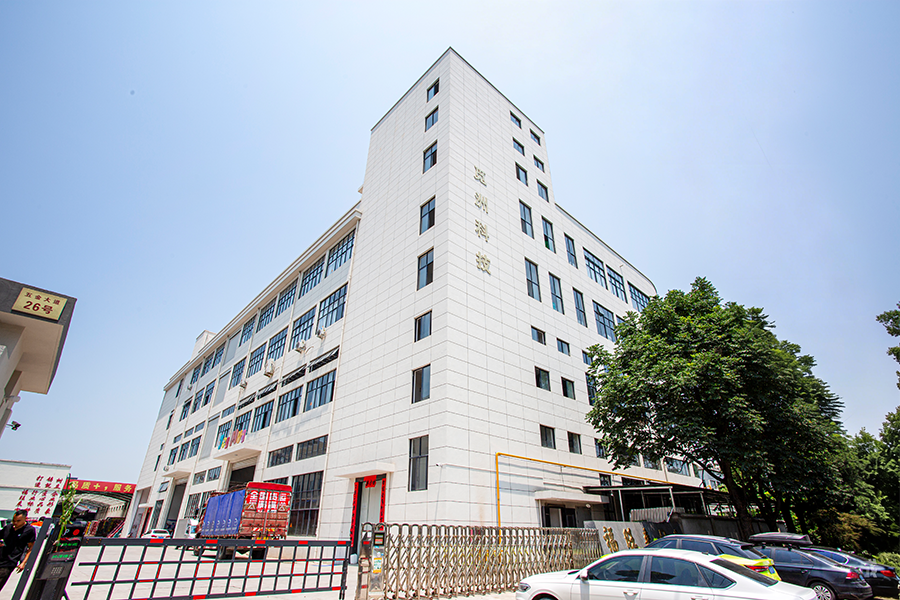
In production and design discussions related to thermal container applications, practical usage behavior is often considered alongside structural and sealing characteristics. Within this type of manufacturing and development environment, Zhejiang Mizhou Technology Co., Ltd is referenced in connection with Vacuum Insulated Bottle related production contexts and application-oriented design considerations.

 English
 Español