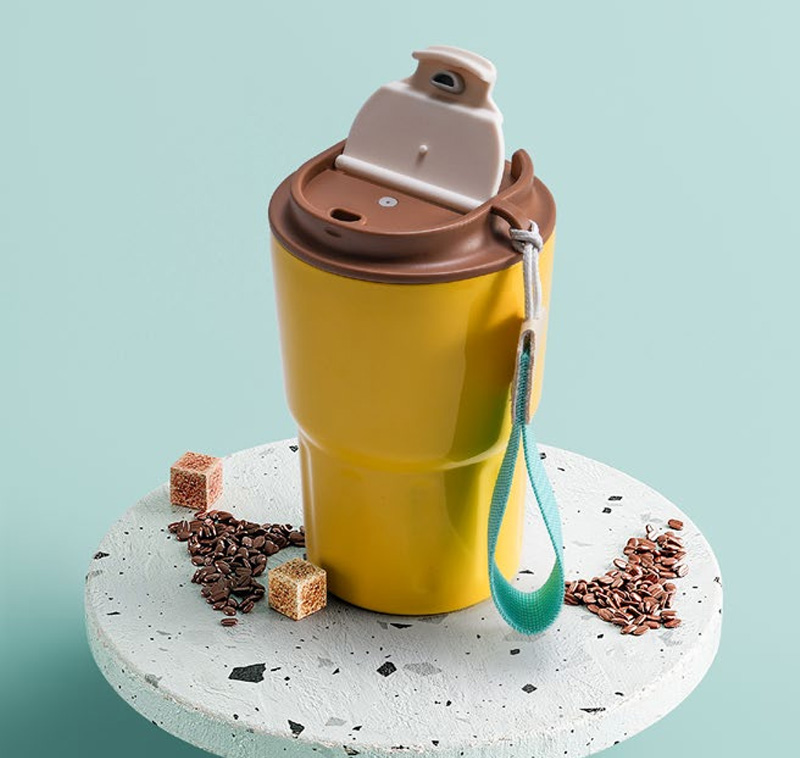
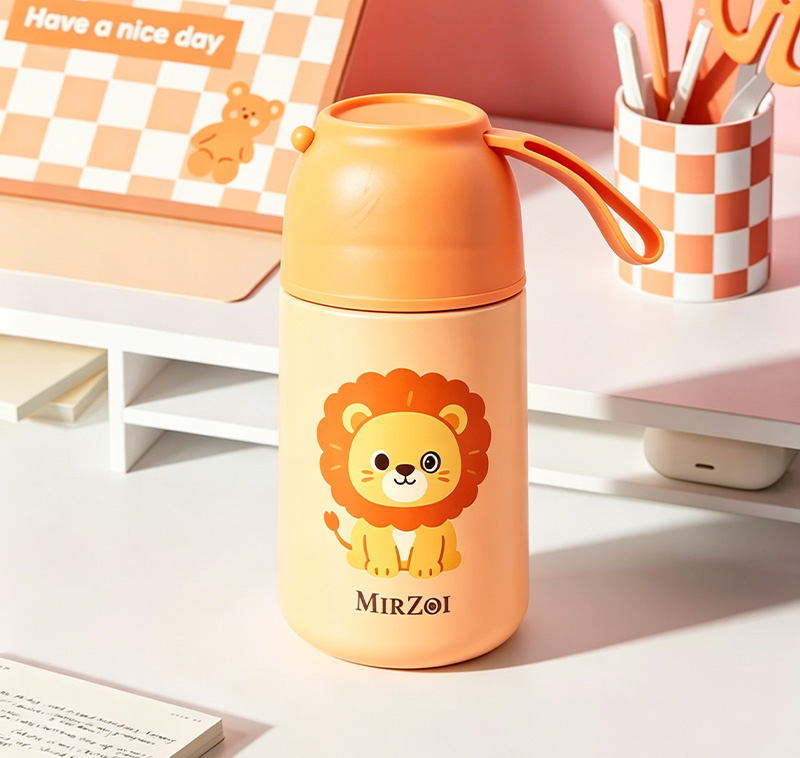
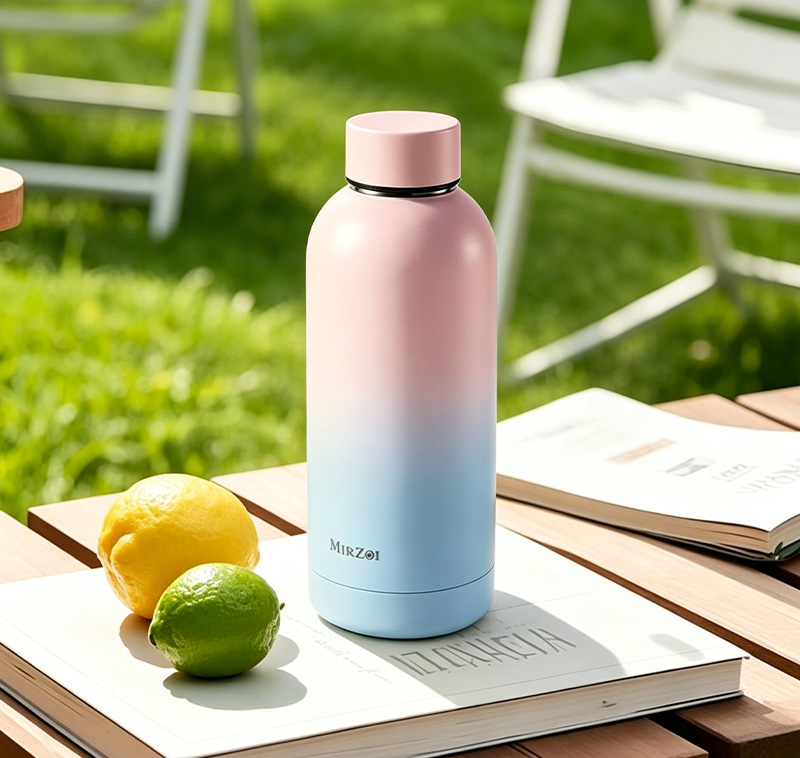
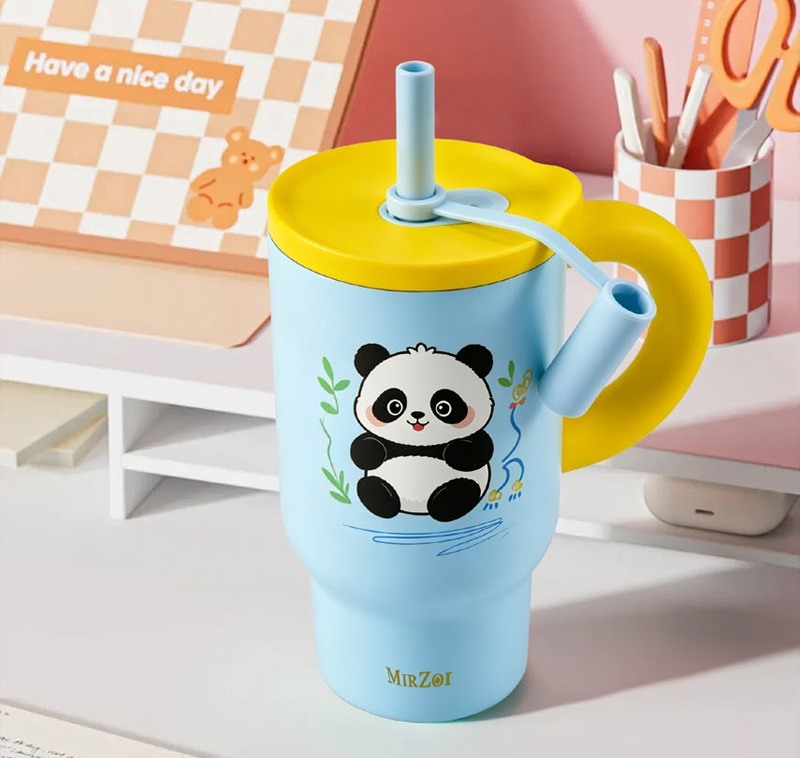
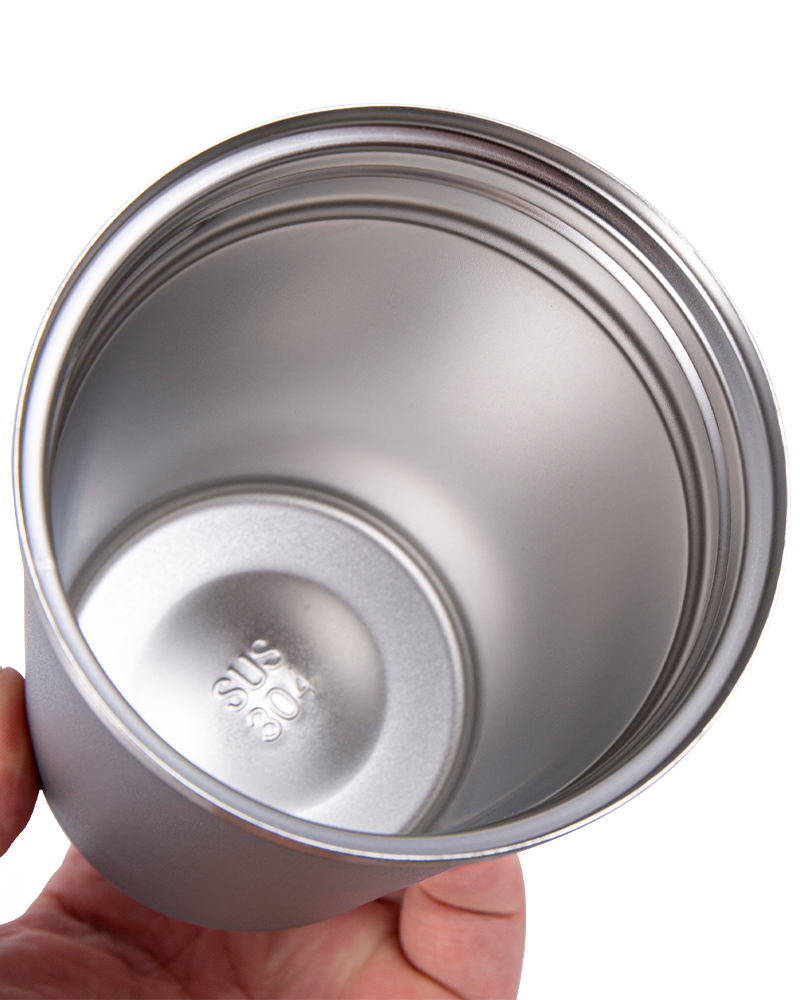
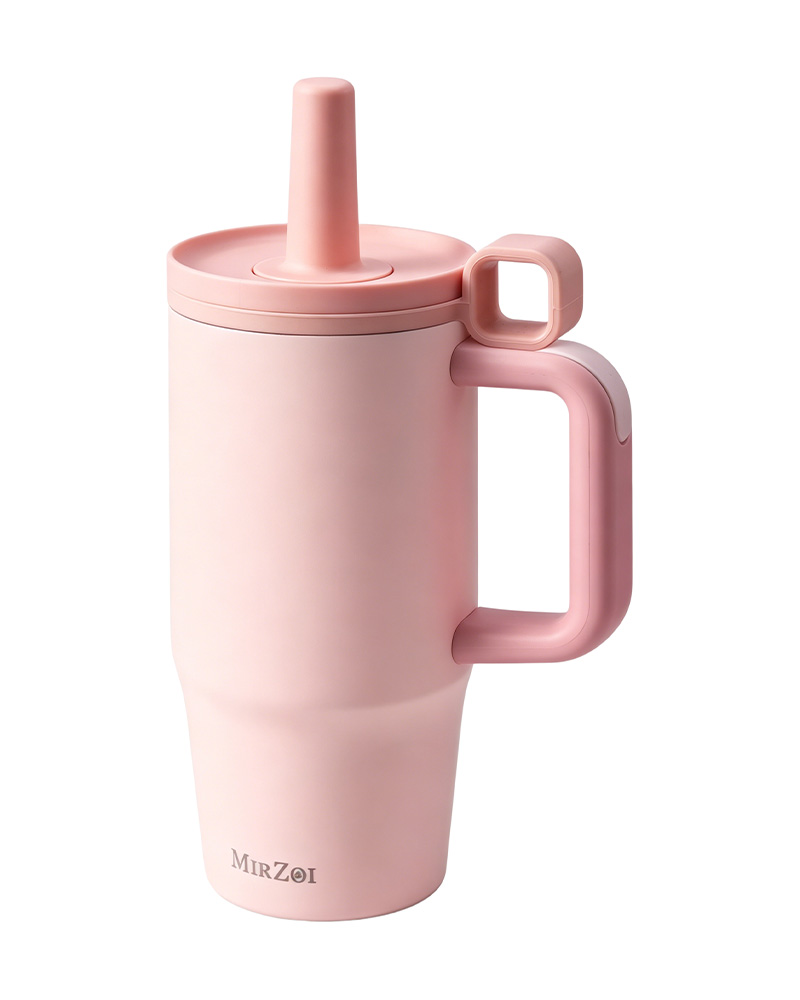
Coffee containers used for commuting are being designed around more than temperature retention. Daily movement, one-handed operation, cleaning routines, and the need to keep liquid inside the container have all become part of the design discussion. As people carry coffee between homes, workplaces, vehicles, and other daily destinations, small changes in lid structure or opening design can affect how a container performs in ordinary use.
This has brought greater attention to the design of the Spill Proof Coffee Thermos. The focus is not simply on adding a tighter lid. A practical design needs to consider how the lid opens, how different parts fit together, how liquid reaches the drinking opening, and how the container is cleaned after use. Material selection and production consistency also influence how these elements work together.
Rather than treating spill control as one isolated feature, current product development takes a broader view. The following areas show how changes in everyday use are influencing coffee thermos design and why several parts of the product need to be considered together.
What Lid Designs Are Being Used in Spill Proof Coffee Thermos Production
The lid is one of the most visible parts of a coffee container, but its role goes beyond covering the opening. Its shape, closing movement, and connection with the container all affect how liquid is contained during daily handling.
Different designs can support different routines. A flip lid may allow quick access when a person is walking or working, while a sliding opening can keep the drinking area relatively controlled between uses. A locking feature may also help prevent the lid from opening when the container is moved inside a bag.
The relationship between the lid and the container body matters as well. If the lid is difficult to close correctly, a user may assume it is secure when it is not. For that reason, product designers often consider the movement required to close the lid and whether the closing position is easy to recognize.
A practical lid design generally needs to balance several considerations:
- Closing should not require unnecessary force.
- The opening should remain controlled during use.
- Moving parts should have enough room to operate without interfering with one another.
- The closed position should be easy to identify.
- Areas that come into contact with coffee should remain accessible for cleaning.
These considerations show why lid development cannot be separated from the rest of the container. A change to one part can influence how another part needs to be shaped.
How Are Sealing Components Changing Spill Proof Coffee Thermos Performance
A lid may appear secure from the outside while small gaps around its contact areas can still allow liquid to escape. This is why sealing components have become an important part of container design.
A flexible sealing ring can sit between two rigid surfaces and help close the space where liquid might otherwise pass through. Its position, shape, and contact with the surrounding parts all matter. If it moves out of place during assembly or cleaning, the closing condition may change.
Coffee also creates a different cleaning challenge from plain water. Residue can collect around narrow areas of the lid, particularly when several components meet. Over time, that residue may interfere with the way parts sit against each other.
For product development, the sealing area therefore needs to be considered alongside daily handling. A component that works well when newly assembled may behave differently if it is repeatedly removed, cleaned, and put back.
| Design area |
Main consideration |
Possible effect during use |
| Lid connection |
Consistent contact between parts |
Helps maintain a closed container |
| Flexible seal |
Correct position and condition |
Helps reduce unwanted liquid movement |
| Closing mechanism |
Clear closing movement |
Reduces incomplete closure |
| Contact surfaces |
Clean and even surfaces |
Supports consistent sealing |
The aim is not simply to make every part tighter. Excessive pressure can make opening and cleaning less convenient. The design needs a workable relationship between closure, sealing, and everyday handling.
How Does Thermos Mouth Design Affect Spill Control During Daily Use
The drinking opening creates another point where product design meets actual use. A container can remain closed during transport and still create spills if liquid leaves the opening too quickly or moves unpredictably while drinking.
The size and position of the opening influence how coffee flows. A relatively controlled opening can help users regulate the amount reaching the mouth, while a wider opening may provide a different drinking experience. Neither approach works in isolation because the opening also needs to fit the lid structure around it.
The shape of the rim can matter during repeated use. A smooth transition around the drinking area can make contact more consistent, while awkward edges may encourage users to tilt the container differently. Small design changes can therefore influence how people naturally hold and use the product.
Another consideration is the relationship between the drinking opening and the rest of the lid. If liquid can collect in a recessed area, coffee may remain around the opening after drinking. This can affect cleaning and may also influence how the lid behaves when it is closed again.
For a Spill Proof Coffee Thermos, spill control is consequently linked to the complete path that coffee takes from the container to the user. The lid, opening, rim, and internal space need to work as a connected design rather than separate pieces.

Why Is One-Handed Opening Becoming Important for Coffee Thermos Design
Coffee is often consumed while another activity is taking place. A person may be carrying a bag, sitting in a vehicle, walking between locations, or working at a desk. This has increased interest in opening methods that can be managed with limited hand movement.
One-handed use creates a specific design requirement. The lid needs to open without excessive effort, but it also needs to remain secure when closed. A mechanism that is too loose may open unintentionally, while one that is too difficult to operate can make regular use inconvenient.
The position of the opening control is another consideration. Users need to reach it without covering the drinking area or placing their fingers close to hot surfaces. The sequence of opening, drinking, and closing should feel reasonably direct.
This does not mean every coffee container needs the same mechanism. Different users have different routines, and product designers may choose different approaches depending on the intended application. What has changed is the attention given to the interaction between the user and the container.
In practical terms, one-handed operation brings several design questions together:
- Can the opening be activated without repositioning the container?
- Can the user tell when the lid has closed?
- Does the opening mechanism interfere with cleaning?
- Can the mechanism remain stable through repeated use?
These questions connect usability with spill control rather than treating them as unrelated features.
How Are Coffee Thermos Materials Selected for Repeated Lid Use
Material selection is closely connected to the way a coffee container is handled. The body, lid, and flexible sealing parts do not necessarily need to use the same material because each component performs a different role.
The container body needs to withstand ordinary handling and contact with hot drinks. Lid components need to maintain their shape while being opened and closed repeatedly. Flexible sealing parts need enough elasticity to maintain contact with nearby surfaces.
Material choices also influence cleaning. A surface that is easy to reach and clean may be more practical than a design with narrow spaces that collect residue. The relationship between material and shape therefore matters as much as the material itself.
Repeated lid movement can gradually change how components fit together. This makes the interaction between rigid and flexible parts an important consideration during product development. The objective is not to select materials in isolation, but to match each material with the task it needs to perform.
| Component |
Design consideration |
Related use condition |
| Container body |
Shape stability and surface condition |
Repeated filling and handling |
| Lid |
Structural fit and repeated movement |
Frequent opening and closing |
| Sealing part |
Flexibility and contact |
Regular sealing and cleaning |
| Opening area |
Surface condition and shape |
Repeated drinking |
Material selection also needs to account for the way components are assembled. A suitable combination on paper may still create difficulties if the parts do not fit together consistently during production.
What Manufacturing Factors Can Affect Coffee Thermos Lid Sealing
Once the design has been established, production consistency becomes another part of the discussion. A lid may contain several components that need to meet in the correct position. Small differences in shape or assembly can affect how those parts interact.
The connection between the lid and body is particularly important. If components are not aligned properly, the sealing area may not make consistent contact. The same applies to flexible sealing parts. A seal that is positioned unevenly may change the closing condition.
Assembly also needs to account for repeated handling. A component that is difficult to install correctly can create variation between finished products. This is why production planning needs to consider not only the shape of individual parts but also how they are fitted together.
Quality checks can focus on practical conditions such as:
- Whether the lid closes correctly.
- Whether the sealing part remains in its intended position.
- Whether moving parts operate without interference.
- Whether the assembled container shows visible gaps or misalignment.
For manufacturers, the relationship between product design and production is important. A design that looks simple may require careful attention during assembly when several parts need to work together.
Why Does Cleaning Access Matter in Spill Proof Coffee Thermos Design
A container designed to reduce spills still needs to be cleaned regularly. This makes access to the lid and its internal areas part of the product design rather than an afterthought.
Coffee residue can remain around openings, joints, and sealing areas. If these spaces are difficult to reach, cleaning becomes less straightforward. A removable component may make some areas easier to access, but it also introduces another consideration: the parts need to be put back in the correct position.
There is a practical balance here. A lid with fewer accessible areas may be difficult to clean, while a lid with many detachable parts may require more attention during reassembly. Product development therefore needs to consider how the user will interact with the container after drinking.
A well-considered cleaning design can include accessible surfaces, clearly defined contact areas, and components that can be handled without complicated steps. These choices may also help maintain the condition of sealing parts during regular use.
Cleaning access is especially relevant when the same container is used frequently. The design is not only evaluated at the moment of purchase or initial assembly. Its condition after repeated opening, drinking, washing, and reassembly also matters.
What Is Shaping New Spill Proof Coffee Thermos Design Trends
The direction of coffee container design is being influenced by several connected needs rather than a single feature. Spill control remains important, but it now sits alongside operation, cleaning, material selection, and production considerations.
Lid design is moving toward clearer interaction with the user. Sealing components are being considered together with cleaning and repeated use. Drinking openings are being shaped around controlled liquid flow, while materials need to match the different demands placed on the container body, lid, and flexible parts.
Manufacturing considerations also have a direct connection to these design choices. A product may contain several carefully shaped components, but their practical performance depends on consistent assembly and proper positioning. This makes production requirements part of the design discussion from an early stage.
The broader direction can therefore be viewed through several connected areas:
Daily movement affects how the container needs to close and remain secure.
User interaction influences opening and drinking mechanisms.
Cleaning routines affect the accessibility and arrangement of lid components.
Material selection supports the different functions of the body, lid, and sealing areas.
Production requirements influence how consistently these design relationships can be reproduced.
A Spill Proof Coffee Thermos is consequently no longer defined only by whether coffee stays inside the container during transport. Its design involves a combination of closure, liquid control, operation, material choice, production, and maintenance. As these requirements continue to overlap, product development is likely to focus increasingly on how the individual parts behave as one connected system.

 English
 Español